






















Are Warts on the Face Different From Other Warts?
A wart on the face can be particularly frustrating because it is difficult to hide and may affect a person's confidence. Even a small skin growth around the forehead, cheeks, nose, or chin can become noticeable during everyday interactions.

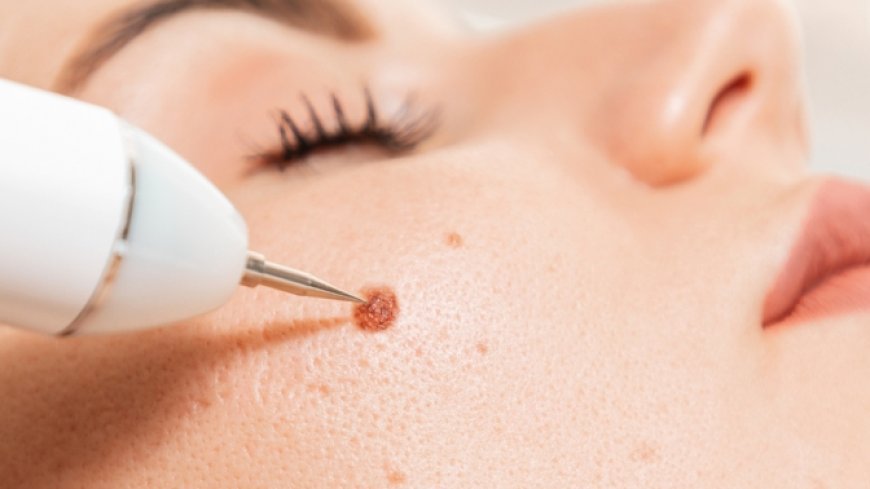
A wart on the face can be particularly frustrating because it is difficult to hide and may affect a person's confidence. Even a small skin growth around the forehead, cheeks, nose, or chin can become noticeable during everyday interactions. Facial skin is also more delicate than skin on many other body areas, making careful treatment selection especially important.
People searching for warts removal in Islamabad often want a solution that addresses unwanted growths without causing unnecessary damage to surrounding skin. Understanding the causes, treatment options, and aftercare requirements can help you make a more informed decision. Enfield Royal Clinic in Islamabad is a place to discuss skin concerns and explore suitable options following professional assessment.
Why Do Warts Develop on the Face?
Warts are generally caused by certain strains of the human papillomavirus (HPV). The virus can enter the outer layer of the skin through small cuts, scratches, or damaged areas. Once the skin becomes infected, affected cells may develop into small growths.
Facial warts can appear in different forms. Some are flat and smooth, while others have a narrow, elongated shape. They may develop individually or appear in small groups.
Shaving, scratching, and repeatedly touching affected skin can irritate the area and may contribute to spreading the virus. However, not every facial bump is a wart. Skin tags, acne-related bumps, moles, and other conditions can sometimes look similar.
What Types of Warts Can Appear on the Face?
Identifying the type of growth is important because different skin conditions require different approaches.
Flat Warts
Flat warts are generally small, smooth, and slightly raised. They may appear in groups, particularly on the forehead, cheeks, and chin. Their colour can resemble the surrounding skin or appear slightly different.
Filiform Warts
Filiform warts have a narrow, finger-like appearance. They may develop around the nose, mouth, eyelids, and neck. Because these areas are sensitive, treatment requires particular care.
Common Warts
Common warts usually have a rougher surface and may occasionally develop around the facial area. They are more frequently found on the hands and fingers.
A professional examination can help distinguish these growths from other skin conditions before treatment begins.
Why Does Facial Wart Removal Require Extra Care?
Facial skin is exposed to sunlight, skincare products, shaving, and environmental irritation. It can also be more sensitive to certain procedures and topical treatments.
Using an unsuitable removal product may lead to redness, irritation, burns, or scarring. Cutting or scratching a facial growth at home can also damage the surrounding skin and increase the risk of infection.
The area around the eyes and lips requires additional caution. Strong acids and over-the-counter wart removal products should not be applied to these sensitive areas unless specifically advised by a qualified healthcare professional.
When considering warts removal in Islamabad, choosing an appropriate treatment based on the growth's exact location is an important part of protecting facial skin.
Which Treatments May Be Suitable for Facial Warts?
There is no single treatment that works for every facial wart. The recommended approach depends on the type of growth, its size, location, and the individual's skin condition.
Cryotherapy
Cryotherapy uses controlled freezing to treat selected warts. It may cause temporary redness, swelling, blistering, or changes in skin colour. Because facial skin can be sensitive, careful assessment is necessary before using this method.
Electrocautery
Electrocautery uses controlled electrical energy to remove certain skin growths. It may be considered for selected cases, depending on the location and characteristics of the wart.
Laser Treatment
Laser treatment may be considered for particular persistent or difficult-to-treat growths. The professional must assess whether it is suitable and discuss possible side effects, including changes in pigmentation or scarring.
Topical Treatments
Certain topical medicines may be recommended for appropriate wart types. However, products containing strong ingredients should not be used on facial skin without medical guidance.
At Enfield Royal Clinic in Islamabad, individuals interested in warts removal in Islamabad can discuss their skin concerns and ask about treatment options that may be suitable after examination.
Can Facial Warts Leave Marks After Removal?
Skin reactions vary according to the treatment method, the depth of the growth, and individual healing characteristics. Some people experience temporary redness or changes in skin colour after treatment.
In certain cases, procedures may leave a small scar or an area of lighter or darker pigmentation. This possibility should be discussed before treatment, particularly when the wart is located on a highly visible area.
Following aftercare instructions can support proper healing. Avoid scratching, picking, or applying irritating skincare products to the treated area.
Sun protection is also important during recovery. A suitable sunscreen may help reduce the risk of post-inflammatory pigmentation when the skin has healed sufficiently and the treating professional advises its use.
How Can You Avoid Irritating Facial Warts?
A few simple precautions can help protect the affected area:
-
Avoid scratching or picking the growth.
-
Do not attempt to cut or burn it at home.
-
Avoid shaving directly over the affected area when possible.
-
Do not share razors, towels, or personal grooming tools.
-
Keep the surrounding skin clean.
-
Avoid applying strong acids or unverified removal products.
-
Seek professional advice if the growth changes, bleeds, or becomes painful.
These habits can reduce unnecessary irritation and help protect surrounding skin.
Can Facial Warts Return After Treatment?
Yes. Wart removal does not always eliminate HPV from nearby skin cells. A new growth may sometimes develop in the treated area or elsewhere.
Recurrence can depend on the type of wart, the immune response, and the treatment method. Some growths also require multiple sessions before they disappear.
If a growth returns, it is better to have it examined instead of immediately repeating a previous treatment. A professional can determine whether it is a recurring wart or a different skin condition.
Why Consider Enfield Royal Clinic in Islamabad?
Choosing a suitable clinic for facial wart concerns involves more than finding a removal procedure. Proper identification, careful treatment selection, and appropriate aftercare are all important.
Enfield Royal Clinic in Islamabad can be considered by individuals who want to discuss unwanted facial growths and explore possible treatment approaches. Before proceeding, ask about the recommended method, expected recovery, potential pigmentation changes, and the possibility of recurrence.
Make an Informed Decision About Facial Wart Removal
Facial warts can affect appearance and confidence, but attempting to remove them without proper guidance may create additional skin problems. Since facial skin is sensitive, the treatment should be selected according to the type and location of the growth.
What's Your Reaction?
 Like
0
 Dislike
0
 Love
0
 Funny
0
 Angry
0
 Sad
0
 Wow
0