Moving to a new home is something many people look forward to, but at the same time, it can feel overwhelming if not handled properly. The idea of packing everything, organizing logistics, and managing time can easily create stress.
However, when someone approaches the process with a clear plan and the right mindset, moving day can actually become smooth and manageable.
The key is not doing everything at once, but breaking it down into simple, actionable steps that make the entire journey easier.
When explained properly, it becomes clear that stress-free moving is not about luck—it’s about preparation and smart decisions.
Understanding the Real Reasons Behind Moving Stress
Before solving the problem, it helps to understand why moving feels stressful in the first place. Research shows that nearly 45% of people rank moving among the top stressful life events, alongside job changes and financial challenges. That stress usually comes from poor planning, time pressure, and uncertainty.
When someone doesn’t have a structured approach, even small tasks start to feel overwhelming. For example, packing without sorting or booking movers at the last minute can quickly turn into chaos. This is why having a clear moving plan is essential.
Common Mistakes That Increase Stress
Many people unknowingly make mistakes that complicate their move. Starting too late is one of the biggest issues, as it creates unnecessary pressure in the final days.
Another common problem is poor labeling, which makes unpacking frustrating and time-consuming. People also tend to underestimate how long packing actually takes, which leads to rushed decisions.
Why Planning Reduces Stress by Over 60%
Studies suggest that people who plan their move at least 6 weeks in advance experience up to 60% less stress. Planning gives clarity, control, and enough time to handle unexpected issues without panic.
Start Early and Build a Clear Timeline
One of the smartest ways to avoid stress is to start early. Ideally, someone should begin preparing 6–8 weeks before moving day. This allows enough time to organize tasks without rushing.
Instead of handling everything at once, tasks should be divided into manageable stages. In the beginning, the focus should be on organizing belongings and removing unnecessary items. As the moving date gets closer, attention can shift toward packing and confirming logistics.
Suggested Weekly Moving Plan
A structured timeline makes the process predictable. Early weeks should be used for decluttering and organizing, while the middle phase is ideal for packing items that are not used daily. The final week should be reserved for essentials and last confirmations.
Importance of Organized Planning Tools
Using a guide like a complete moving checklist helps ensure that no important task is forgotten. It acts as a roadmap, keeping everything aligned and reducing the chances of last-minute surprises.
Decluttering: The Step Most People Ignore
Before packing begins, it is important to reduce unnecessary items. Studies show that an average household has 20–30% items they no longer use, which adds extra work during a move.
Decluttering simplifies the entire process. When fewer items are involved, packing becomes faster, transportation becomes cheaper, and unpacking becomes easier.
How to Declutter Efficiently
A practical approach is to evaluate items based on usage and value. If something hasn’t been used in a long time, it is often better to let it go. Items in good condition can be donated, while others can be discarded or sold.
Financial and Mental Benefits
Reducing clutter not only lowers moving costs but also creates a sense of relief. People often feel lighter and more in control when they move with only what they truly need.
Smart Packing Strategies for Efficiency
Packing is one of the most time-consuming parts of moving, but with the right strategy, it becomes much easier to manage. Instead of random packing, a structured approach saves time and effort.
Room-by-Room Packing Method
Experts recommend packing one room at a time because it improves organization and reduces confusion later. This method can increase efficiency by nearly 40%, as everything stays categorized.
Labeling plays a crucial role here. Writing both the room name and contents on each box makes unpacking significantly easier.
Essentials Box: A Must-Have
An essentials box should be prepared separately. This box includes items needed immediately after the move, such as daily necessities and important belongings.
Having quick access to these items prevents unnecessary stress during the first day in the new home.
Choosing the Right Packing Materials
Using proper packing supplies is critical for protecting belongings. Research shows that high-quality materials can reduce damage risk by up to 70%.
Importance of Quality Supplies
Strong boxes, protective wrapping, and secure sealing ensure that items remain safe during transit. Poor-quality materials often lead to breakage, which adds frustration and extra cost.
Avoiding Common Packing Mistakes
One common mistake is overfilling boxes. Heavy boxes are harder to carry and more likely to break. Keeping boxes balanced and manageable ensures both safety and efficiency.
Hiring Professional Movers the Smart Way
For many people, hiring movers is a practical decision that can significantly reduce workload. However, choosing the right service requires careful consideration.
What to Look for in a Moving Company
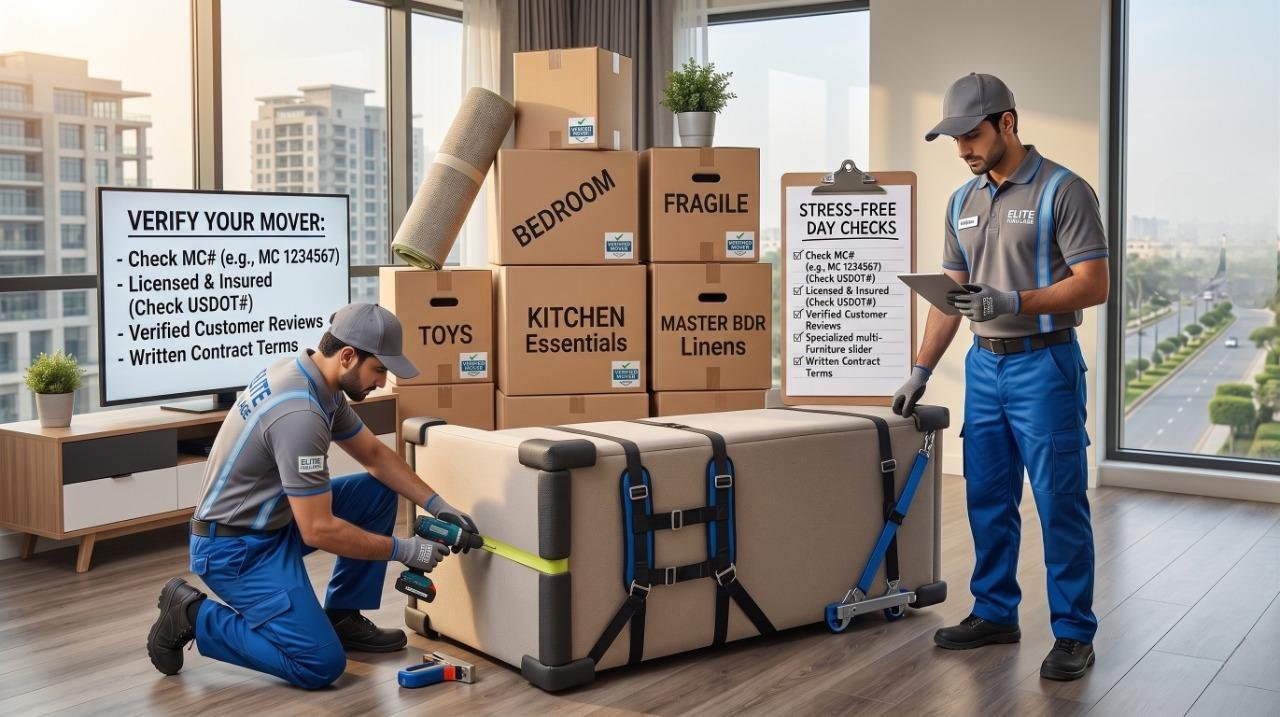
Reliable movers should have good customer reviews, transparent pricing, and proper licensing. These factors help ensure that the service is trustworthy and professional.
Simplifying the Search Process
Platforms like My Good Movers make it easier to compare different moving companies in one place. This helps people find reliable services without spending excessive time on research.
Confirming Details Before Moving Day
Uncertainty is one of the biggest causes of stress during a move. Confirming all important details ahead of time ensures that everything runs smoothly.
What Needs Attention
It is important to double-check the moving schedule, addresses, and any special arrangements. Clear communication with movers helps prevent confusion.
Timing Matters
Confirming details at least 48 to 72 hours before moving day reduces the chances of unexpected issues.
Managing Utilities and Address Changes
Handling utilities and address updates is an essential part of moving that should not be overlooked.
Key Updates to Complete
Arranging utility transfers and updating personal records ensures a smooth transition. Without this step, people may face unnecessary inconvenience after moving.
Avoiding Service Delays
Reports show that around 25% of movers face delays due to utility issues, which can easily be avoided with early planning.
Keeping Important Documents Safe
Important documents should always be handled carefully during a move.
What to Keep Separate
Documents such as identification, financial records, and contracts should not be packed with regular items.
Best Practice
Keeping these documents in a personal folder ensures they remain safe and accessible at all times.
Preparing for Moving Day Like a Pro
Moving day should feel organized rather than chaotic. Proper preparation makes a significant difference.
Staying Organized on the Day
Starting early and maintaining a clear plan helps keep everything on track. Small preparations like having water, snacks, and comfortable clothing can improve the overall experience.
Physical Demands of Moving
Moving can be physically demanding, with activities burning up to 400–600 calories per hour, which highlights the importance of staying energized.
Managing Emotional Stress During the Move
Moving is not only a physical process but also an emotional one. Around one in three people experience emotional stress during relocation.
Staying Mentally Balanced
Taking breaks and focusing on the positive aspects of the move can help reduce emotional pressure.
Importance of Perspective
Seeing the move as a fresh start rather than a burden makes the experience more positive.
Always Have a Backup Plan
Even with proper planning, unexpected situations can arise. Having a backup plan ensures readiness.
Preparing for the Unexpected
Keeping extra supplies and allowing extra time helps manage unforeseen challenges.
Impact on Stress Levels
Studies show that having contingency plans can reduce stress by nearly 50%.
Unpacking Without Feeling Overwhelmed
Unpacking should be approached gradually rather than rushed.
Smart Approach to Settling In
Focusing on essential areas first allows for a smoother transition into the new home.
Long-Term Benefits
Taking time to unpack properly leads to better organization and comfort.
Final Thoughts: Turning Moving into a Smooth Experience
When someone looks at moving as a whole, it may seem overwhelming. But when broken down into structured steps, it becomes manageable and even rewarding.
The key lies in early planning, smart packing, and staying organized throughout the process.
Using the right strategies, maintaining a calm mindset, and relying on helpful tools can transform moving day into a smooth experience.
Stress does not come from moving itself—it comes from lack of preparation. Once that is handled properly, everything else falls into place naturally.


 Arabic
 French
 Spanish
 Portuguese
 Deutsch
 Turkish
 Dutch
Dutch
 Italiano
 Russian
 Romaian
 Portuguese (Brazil)
 Greek
Greek