
Training Insights for Building a Trusted Care Brand
Introduction
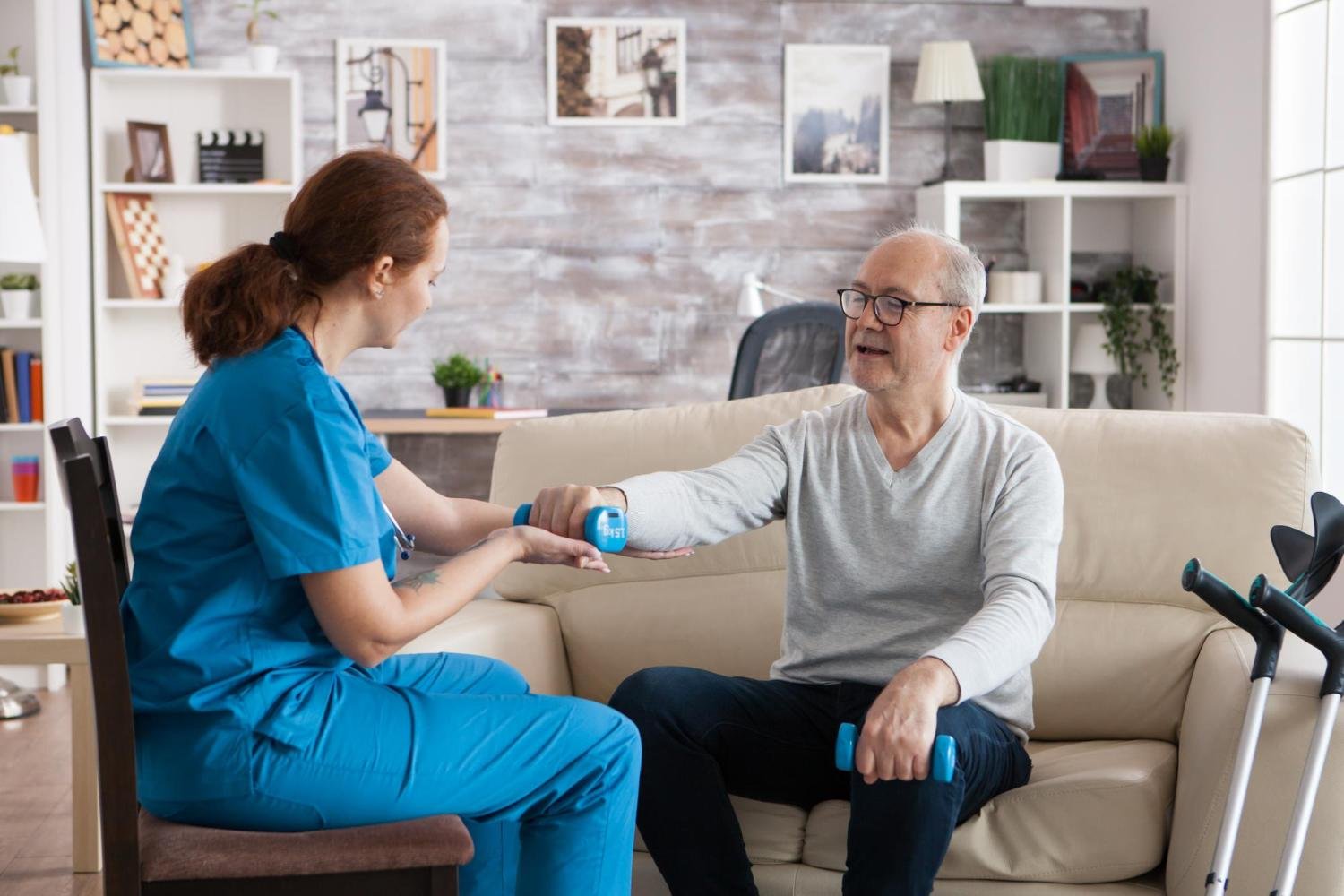
Building a trusted care brand requires more than offering basic services. In today’s competitive healthcare and caregiving industry, clients and families look for organizations that demonstrate compassion, professionalism, reliability, and consistent quality. Whether a company provides elderly care, disability support, in-home assistance, or specialized healthcare services, trust becomes the foundation of long-term success. Training plays a major role in shaping that trust because employees represent the heart of every care organization. Proper education, communication skills, operational standards, and ethical practices help create a positive reputation that clients remember and recommend to others.
A strong care brand is not built overnight. It develops through continuous improvement, customer satisfaction, and employee dedication. Organizations that invest in staff training often experience better service quality, improved client retention, and stronger community relationships. In a service-based industry where emotional support is as important as technical assistance, skilled caregivers help organizations stand out from competitors.
Understanding the Importance of Trust in Care Services
Trust is one of the most valuable assets in the care industry. Families place the well-being of their loved ones in the hands of caregivers, expecting professional and compassionate treatment at all times. A single negative experience can damage a company’s reputation, while consistent positive interactions strengthen client confidence.
Care brands that focus on trust-building prioritize transparency, accountability, and communication. Clients want clear information about services, pricing, caregiver qualifications, and safety procedures. Employees who receive proper training are more confident when interacting with clients and are better prepared to handle difficult situations professionally.
Training programs also help reduce errors and misunderstandings. When caregivers understand company standards and ethical expectations, they can deliver consistent service that reflects the brand’s mission and values. Over time, this consistency becomes a major factor in establishing credibility within the community.
The Role of Employee Training in Brand Development
Employees directly influence how clients perceive a care business. Their attitude, communication style, punctuality, and professionalism all contribute to the organization’s image. Comprehensive training programs ensure staff members understand both technical responsibilities and customer service expectations.
Training should include areas such as:
-
Communication and empathy skills
-
Safety and emergency procedures
-
Patient confidentiality and ethics
-
Time management and organization
-
Cultural sensitivity and inclusivity
-
Conflict resolution techniques
-
Personal care and hygiene standards
When caregivers receive proper instruction, they perform tasks more efficiently and confidently. This improves the client experience and strengthens the company’s reputation. Businesses that prioritize staff development often achieve higher employee satisfaction as well, leading to lower turnover rates and stronger team stability.
Investing in workforce education also demonstrates commitment to excellence. Clients appreciate organizations that continuously improve their service standards rather than relying on outdated methods.
Creating a Customer-Centered Culture
A trusted care brand always places clients at the center of its operations. Training programs should teach employees to understand individual client needs rather than applying a one-size-fits-all approach. Personalized care creates emotional connections and helps families feel valued and respected.
Customer-centered training encourages active listening and empathy. Caregivers learn how to identify emotional concerns, communicate respectfully, and respond to feedback professionally. These skills are especially important in caregiving because many clients experience physical limitations, emotional stress, or social isolation.
Organizations that focus on customer satisfaction often build stronger word-of-mouth referrals. Positive reviews and recommendations become powerful marketing tools that attract new clients without excessive advertising costs. A reputation for compassionate service can significantly increase business growth over time.
Leadership Training and Organizational Success
Strong leadership is essential for maintaining a trusted care brand. Managers and supervisors set the tone for workplace culture, employee behavior, and service quality. Leadership training helps management teams improve communication, decision-making, and problem-solving abilities.
Effective leaders motivate employees, address concerns quickly, and ensure operational standards are consistently maintained. They also play a key role in mentoring new caregivers and reinforcing company values.
A well-trained leadership team can identify weaknesses before they become serious problems. Regular staff evaluations, coaching sessions, and professional development opportunities contribute to continuous improvement. Organizations that encourage learning at every level often adapt more successfully to industry changes and client expectations.
For entrepreneurs exploring a home care franchise investment, leadership development becomes especially important because franchise success depends on maintaining brand consistency while managing daily operations effectively.
Building Brand Consistency Through Standardized Training
Consistency is one of the defining characteristics of a reliable care brand. Clients expect the same quality of service regardless of which caregiver visits their home or which staff member answers their questions. Standardized training ensures all employees follow the same procedures and understand the organization’s mission.
Clear operational guidelines reduce confusion and improve efficiency. Training manuals, workshops, online learning systems, and mentorship programs can help maintain consistent standards across the organization.
Consistency also strengthens brand recognition. When clients repeatedly experience dependable service, they begin associating the company name with trust and professionalism. Over time, this positive association helps businesses gain a competitive advantage in the care industry.
Standardized systems are particularly beneficial for organizations planning future expansion. As businesses grow, maintaining quality becomes more challenging, making structured training programs essential for long-term sustainability.
The Impact of Communication Skills on Client Relationships
Communication is one of the most important aspects of caregiving. Families want regular updates about their loved ones, while clients need reassurance, respect, and emotional support. Poor communication can create misunderstandings and reduce trust, even if technical care is satisfactory.
Training employees in effective communication improves both internal teamwork and client interactions. Caregivers should learn how to explain procedures clearly, listen attentively, and address concerns calmly. Nonverbal communication, including body language and tone of voice, also plays an important role in building comfort and confidence.
Organizations that encourage open communication often experience fewer complaints and stronger client relationships. Staff members who feel heard and supported by management are also more likely to provide positive service experiences.
Adapting to Industry Changes and Innovations
The care industry continues to evolve due to changing regulations, technology advancements, and shifting client expectations. Trusted brands remain competitive by investing in ongoing education and innovation.
Training programs should regularly update employees on new healthcare practices, digital tools, and safety protocols. Technology such as scheduling software, telehealth systems, and digital client records can improve efficiency and service delivery when staff members know how to use them effectively.
Continuous learning also demonstrates professionalism. Clients feel more confident when they know caregivers are informed about modern practices and committed to maintaining high standards.
Businesses that embrace innovation while preserving compassionate service often achieve stronger long-term growth. Flexibility and adaptability allow organizations to respond effectively to market demands and changing community needs.
Strengthening Reputation Through Ethical Practices
Ethics are central to building trust in the care industry. Clients expect honesty, confidentiality, and respectful treatment at all times. Ethical training helps employees understand professional boundaries, privacy laws, and responsible caregiving practices.
Care organizations should encourage accountability and transparency in all operations. Employees must feel comfortable reporting concerns or mistakes without fear of unfair punishment. This creates a culture of integrity and continuous improvement.
A strong ethical reputation protects businesses from legal issues and strengthens community confidence. Families are more likely to choose organizations known for professionalism and moral responsibility.
Conclusion
Building a trusted care brand requires dedication, consistency, and a strong commitment to employee development. Training serves as the foundation for delivering compassionate, reliable, and professional services that clients can depend on. From communication skills and leadership development to ethical practices and customer-centered care, every aspect of education contributes to long-term business success.
Organizations that prioritize continuous learning create stronger teams, better client experiences, and lasting reputations within their communities. In an industry built on human connection and emotional support, trust becomes the key factor that separates successful care brands from average competitors. By investing in quality training and maintaining high service standards, care businesses can achieve sustainable growth while making a meaningful difference in people’s lives.
- Business
- Technology
- Finance
- Health
- Fashion
- Lifestyle
- Travel
- Food
- Образование
- Real Estate
- Automobile
- Entertainment
- Sports
- Pets
- Home Decor
- Gardening
- Parenting
- Wedding
- Beauty
- Gaming
- Photography
- Music
- Кинозал
- News
- Politics
- Religion
- Astrology
- Law
- Insurance
- Jobs
- Freelancing
- Remote Work
- Blogging
- E-commerce
- Веб-адрес
- OpenCart
- Social Media
- Graphic Design
- Web Design
- Programming
- Mobile Apps
- Artificial Intelligence
- SaaS
- Cyber Security
- Cloud Computing
- Hosting
- SEO
- Content Writing
- Email Marketing
- Affiliate Marketing
- YouTube
- Podcasting
- Interior Design
- DIY
- Crafts
- Art
- Architecture
- Environment
- Agriculture
- Animals
- Fishing
- Hunting
- Survival
- Outdoor
- Fitness
- Yoga
- Meditation
- Mental Health
- Skin Care
- Hair Care
- Makeup
- Jewelry
- Sarees
- Salwar Kameez
- Lehenga Choli
- Kurtis
- Men Fashion
- Women Fashion
- Kids Fashion
- Footwear
- Bags
- Watches
- Luxury
- Shopping
- Coupons
- Electronics
- Smartphones
- Laptops
- Tablets
- Cameras
- Home Appliances
- Kitchen
- Furniture
- Cleaning
- Baby Care
- Senior Care
- Relationships
- Self Improvement
- Motivation
- Quotes
- Festivals
- Мероприятия
- Careers
- Remote Work
- Productivity
- Wholesale
- Manufacturing
- Import Export
- Logistics
- Supply Chain
- Human Resources
- Customer Service
 Russian
 English
 Arabic
 French
 Spanish
 Portuguese
 Deutsch
 Turkish
 Dutch
Dutch
 Italiano
 Romaian
 Portuguese (Brazil)
 Greek
Greek