1. What Is Liver Fibrosis?
Liver fibrosis is a condition in which excessive scar tissue develops in the liver due to repeated injury or inflammation. The liver has an incredible ability to heal itself, but when damage occurs continuously, scar tissue gradually replaces healthy liver tissue.
Common causes include:
- Chronic hepatitis infections
- Fatty liver disease
- Excessive alcohol consumption
- Autoimmune liver disorders
- Certain genetic diseases
Over time, severe fibrosis can progress to cirrhosis, which significantly affects liver function.
2. Understanding Iron Deficiency
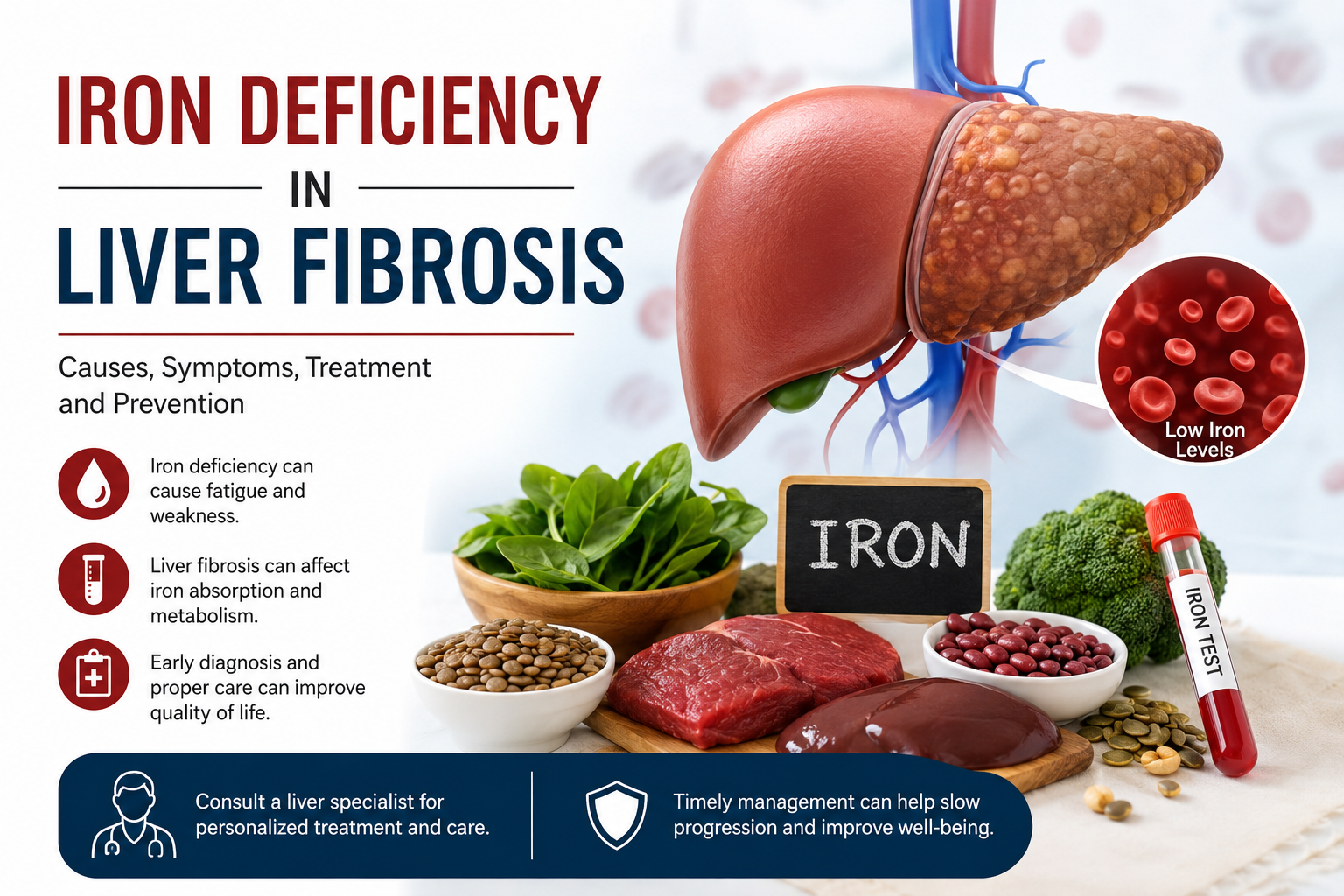
Iron is a vital mineral that helps produce hemoglobin, a protein in red blood cells that carries oxygen throughout the body.
When your body doesn't have enough iron, it struggles to make healthy red blood cells. This can lead to iron deficiency anemia, a condition where tissues and organs receive less oxygen than they need.
Iron deficiency can develop gradually, making it difficult to recognize in its early stages.
3. How the Liver Controls Iron Metabolism
Many people associate iron with blood, but the liver plays a crucial role in iron regulation.
The liver:
- Stores iron reserves
- Produces proteins involved in iron transport
- Regulates iron absorption through a hormone called hepcidin
- Maintains iron balance in the body
Think of the liver as the body's iron manager. When the manager isn't functioning properly, the entire iron supply system can become disrupted.
4. Why Iron Deficiency Occurs in Liver Fibrosis
Several factors contribute to iron deficiency in people with liver fibrosis.
Reduced Iron Absorption
Chronic liver disease can affect digestion and nutrient absorption. As a result, the body may absorb less iron from food.
Gastrointestinal Bleeding
Advanced liver disease may cause enlarged veins in the digestive tract. These veins can bleed, leading to chronic blood loss and iron depletion.
Poor Nutrition
Many patients with liver fibrosis experience reduced appetite, nausea, or dietary restrictions, which can limit iron intake.
Inflammation
Persistent inflammation associated with liver disease can interfere with the body's ability to utilize iron effectively.
Frequent Medical Procedures
Some patients undergo repeated blood testing or treatments that may contribute to lower iron stores over time.
5. Common Symptoms of Iron Deficiency
Iron deficiency symptoms can range from mild to severe.
Physical Symptoms
- Constant fatigue
- Weakness
- Shortness of breath
- Dizziness
- Pale skin
- Headaches
Mental Symptoms
- Difficulty concentrating
- Poor memory
- Irritability
- Reduced productivity
Advanced Symptoms
- Rapid heartbeat
- Chest discomfort
- Increased susceptibility to infections
Because liver fibrosis itself can cause fatigue, iron deficiency may sometimes go unnoticed.
6. Risk Factors for Iron Deficiency in Liver Fibrosis
Certain individuals face a higher risk of developing iron deficiency.
People with Advanced Fibrosis
The more severe the liver damage, the greater the risk of nutritional deficiencies.
Women
Women who experience menstrual blood loss may be more vulnerable.
Older Adults
Aging can affect both nutrient absorption and dietary intake.
Patients with Gastrointestinal Bleeding
Even small amounts of ongoing blood loss can eventually deplete iron stores.
Individuals with Poor Diets
Insufficient intake of iron-rich foods increases the likelihood of deficiency.
7. How Doctors Diagnose Iron Deficiency
Accurate diagnosis requires laboratory testing.
Blood Tests Commonly Used
Complete Blood Count (CBC)
Measures red blood cell levels and hemoglobin.
Serum Ferritin
Evaluates iron storage levels.
Transferrin Saturation
Measures how much iron is available in the bloodstream.
Serum Iron Test
Determines the amount of circulating iron.
Doctors often evaluate these tests together because liver disease can sometimes affect the interpretation of iron-related results.
8. The Impact of Iron Deficiency on Overall Health
Iron deficiency doesn't just cause tiredness.
Reduced Energy Levels
People often feel exhausted even after adequate rest.
Impaired Immune Function
The body's ability to fight infections may decline.
Poor Physical Performance
Daily activities may become more challenging.
Lower Quality of Life
Persistent fatigue can affect work, family life, and emotional well-being.
For individuals already managing liver fibrosis, these effects can significantly worsen overall health.
9. Treatment Options for Iron Deficiency
Treatment depends on the underlying cause and severity.
Addressing Blood Loss
If gastrointestinal bleeding is present, doctors focus on controlling the source.
Correcting Nutritional Deficiencies
Dietary improvements can help restore iron levels.
Medical Management
Healthcare providers may prescribe iron supplementation when necessary.
Regular monitoring is important to ensure treatment effectiveness and avoid complications.
10. Dietary Tips to Improve Iron Levels
Food remains one of the best ways to support healthy iron levels.
Iron-Rich Foods
Include:
- Lean red meat
- Chicken
- Fish
- Eggs
- Lentils
- Beans
- Spinach
- Tofu
Vitamin C Helps Absorption
Pair iron-rich foods with:
- Oranges
- Lemons
- Kiwi
- Strawberries
- Bell peppers
Avoid Absorption Blockers During Meals
Limit these around iron-rich meals:
- Tea
- Coffee
- Excess calcium supplements
A balanced diet can make a meaningful difference in maintaining healthy iron stores.
11. Iron Supplements: Benefits and Precautions
Iron supplements are commonly prescribed when dietary changes alone are insufficient.
Benefits
- Improve energy levels
- Increase hemoglobin production
- Correct anemia
- Enhance quality of life
Possible Side Effects
- Constipation
- Nausea
- Stomach discomfort
- Dark stools
Patients with liver disease should only take iron supplements under medical supervision, as excessive iron can sometimes create additional health concerns.
12. When Liver Fibrosis Becomes Severe
If liver fibrosis progresses significantly, complications may develop.
These include:
- Portal hypertension
- Fluid accumulation in the abdomen
- Internal bleeding
- Confusion due to toxin buildup
- Liver failure
At this stage, managing both liver health and nutritional status becomes increasingly important.
13. The Role of Liver Transplantation
For patients with end-stage liver disease, liver transplantation may become the most effective treatment option.
A successful liver transplant can:
- Restore normal liver function
- Improve nutritional status
- Enhance iron regulation
- Increase life expectancy
Choosing an experienced specialist is critical. Many patients seek guidance from the best liver transplant surgeon in india to evaluate treatment options and determine whether transplantation is appropriate.
India has become a leading destination for advanced liver transplant procedures due to its skilled surgeons, modern hospitals, and comprehensive patient care.
14. Prevention Strategies
Preventing iron deficiency is often easier than treating it.
Regular Medical Checkups
Routine monitoring helps identify problems early.
Balanced Nutrition
Focus on a nutrient-rich diet that includes adequate iron.
Managing Liver Disease
Following treatment plans can slow fibrosis progression.
Monitoring for Bleeding
Report unusual symptoms such as black stools or vomiting blood immediately.
Avoid Self-Medication
Never start iron supplements without consulting a healthcare professional.
15. Living Well with Liver Fibrosis and Iron Deficiency
A diagnosis of liver fibrosis does not mean you cannot live a fulfilling life.
Many people successfully manage their condition through:
- Regular medical care
- Healthy eating habits
- Physical activity
- Medication adherence
- Routine blood testing
Think of your health as a garden. The liver is the soil, and iron is one of the nutrients that helps everything grow properly. When both are cared for, the entire system functions more effectively.
By understanding the connection between liver fibrosis and iron deficiency, patients can take proactive steps to improve their well-being and reduce future complications.
Conclusion
Iron deficiency is a common but frequently overlooked issue in people with liver fibrosis. Because the liver plays a central role in iron regulation, chronic liver damage can disrupt iron metabolism, leading to fatigue, weakness, and anemia. Early diagnosis and appropriate treatment can significantly improve quality of life and overall health outcomes.
Maintaining a healthy diet, attending regular medical checkups, and managing liver disease effectively are essential steps toward preventing iron deficiency. For patients with advanced liver disease, consulting the best liver transplant surgeon in india may help determine whether liver transplantation is a suitable option for long-term recovery and improved health.
FAQs
1. Can liver fibrosis cause iron deficiency?
Yes. Liver fibrosis can interfere with iron metabolism, nutrient absorption, and may increase the risk of blood loss, all of which can contribute to iron deficiency.
2. What are the main symptoms of iron deficiency in liver fibrosis?
Common symptoms include fatigue, weakness, dizziness, pale skin, shortness of breath, and difficulty concentrating.
3. Is iron supplementation safe for people with liver disease?
Iron supplements can be helpful, but they should only be taken under medical supervision because excessive iron may cause complications in certain liver conditions.
4. Which foods are best for increasing iron levels?
Iron-rich foods include lean meats, fish, eggs, beans, lentils, spinach, and fortified cereals. Consuming vitamin C-rich foods can improve iron absorption.
5. When should a patient with liver fibrosis consider liver transplantation?
Liver transplantation may be considered when liver fibrosis progresses to advanced cirrhosis or liver failure and other treatments are no longer effective. Consulting the best liver transplant surgeon in india can help determine the most appropriate treatment plan.

 English
 Arabic
 French
 Spanish
 Portuguese
 Deutsch
 Turkish
 Dutch
Dutch
 Italiano
 Russian
 Romaian
 Portuguese (Brazil)
 Greek
Greek