
























Boiler Installation in Richmond Upon Thames | A Practical Homeowner Guide
Learn what to consider before a Boiler Installation in Richmond Upon Thames, including system choice, boiler location, controls, hot-water demand and installation costs.

A new boiler can change how comfortable a home feels, but choosing one is not simply about finding a suitable price and booking an installation. For homeowners in Richmond Upon Thames, the property's existing layout, heating arrangement and daily routine all have a bearing on how a new system should be planned.
Some households may be replacing an appliance that has reached the end of its useful service life. Others may be renovating a property or changing the way their home is used. In either situation, Boiler Installation in Richmond Upon Thames should start with understanding what the property needs rather than choosing an appliance first.
What Should Happen Before the Installation?
A good installation starts with a proper look at the existing setup.
The installer needs to understand where the current boiler is positioned, how the heating system is connected and what kind of controls are already being used. Pipework, access, flue arrangements and the available working space may all affect the project.
This stage is often where homeowners discover that two properties with apparently similar heating needs can require completely different installation approaches.
A homeowner may expect a direct replacement, while the installer may identify a need to adjust connections or reconsider the boiler's position.
Getting these details clear beforehand can make the rest of the installation much easier to manage.
How Do Richmond Upon Thames Homeowners Choose the Right System?
The household's routine should be part of the conversation.
A boiler needs to provide enough heating for the property, but hot-water use can also have a major influence on the system choice.
Consider a home with several people who all need hot water during the morning. That requirement can be very different from a smaller household where demand is spread throughout the day.
The number of bathrooms, regular occupants and typical hot-water habits all provide useful context.
An experienced heating installer should be able to explain why a particular system has been recommended for the property. Homeowners should be able to ask what the recommendation is based on rather than simply accepting a model because it is familiar or widely advertised.
Does the Shape and Layout of the Home Matter?
It can.
Richmond Upon Thames contains a mix of properties, so there is no single installation arrangement that works for every home.
The boiler may be positioned in a kitchen, utility area, cupboard or another part of the property. The available space around it can influence both the installation and future accessibility.
A compact location may look attractive, but the appliance still needs suitable access for future maintenance.
Homeowners should therefore think about more than how the boiler looks on installation day. The position should also make sense several years later when the appliance needs servicing or attention.
What If the Boiler Needs to Be Moved?
Some homeowners choose to relocate the boiler during replacement, particularly when changing the layout of a kitchen or utility area.
This can be possible, but relocation can involve more than moving the appliance itself.
Pipe routes may need to change, connections may need extending and the flue arrangement may have to be reconsidered. The amount of additional work depends on the existing system and the proposed new position.
A homeowner should therefore ask for the practical consequences before agreeing to relocation.
It is useful to understand where the new pipework will run, whether any visible sections will change and whether moving the boiler will affect the overall installation cost.
What Happens to the Existing System?
Installing a new boiler does not automatically mean replacing every part of the heating system.
The existing radiators, pipework and controls may still be suitable, depending on their condition and compatibility with the new setup.
An installer should assess the system as a whole and identify which components can remain and which may need attention.
This can save homeowners from assuming that a complete heating replacement is necessary when only certain parts require modification.
It also helps explain why an installation quote can contain more than the boiler itself.
How Should Homeowners Think About Hot-Water Usage?
Many people focus on room heating first and hot water second.
In everyday life, however, hot-water demand can be one of the things that determines whether a new system feels convenient.
Think about the busiest part of the day.
Are several people using showers at the same time? Is there regular demand from multiple bathrooms? Does the household need hot water quickly in the morning?
These questions give the installer a better understanding of how the system needs to perform.
A system that suits the property on paper may still feel inconvenient if the household's real usage has not been considered during planning.
What Is Installation Day Like?
For the homeowner, the biggest concern is usually disruption.
The heating and hot water may need to be unavailable while the existing boiler is removed and the replacement is installed.
The amount of interruption can vary depending on the complexity of the project.
A straightforward replacement may involve relatively little alteration, while relocation or additional system work can make the installation more involved.
Homeowners can prepare by clearing access around the boiler and removing items from nearby cupboards or shelves.
It is also sensible to plan for the temporary loss of heating and hot water rather than assuming the household will have uninterrupted use throughout the installation.
Should You Change the Heating Controls?
A boiler replacement can be a good opportunity to review the controls, especially when the existing setup is old or inconvenient.
The right option depends on how the household uses the heating.
Some people prefer simple controls with only a few settings. Others may want flexible programming because their working hours vary or they spend more time at home.
Smart controls can provide additional flexibility, but features alone should not determine the choice.
A homeowner should understand how the controls will work in practical situations such as adjusting the temperature, changing the schedule or overriding the programmed settings.
The installer should demonstrate the system before leaving.
What Should Be Included in the Installation Price?
A quotation should be detailed enough for the homeowner to understand what has actually been agreed.
The appliance price is only one part of the overall job.
Check whether the quotation includes removal of the existing boiler, new controls, expected pipework changes and other identified installation requirements.
It is also worth asking how unexpected issues will be handled.
For example, if the installer discovers a problem behind the old appliance that was not visible during the initial assessment, the homeowner should know how additional work will be discussed and priced.
A clear quotation reduces uncertainty and makes different options easier to compare.
What Happens After the New Boiler Is Fitted?
The handover is an important part of the job.
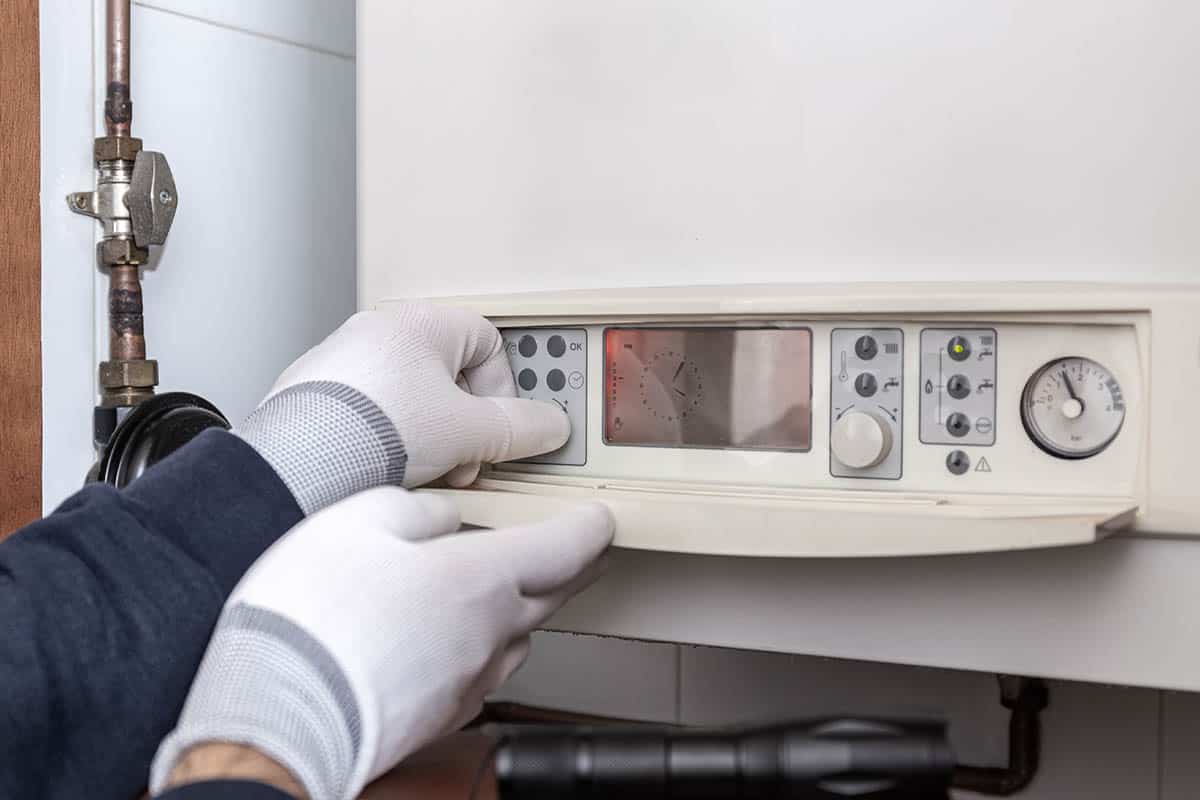
A new boiler may use different controls or display information from the previous appliance, so homeowners should not be expected to work everything out themselves.
The installer should explain the basic settings and show the homeowner how to use the heating controls.
This is also the right time to ask about anything unfamiliar.
Where is the main control?
How do I adjust the temperature?
How do I change the schedule?
What does the display normally show?
Having these questions answered before the installer leaves can make the first few days with the new system much easier.
What Do Homeowners Usually Value Most?
The technical side of an installation is essential, but the homeowner experience is also shaped by communication.
People generally want to understand what is happening before work begins and be informed if something changes during the installation.
Care inside the property matters too.
Protecting nearby surfaces, keeping the work area organised and leaving the space tidy can make a noticeable difference.
An installation can involve equipment, tools and temporary disruption, but good organisation keeps those inconveniences manageable.
Common Questions Richmond Upon Thames Homeowners Ask
Can a boiler be moved during installation?
It may be possible, but the new location needs to be assessed for access, pipework, connections and flue requirements.
Does household size affect boiler choice?
It can. The number of occupants and the property's hot-water demand are important considerations when deciding on a suitable system.
Do existing radiators have to be replaced?
Not necessarily. Their condition and compatibility should be assessed before deciding whether replacement is needed.
Should I upgrade the heating controls?
That depends on the household's routine and the existing setup. New controls can be useful when they solve a practical problem rather than simply adding features.
What should I ask before approving an installation?
Ask which boiler and controls are included, what work will be carried out, whether the old appliance will be removed, whether pipework changes are expected and how unexpected additional work will be handled.
Planning a Boiler Installation in Richmond Upon Thames becomes much easier when the homeowner considers the whole property rather than focusing only on the boiler model.
The existing system, available space, hot-water habits, installation position and heating controls can all influence the final result.
For a Richmond Upon Thames homeowner, the best installation experience is one where the plan is explained clearly before work starts, the property is treated carefully during the installation and the finished system is properly demonstrated afterwards.
What's Your Reaction?
 Like
0
Like
0
 Dislike
0
Dislike
0
 Love
0
Love
0
 Funny
0
Funny
0
 Angry
0
Angry
0
 Sad
0
Sad
0
 Wow
0
Wow
0