



















Breast Augmentation Dubai: What Factors Influence the Choice Between Different Implant Types?
Discover the key factors influencing implant choice for Breast Augmentation Dubai, including body proportions, implant size, shape, material, and desired results.
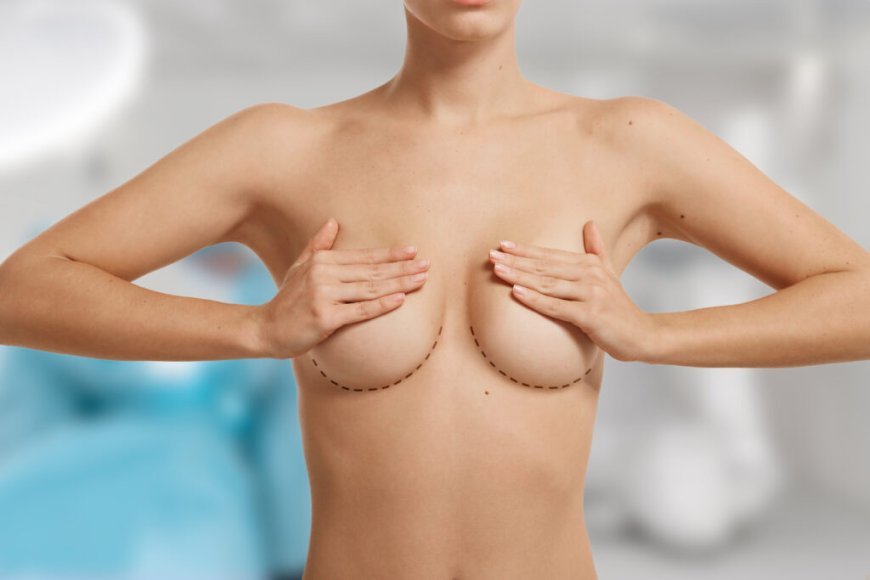
Breast augmentation is a personalised cosmetic procedure designed to enhance breast volume, improve proportions, and help individuals achieve their preferred appearance. One of the most important decisions during the treatment planning process is selecting the appropriate breast implant. With different implant materials, shapes, sizes, and profiles available, the right option depends on individual anatomy, aesthetic preferences, lifestyle, and long-term expectations.
For anyone considering Breast Augmentation Dubai, understanding the differences between implant types can make consultations more productive and help clarify which options may be suitable. Rather than choosing an implant based solely on appearance or size, it is important to consider how each option may complement the natural breast structure and overall body proportions.
At Cornerstone Clinic, the decision-making process should focus on individual needs, informed discussions, and realistic expectations. Understanding the main factors that influence implant selection provides a useful starting point for exploring the available options with a qualified surgeon.
Understanding the Main Types of Breast Implants
Breast implants differ in their filling material, outer shell, shape, and dimensions. Each characteristic influences how an implant feels, appears, and fits within the existing breast tissue.
Saline Implants
Saline implants contain sterile saltwater solution within a silicone outer shell. They are generally inserted empty and filled after placement, allowing the surgeon to adjust the volume during the procedure in suitable cases.
Some patients appreciate the flexibility that saline implants can offer during placement. However, their feel and appearance can differ from those of silicone gel implants, particularly when there is limited natural breast tissue covering the implant.
The suitability of saline implants depends on the patient's anatomy, desired outcome, and the options available through the treating clinic.
Silicone Gel Implants
Silicone gel implants contain a cohesive silicone-based filling designed to provide a breast-like feel. They are widely considered by patients seeking a soft, natural-looking appearance, although the result depends on the specific implant, its placement, and the individual's anatomy.
Different silicone implants have different levels of gel cohesiveness. Some are designed to maintain their shape more firmly, while others offer a softer feel. These characteristics can influence the final breast contour.
During a consultation, the surgeon can explain the differences between available silicone implant products and help determine whether a particular design suits the patient's goals.
Round Implants
Round implants have a circular base and are designed to provide fullness across the breast. Depending on their profile and placement, they may create more noticeable fullness in the upper portion of the breast.
They can be suitable for patients who prefer a fuller appearance, particularly when upper breast volume is an important aesthetic goal. However, the final result is influenced by natural tissue, implant dimensions, and surgical technique rather than shape alone.
Anatomical or Teardrop-Shaped Implants
Anatomical implants are designed with a shape that is fuller towards the lower portion and more tapered towards the upper portion. They may be considered when a patient prefers a particular breast contour.
Their suitability depends on the individual's breast shape, tissue characteristics, and desired outcome. A surgeon will also explain the specific considerations associated with maintaining the intended orientation of a shaped implant.
Neither round nor anatomical implants are automatically better. The appropriate choice depends on the patient's anatomy and aesthetic priorities.
How Natural Breast Anatomy Influences Implant Selection
Natural anatomy is one of the most important considerations when selecting a breast implant. Two people may request the same implant size but achieve different results because their existing breast tissue, chest dimensions, and skin characteristics differ.
Existing Breast Tissue
The amount of natural breast tissue affects how an implant is covered and how its edges may appear beneath the skin. Someone with limited breast tissue may need a different implant design or placement approach from someone with greater natural volume.
The surgeon assesses the thickness and distribution of the tissue to understand which options may create a balanced contour. This assessment also helps establish realistic expectations about the appearance and feel of the augmented breasts.
Chest Width and Breast Base
Chest width and the natural base of the breasts help determine the suitable implant dimensions. An implant that is too wide for the available breast base may not provide the intended proportions.
Instead of choosing an implant based exclusively on a cup-size goal, the surgeon considers its width, height, projection, and relationship to the chest wall. These measurements help guide the selection towards an option that complements the patient's natural frame.
Skin Elasticity and Breast Position
Skin elasticity influences how the breast tissues may accommodate an implant. Patients with firmer skin may have different planning considerations from those with looser skin or existing breast sagging.
The position of the nipple, the amount of lower breast tissue, and the overall breast shape are also assessed. In some circumstances, a patient may need to discuss whether augmentation alone is appropriate or whether another procedure would better address their concerns.
The objective is to choose an approach that works with the existing anatomy rather than relying on implant volume alone.
Implant Size and Profile: Finding the Right Proportions
Implant size is often one of the first subjects patients consider, but the largest available implant is not necessarily the most appropriate choice. The goal is to select dimensions that support the desired appearance while remaining compatible with the patient's anatomy.
Understanding Implant Volume
Implant volume is commonly measured in cubic centimetres (cc). Although volume provides a useful measurement, the same volume can look different on two individuals.
For example, an implant may create more visible projection on a narrower chest than on a wider chest. Existing tissue, skin characteristics, and implant placement also affect the final appearance.
Patients should therefore discuss their preferred proportions with the surgeon rather than relying entirely on a particular volume or cup-size estimate.
What Is Implant Profile?
An implant's profile describes how far it projects forward relative to its base width. Available profiles vary by manufacturer and implant range, so the terminology and measurements may differ.
A lower-profile implant may provide a broader base with less forward projection, while a higher-profile design may create more projection from a narrower base. Intermediate options offer different combinations of width and fullness.
The surgeon evaluates these dimensions alongside the patient's chest measurements and desired silhouette to determine which profiles are appropriate.
Balancing Personal Preferences and Practical Suitability
Some patients prefer a subtle enhancement that follows their natural proportions, while others want more noticeable fullness. Both preferences can be discussed during consultation.
Photographs, measurements, and examples of different breast shapes may help communicate aesthetic goals. However, reference images should be treated as discussion tools rather than guarantees, because individual anatomy influences the result.
A clear understanding of the desired outcome helps the surgeon recommend implant options that align with the patient's expectations and physical characteristics.
Implant Placement and Its Relationship to Implant Type
The position of the implant is another important element of treatment planning. Implant placement may be above or below the pectoral muscle, or involve a dual-plane approach in which different portions of the implant sit in relation to the muscle.
The appropriate technique depends on factors such as existing tissue coverage, chest anatomy, the implant selected, and the patient's goals.
Placement Above the Muscle
In this approach, the implant is positioned behind the breast tissue and in front of the pectoral muscle. It may be considered when the patient has sufficient natural tissue to provide suitable coverage.
The surgeon evaluates whether this placement is compatible with the desired contour and the patient's individual anatomy.
Placement Below the Muscle or Dual-Plane Placement
Submuscular placement positions the implant partly or fully beneath the pectoral muscle, depending on the technique. Dual-plane placement combines muscular coverage in the upper portion with a different relationship to the tissue in the lower portion.
These approaches may be considered when additional upper implant coverage or a particular breast contour is desired. The best option depends on the patient's anatomy and the surgeon's assessment.
Implant material and placement are separate decisions, but they need to be considered together to develop a coherent treatment plan.
Lifestyle, Activity Levels, and Personal Goals
Lifestyle can influence which implant characteristics and placement techniques are worth discussing. Patients should consider how their preferred breast appearance fits with their everyday activities and longer-term plans.
Exercise and Physical Activity
People who participate in strength training, swimming, running, or other regular activities may have specific questions about implant placement and recovery. Those who frequently train their chest muscles should discuss their exercise routines with the surgeon.
Activity levels do not automatically determine one implant type, but they may influence the wider treatment plan and recovery guidance.
Clothing Preferences and Everyday Comfort
Some patients want greater fullness in fitted clothing, while others prioritise subtle enhancement or proportions that suit a variety of outfits. These preferences can help clarify the desired shape and projection.
Patients should also discuss how the planned implant dimensions relate to their existing frame and comfort expectations. The intention is to find an appropriate balance between appearance, anatomy, and daily life.
Future Plans
Future pregnancy, changes in body weight, and the natural ageing process may affect breast appearance over time. These possibilities are worth discussing before choosing an implant.
No implant can prevent future changes in breast tissue or skin. Understanding this helps patients make decisions with a longer-term perspective rather than focusing only on the immediate postoperative appearance.
Implant Surface and Product Specifications
The implant's outer shell is another feature to discuss when comparing available products. Implants may have smooth or textured surfaces, depending on the manufacturer and model.
Smooth implants have a relatively smooth outer shell and are available in different shapes and profiles. Textured implants have a surface designed to create a different interaction with the surrounding tissue. Their suitability depends on the particular product, its approved indications, and current clinical guidance.
Patients should ask their surgeon which implant surfaces are available and appropriate for their circumstances. Product specifications, regulatory status, and manufacturer recommendations should be reviewed before a final decision is made.
The choice should not be based on a single feature in isolation. The shell, filling material, shape, dimensions, and placement all contribute to the overall treatment plan.
How Previous Breast Procedures Affect Implant Choice
A patient's surgical history can influence the options available for breast augmentation. Someone undergoing their first procedure may have different considerations from someone who has previously had breast surgery or already has implants.
Previous breast augmentation, breast reduction, or other procedures may affect tissue distribution, breast shape, and the available space for an implant. The surgeon may need to assess existing scars, changes in tissue, and the patient's current concerns before recommending a suitable approach.
Patients considering implant replacement may wish to change their breast size, improve symmetry, or address changes in their appearance over time. In these situations, the decision may involve more than simply selecting a different implant volume.
A detailed consultation helps establish what the patient hopes to achieve and whether the proposed implant type and surgical approach are appropriate.
What Influences Breast Augmentation Cost in Dubai?
Understanding the financial side of treatment is another important part of planning. Breast Augmentation cost in Dubai can vary according to the implant selected, the surgical technique, the complexity of the procedure, and the services included in the treatment package.
Implant Brand and Type
Different implant manufacturers offer products with varying designs, materials, and specifications. The brand, model, and type of implant chosen may influence the overall price.
Patients should ask which implant products are available and whether the quoted cost includes the selected implants, rather than assuming that all options are priced identically.
Surgical Planning and Technique
The procedure may require different approaches depending on the patient's anatomy, existing breast tissue, and desired result. Factors such as implant placement and whether additional treatment is recommended can affect the overall cost.
A personalised assessment is necessary before an accurate treatment plan and quotation can be established.
What Is Included in the Quotation?
When comparing prices, patients should clarify whether the quoted amount covers the surgeon's fee, anaesthesia, hospital or facility charges, implants, consultations, and follow-up appointments.
It is also helpful to understand the arrangements for postoperative reviews and any additional services that may be required. A clear breakdown allows patients to compare treatment options more meaningfully than looking at the headline price alone.
For anyone exploring Breast Augmentation Dubai, the most suitable option should be based on clinical assessment, personal goals, and a transparent discussion of costs.
Preparing for a Breast Augmentation Consultation at Cornerstone Clinic
A well-prepared consultation can help patients understand the available choices and make informed decisions. Before the appointment, consider the changes you would like to achieve and the aspects of your current breast shape that concern you most.
It may be helpful to prepare questions about implant materials, shapes, profiles, and placement. Patients can also discuss their preferred level of fullness, whether they want a subtle or more noticeable enhancement, and how they would like their proportions to look in everyday clothing.
During the assessment, the surgeon can evaluate breast measurements, skin characteristics, tissue coverage, and chest dimensions. Medical history, previous procedures, current medications, and future plans should also be discussed where relevant.
Patients should feel comfortable asking about the surgeon's experience, the implants being offered, the expected recovery process, and the long-term follow-up requirements. Reviewing manufacturer information and understanding the need for ongoing implant monitoring are important parts of informed decision-making.
The consultation should result in a personalised recommendation rather than a standard implant choice applied to every patient.
Conclusion
Choosing between different breast implant types involves several interconnected factors, including filling material, shape, size, profile, surface, and placement. Natural breast tissue, chest width, skin elasticity, lifestyle, previous procedures, and personal aesthetic goals all contribute to determining which options may be suitable.
There is no single implant type that is ideal for everyone. A successful treatment plan begins with understanding the patient's anatomy and expectations, followed by a detailed discussion of the available products and surgical approaches.
For individuals considering Breast Augmentation Dubai, a consultation at Cornerstone Clinic can provide an opportunity to explore these choices and understand how they relate to individual needs. By asking informed questions and considering both immediate preferences and longer-term expectations, patients can approach the decision with greater clarity and confidence.
Frequently Asked Questions
1. Which breast implant type is best for breast augmentation?
There is no universally best implant type. Saline and silicone gel implants have different characteristics, while shape, profile, and dimensions influence the final appearance. The appropriate choice depends on the patient's anatomy, preferences, and the surgeon's assessment.
2. What is the difference between saline and silicone breast implants?
Saline implants contain sterile saltwater solution inside a silicone shell, while silicone implants contain silicone gel. Silicone gel is often chosen for its breast-like feel, whereas saline implants offer different handling and filling characteristics. A surgeon can explain the advantages and limitations of the specific products available.
3. Are round implants better than teardrop-shaped implants?
Neither shape is automatically better. Round implants may provide more upper breast fullness, depending on their profile and placement. Anatomical implants are designed to create a more tapered contour. The most appropriate option depends on the patient's natural breast shape and desired appearance.
4. How do I choose the right breast implant size?
Implant size should be selected according to chest width, existing breast tissue, skin characteristics, and aesthetic preferences. Volume alone does not determine the final appearance, so measurements and a discussion with the surgeon are important.
5. Does implant placement affect the final breast appearance?
Yes. Placement above or below the pectoral muscle, including dual-plane techniques, can influence tissue coverage and breast contour. The surgeon recommends an approach based on anatomy, implant characteristics, and treatment goals.
6. How much does breast augmentation cost in Dubai?
The cost varies according to the implant type and brand, surgical technique, facility charges, and the services included in the treatment package. A personalised consultation and itemised quotation can help clarify the total cost.
7. How long do breast implants last?
Breast implants are not considered lifetime devices. Their lifespan varies, and some patients may require further surgery or replacement over time. Patients should discuss long-term monitoring and follow-up recommendations with their surgeon.
8. Can I choose my breast implant before the consultation?
You can research different implant types and identify your preferences before the appointment. However, the final selection should follow a clinical assessment to determine which options are suitable for your anatomy and goals.
9. What should I ask my surgeon before breast augmentation?
Ask about the available implant materials, brands, shapes, sizes, profiles, placement techniques, expected results, recovery, long-term monitoring, and total cost. You can also request information about the surgeon's experience and the follow-up care provided.
10. How can I prepare for breast augmentation at Cornerstone Clinic?
Prepare a list of your aesthetic goals and questions, and provide an accurate medical and surgical history. Discuss your lifestyle, previous breast procedures, and future plans so that the consultation can focus on your individual needs and appropriate treatment options.
What's Your Reaction?
 Like
0
 Dislike
0
 Love
0
 Funny
0
 Angry
0
 Sad
0
 Wow
0