










Choosing The Best Heavy Duty PP Rope For Agriculture

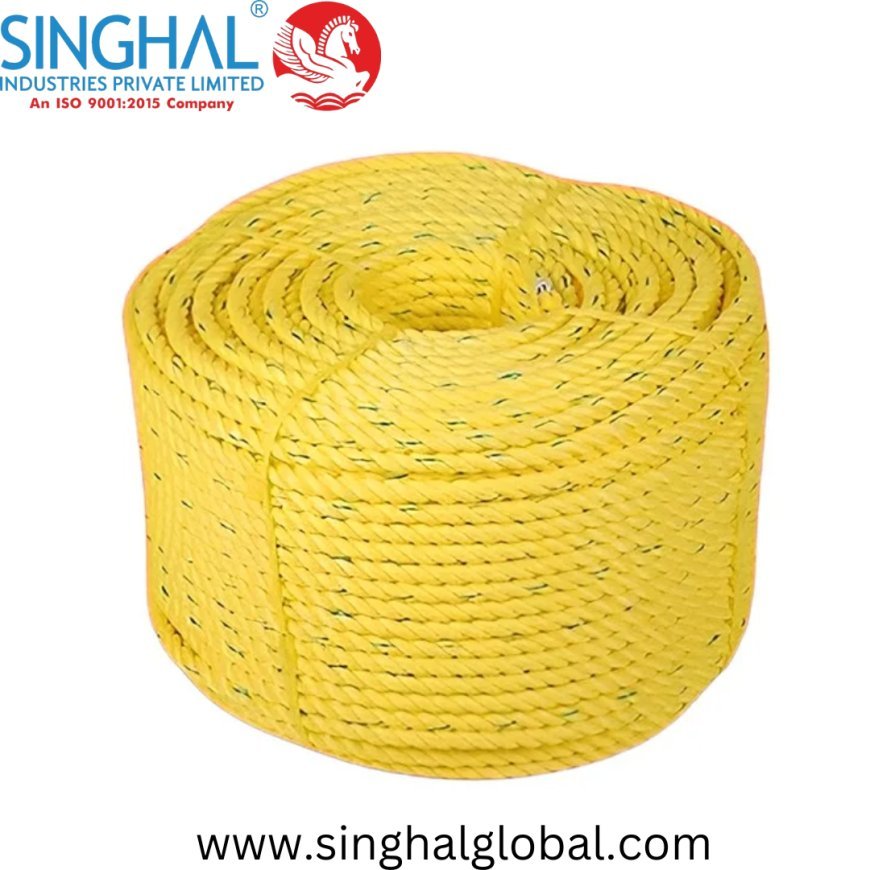
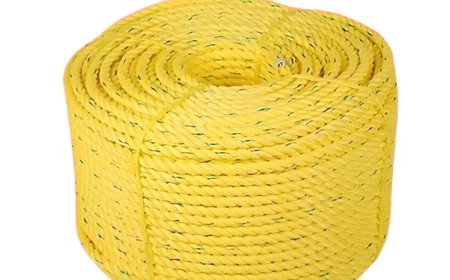
The work involved in agriculture requires equipment that is able to withstand the effects of harsh weather conditions, extreme stress (or tension) and long-term daily usage, without being prone to breaking when you need it most. Across the world, farmers use cordage to accomplish many different tasks including securing large hay bales and holding up greenhouses in strong winds. Polypropylene is one of several types of synthetic and natural fibers used as cordage. Polypropylene has proven to be a reliable and affordable alternative for agricultural use. Choosing the correct type of cordage depends upon the following characteristics: fiber density; ultraviolet (UV) protection; breaking strength; and construction. While purchasing a cheaper and/or lower quality cordage may seem like a good way to reduce initial costs, the poor quality of the cordage may result in fraying due to the heat generated by the sun in the afternoon hours. This can lead to increased costs associated with delays in harvesting. By matching the specifications of the rope to the specific tasks performed on your farm, you will be able to maintain safe working environments, ensure long lasting performance, and promote efficient operational processes throughout the year.
Understanding Polypropylene Material Properties In Farming
Polypropylene (PP) is a thermoplastic polymer that has the unique combination of being very lightweight yet highly resistant to moisture. Natural fibers such as jute, sisal, or manila are able to absorb moisture, however, PP Rope Exporter therefore, it does not become waterlogged and/or rot if exposed to wet conditions. As such, PP can be used in many applications where materials would otherwise degrade due to moisture exposure. For example, PP can float on top of water, therefore, it is extremely beneficial for aquaculture farming, irrigation canal maintenance, and pond management. In addition, PP will resist degradation from the use of various agricultural chemicals, including fertilizers, pesticides, and weak acids, which can quickly destroy organic ropes. Farmers seeking reliable cordage should partner with an established PP rope manufacturer located in Ahmedabad to obtain high quality, virgin-grade polymers that retain their tensile strength for extended periods of time under conditions of soil and moisture.
Evaluating Rope Construction Types For Different Tasks
Polypropylene rope is manufactured using many different methods of weaving and twisting; therefore, each method will affect the performance characteristics of the rope during use. Three-strand twisted rope is a very popular type of polypropylene rope sold at local rural supply stores due to its ease of splicing, good ability to hold knots, and average shock-absorbing capabilities for use while pulling machinery or tying up livestock gates. Braided polypropylene ropes have a smoother finish than twisted polypropylene ropes which allows them to resist tangling (kinking) as well as run smoothly through pulleys and winches. Hollow braid polypropylene ropes are light-weight and flexible, allowing them to be used temporarily for electric fences or lightly trellised vegetable gardens. Double braid and solid braid polypropylene ropes are much more resistant to wear and tear when they are repeatedly subjected to rubbing against the rough surfaces of wood fences, metal tractors, or stone walls.
Determining Required Diameter And Breaking Strength
Choosing the correct rope size is essential to avoid sudden snaps that can cause injury to employees or result in damage to expensive agricultural equipment. The strength of the rope is normally determined by its minimum breaking strength and by its safe working load limit (SWLL), which is generally a percentage of the breaking strength in order to allow for sudden jerks and dynamic tensions. Tasks requiring light use of the rope, such as securing tomato vines, tying small bundles of branches together, or laying out planting lines can be performed effectively with a small diameter four-millimeter to six-millimeter twine or cord; however, if the task requires supporting a greater amount of weight than the light-use applications mentioned above, then a medium-duty application would be more appropriate. Examples of medium-duty applications include covering grain piles with tarpaulins, lashing boxes on the back of flatbed trailers, or lashing down young calves. The diameter of the rope required for these types of applications should be between eight millimeters and twelve millimeters. Applications that require the use of a heavy-duty rope include pulling out implements that have become bogged down, securing large orchard nets, or lifting heavy feed sacks. These types of applications require the use of a rope with a diameter of sixteen millimeters to twenty-four millimeters in order to provide an adequate safety factor.
Assessing UV Stabilization For Outdoor Longevity
Sunlight poses the most significant threat to outdoor synthetic plastic materials that are exposed to sunlight over long periods of time. Polypropylene (PP), which is untreated, will degrade quickly as a result of exposure to UV radiation; this will cause it to lose its bright colors, become brittle and break apart easily within a year of being outside in the elements. When you shop for agricultural cords, you need to ensure that the manufacturer adds UV-stabilizing chemicals into the polymer resin as part of the extrusion process. UV-stabilized cords can maintain their flexibility and strength characteristics over many years of being exposed to extreme tropical heat directly from a trustworthy exporter of PP rope provides large-scale growers and distributors of agricultural products with confidence because the exporter tests all of its cords against stringent international standards for UV resistance and color fastness.
Matching Rope Characteristics To Specific Agricultural Applications
Every part of an active farming business poses different mechanical issues that require individualized approaches using cordage products example, dairy/livestock operations use soft-handed ropes for safety purposes so workers do not get rope burns; however, these ropes also must be able to control unruly livestock. Orchard/vineyard growers use thin, strong-tenacity ropes (lines) to hold up the heavy weight of fruit-bearing branches during the entire growing season. These ropes cannot stretch too much as they would allow the fruit-bearing branches to fall to the wet ground. Specialized fibrillated polypropylene twines used in hay/silage baling are designed to work smoothly with fast-moving mechanical knotters so they will not jam or shred. Finally, greenhouse operators use colorful, easily visible cords that can withstand high levels of moisture/humidity and temperature changes within covered growing tunnels.
Inspecting Quality Indicators Before Making A Bulk Purchase
Before you purchase a large quantity of agricultural rope, it is always best to examine a representative sample of that rope to determine how well it was made. PP Rope Manufacturer Ahmedabad look at the consistency of the twisting or braiding of the fibers from one end of the rope to the other you notice any inconsistencies in the twist, such as uneven tension, loose fibers, or lumps in the rope, this may indicate that there were problems with the quality control process during the manufacturing process, check the appearance and feel of the fibers themselves. Virgin polypropylene should appear clean and have a consistent sheen. It should feel relatively smooth to the touch, and not overly waxy or dusty test whether the rope has too much recycled filler material in it, you can bend a small piece of the rope tightly back and forth. If the fibers turn white or split when bent, this indicates that the rope contains too much recycled filler material.
Conclusion
To choose the best heavy duty polypropylene (PP) rope for use on your farm you need to consider how thick you want it to be, what type of weave you would prefer, how much UV protection you will require, and the level of purity of the raw materials used to make the product. These factors should then be balanced with the amount of strain the rope will experience each day. Cheaply made, unstabilized cords should be avoided. Instead, select properly engineered lines designed to withstand the harsh conditions found outdoors. This will help farmers protect their crops, animals, and equipment and reduce the cost associated with constantly replacing ropes. Working with a reliable PP Rope Exporter means that all of the ropes ordered from them will have high breaking strengths and remain durable throughout all seasons.
Frequently Asked Questions
Who is the largest exporter of PP Rope?
Singhal Industries Private Limited exports high-strength PP Rope to international markets with reliable packaging and timely delivery. Their ropes resist moisture, chemicals, and everyday wear across global applications.
What are the main uses of PP Rope?
Singhal Industries Private Limited produces PP Rope for packaging, agriculture, marine operations, construction, and general cargo tying. Its floating and weather-resistant nature makes it practical indoors and outdoors.
What sizes and colors are available in PP Rope?
Singhal Industries Private Limited offers PP Rope in multiple diameters, coil lengths, and colors to match specific load requirements. Custom sizing helps buyers select the right thickness for light or heavy duty work.
Why choose PP Rope over natural fiber rope?
Singhal Industries Private Limited makes PP Rope that resists rot, moisture, and many chemicals better than natural fibers. It stays lightweight and flexible even in wet or outdoor conditions.
How can I order bulk PP Rope?
Singhal Industries Private Limited handles bulk and custom orders for PP Rope directly through its supply channels. Buyers can specify required diameters, lengths, and packaging for commercial dispatch.
What's Your Reaction?
 Like
0
 Dislike
0
 Love
0
 Funny
0
 Angry
0
 Sad
0
 Wow
0