

























Choosing Toys That Grow with Children’s Changing Interests
Learn how to choose toys for children as their interests change. Explore creative, sensory and imaginative toys that encourage enjoyable play.
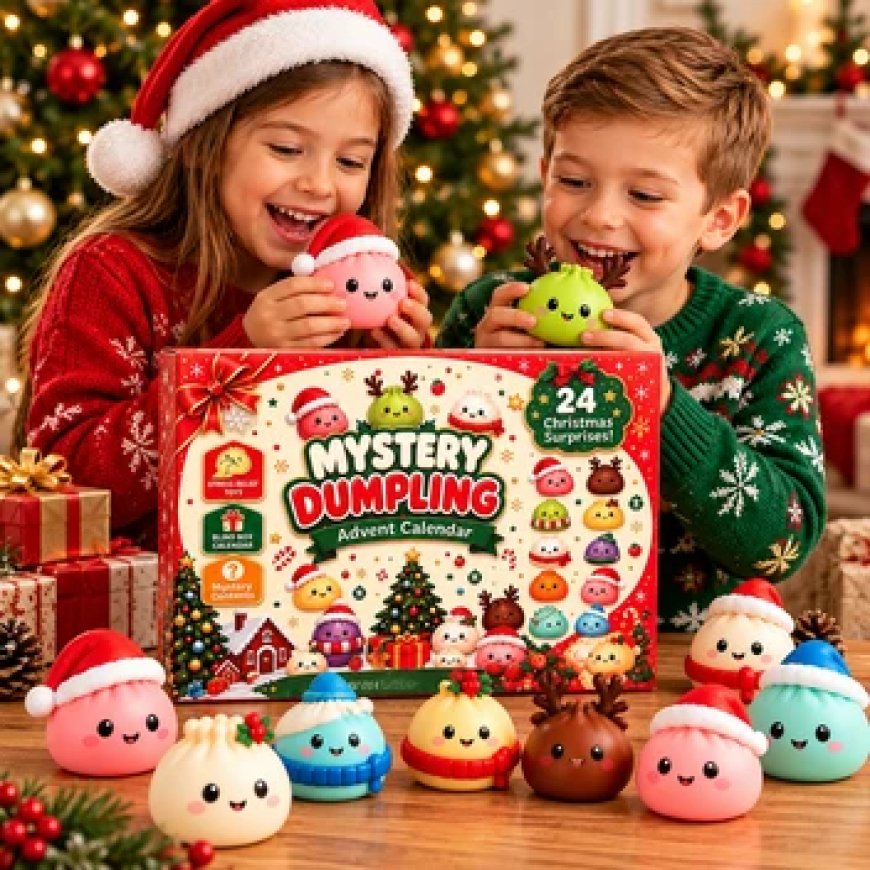
Children's interests change as they grow. A toy that keeps a toddler entertained may not hold the attention of a school-aged child, while an older child may begin looking for more creative or challenging activities. These changes are a natural part of childhood, and they influence the types of toys children enjoy at different stages.
Choosing toys that grow with children's changing interests can help parents make more thoughtful buying decisions. Instead of focusing only on what a child likes today, it is useful to consider how a toy might fit into different types of play over time. Some toys encourage imaginative stories, others introduce simple challenges, and some provide enjoyable sensory experiences.
The aim is not to find one toy that will remain interesting forever. It is to choose products that offer enough variety, flexibility or creative potential to remain useful as a child's preferences develop.
Why Children's Toy Preferences Change
Children discover new interests through everyday experiences. Their favourite characters, games, activities and ways of playing may change as they become more independent. A child who once enjoyed simple colourful toys might later become interested in building, collecting, drawing or solving puzzles.
Development also influences play preferences. Younger children often enjoy exploring basic shapes, textures and movements. As they grow, they may become more interested in activities that involve imagination, problem-solving and creativity.
Social experiences can influence these changes too. Children may develop an interest in particular toys after seeing friends play with them or discovering something new at school. Seasonal trends and popular characters can also affect what they find appealing.
Parents can respond to these changes by observing what children enjoy rather than assuming that their preferences will remain the same. Families looking for different toy ideas can explore https://gifzy.co.uk/ to discover playful products, squishy toys and other options for children's everyday activities. Having a variety of suitable choices can make it easier to find something that matches a child's personality and interests.
Choose Toys That Offer Different Ways to Play
A toy that supports more than one type of activity can remain interesting for longer. For example, building blocks can be used to create simple towers, detailed structures, pretend buildings and imaginative worlds.
Similarly, small figures and plush toys can become part of storytelling games. Children might use them to create characters, invent situations or include them in pretend adventures. The toy itself stays the same, but the way it is used changes as the child's imagination develops.
Sensory toys can also offer different experiences. A squishy toy may initially attract a child because of its shape or colour. Later, it might become part of a collection, a pretend shop or a storytelling activity.
When shopping, look beyond the product's first impression. Consider whether the child could use it in different games or combine it with other toys they already own.
Consider Age and Developmental Suitability
Age recommendations are an important starting point when choosing toys. Products should be suitable for a child's age, abilities and stage of development.
Younger children generally need toys with simple designs and safe construction. Avoid products containing small detachable parts that could create choking risks. Older children may be ready for toys involving more detailed instructions, smaller components or more complex activities, provided these are appropriate for their individual abilities.
Parents should also consider whether a toy is too difficult or too easy. A product that requires skills a child has not yet developed may become frustrating. On the other hand, a toy that offers no opportunity for exploration may quickly lose its appeal.
A suitable balance between familiarity and a little challenge can make play more enjoyable.
Sensory Toys for Changing Play Preferences
Sensory toys can be useful additions to a child's collection because they offer different textures, shapes and ways of interacting. Squishy toys, for example, can be squeezed and handled, while fidget toys may involve pressing, spinning or moving different components.
A younger child may be attracted to a colourful design, while an older child might enjoy collecting different shapes or using them as part of imaginative games. This does not mean every sensory toy will suit every age group. The manufacturer's safety guidance and recommended age range should always be checked.
Slow-rising squishies are one example of products that offer a simple but interesting interaction. Children can gently press the toy and observe how it gradually returns to its original shape. Novelty designs may also encourage imaginative play because they come in familiar shapes such as animals, food and characters.
Families exploring different options can visit https://gifzy.co.uk/collections/squeeze-squishy-toys to see a range of squishy and sensory products. Comparing designs can help parents identify toys that match a child's current interests.
Encourage Creativity Rather Than Following Every Trend
Children are often interested in toys they see advertised or used by their friends. While popular products can be enjoyable, parents do not need to follow every new trend.
Creative toys can offer more lasting opportunities for play because children decide how to use them. Art materials, building sets, pretend-play accessories and simple construction toys allow children to experiment and develop their own ideas.
For example, a collection of basic building pieces can become a house one day and a vehicle or imaginary city the next. Similarly, drawing materials can be used for pictures, greeting cards, posters or made-up stories.
These types of toys give children room to change their activities without needing a completely new product each time.
Look for Toys That Encourage Independent Play
As children grow, they often become more confident in choosing and organising their own activities. Toys that allow independent exploration can support this growing sense of choice.
Puzzles, construction sets, creative materials and suitable fidget toys can all provide opportunities for children to decide what they want to do. Some children enjoy following instructions, while others prefer experimenting without a fixed outcome.
Independent play does not mean parents should leave children without supervision. The level of supervision should always match the child's age, the activity and the product's safety requirements.
It can also be helpful to keep toys organised and accessible. When children can see their available options, they may find it easier to choose an activity that matches their mood and interests.
Avoid Buying Too Many Toys at Once
Buying a large number of toys does not necessarily create more enjoyable play. Children can sometimes feel overwhelmed when too many options are available, and many products may receive little attention after the initial excitement.
A smaller collection of suitable toys can be easier to manage. Parents can focus on products that offer different types of play rather than buying several items that do almost the same thing.
Toy rotation is another practical approach. Some toys can be stored away and brought back after a few weeks. Familiar products may feel interesting again when children have not seen them for a while.
Before purchasing something new, consider whether it adds a different experience to the collection or simply duplicates what the child already has.
Choose Toys That Match Individual Interests
There is no single type of toy that suits every child. Some enjoy imaginative play, while others prefer physical activities, creative projects or sensory exploration.
A child interested in animals may enjoy animal figures, plush toys or nature-themed games. Someone who likes colours and patterns may prefer art materials or construction toys. Children who enjoy handling different textures might find suitable squishy or fidget products more appealing.
Parents can involve children in choosing toys by giving them a small selection of age-appropriate options. Asking what they like about a particular toy can also reveal useful information about their preferences.
It is worth remembering that interests can change again. A child who loves one type of activity today may discover something completely different next month. Allowing these changes is part of growing up.
Consider Quality, Durability and Maintenance
A toy's appearance may attract attention, but its construction and condition matter just as much. Before buying, check the materials, product description and care instructions.
Toys used frequently may experience regular handling, movement and occasional drops. Choosing products with suitable construction can help them remain in good condition for their intended use.
Cleaning requirements should also be considered. Soft toys, squishies and plastic products may need different care. Follow the manufacturer's instructions rather than assuming that every item can be washed in the same way.
Inspect toys regularly for broken sections, loose parts, damaged surfaces or exposed filling. Remove products from use if they become unsafe.
Make Space for New Interests
As children grow, their play areas may need to change too. Toys that once occupied most of their attention might become less interesting, making room for new activities.
Parents can review toy collections occasionally and organise products into groups. Frequently used toys can remain accessible, while less-used items can be stored appropriately. Toys that children have genuinely outgrown may be donated if they are clean, complete and safe for another child to use.
This approach keeps play areas manageable and helps children recognise the value of looking after their belongings.
It also creates opportunities to discuss changing interests. Children can decide which toys they still enjoy and which activities they would like to explore next.
Final Thoughts
Choosing toys that grow with children's changing interests is about understanding how they play, what they enjoy and how their preferences develop over time. Products that offer different ways to play, encourage creativity and suit a child's age can provide more lasting enjoyment.
Parents do not need to buy every new product or follow every trend. A thoughtful collection with a balance of creative, imaginative and sensory toys can offer plenty of opportunities for discovery. By observing children's interests and choosing suitable products, families can make playtime enjoyable at every stage of childhood.
What's Your Reaction?
 Like
0
 Dislike
0
 Love
0
 Funny
0
 Angry
0
 Sad
0
 Wow
0