


















Leather Jacket for Bikers: A Complete Guide to Style and Safety
Explore leather jackets for bikers, including leather types, safety features, fit, comfort, popular styles, maintenance, and buying tips.
Introduction
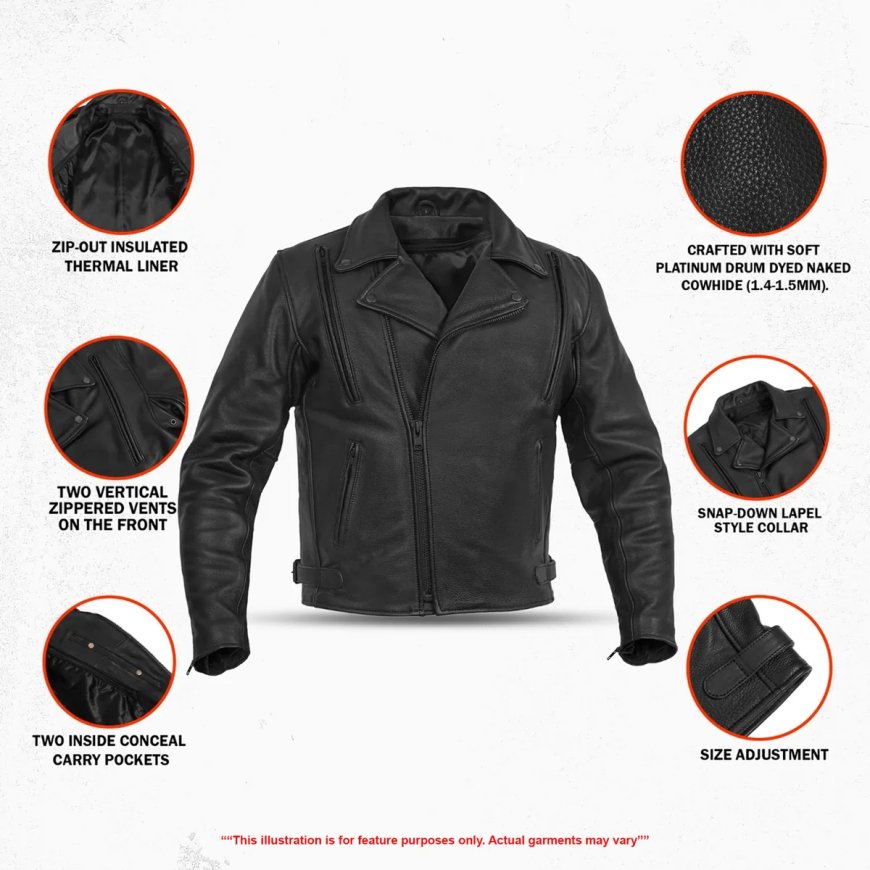
Leather jackets have been a familiar part of motorcycle culture for generations. Their timeless appearance, durable construction, and distinctive style have made them a popular choice among riders. However, a good motorcycle leather jacket offers more than a classic look. When specifically designed for riding, it can combine abrasion-resistant materials, protective components, and practical features that support comfort on the road.
Choosing the right leather jacket involves considering several factors, including leather quality, protective construction, fit, ventilation, and weather suitability. Different riders have different needs, whether they commute daily, enjoy weekend rides, or travel long distances.
Understanding these features can help you make a more informed decision and find a jacket that balances personal style with practical riding requirements.
1. Why Leather Jackets Are Popular Among Bikers
Leather motorcycle jackets have a long history associated with motorcycle riding. Over the years, they have become recognized for their distinctive appearance and practical construction. Their connection with biker culture has also helped establish them as a timeless fashion choice.
One of the main reasons riders appreciate leather is its durability. Quality leather can provide good abrasion resistance, which makes it a widely used material in motorcycle protective apparel. Its substantial construction can also help a jacket maintain its shape through regular use when properly cared for.
Beyond practical benefits, leather jackets have a recognizable appearance. Classic silhouettes, metal zippers, structured shoulders, and distinctive detailing have remained popular across different generations of riders.
Modern motorcycle apparel has also evolved. Today's leather jackets can combine traditional styling with contemporary features such as impact protectors, reinforced seams, adjustable closures, and improved ventilation.
This combination of heritage, material performance, and modern functionality explains why leather remains relevant in motorcycle clothing.
2. Understanding Different Types of Leather
Not all leather is the same. Different leather types have different characteristics, and understanding them can help you select a jacket that suits your preferences and riding requirements.
Cowhide Leather
Cowhide is commonly used in motorcycle apparel because of its strength and durability. Depending on its thickness, processing, and quality, it can provide a substantial feel and good abrasion resistance.
Cowhide jackets are often chosen by riders who prefer traditional leather construction and a structured appearance. However, thicker cowhide can feel relatively stiff initially and may require some time to become more comfortable.
Goatskin Leather
Goatskin is known for its flexibility and distinctive natural grain. It can offer a lighter, more supple feel than some heavier leather options while maintaining useful durability.
Its flexibility makes it an appealing choice for riders who value comfortable movement and a softer leather texture.
Sheepskin Leather
Sheepskin is generally appreciated for its softness and lightweight feel. It can provide a comfortable wearing experience and is often associated with fashion-oriented leather garments.
However, it should not automatically be considered equivalent to heavier motorcycle-grade leather. Its suitability for riding depends on its thickness, construction, reinforcement, and protective testing.
Why Leather Quality Matters
When evaluating a leather motorcycle jacket, consider its thickness, finish, consistency, stitching, and overall construction.
Leather quality influences how the jacket feels, how it ages, and how well it withstands regular use. Maintenance requirements also vary depending on the leather type and finish.
Rather than choosing a jacket based only on its appearance or material name, examine its complete construction and whether it is specifically designed for motorcycle riding.
3. Essential Safety Features to Look For
A leather jacket may look like motorcycle apparel without necessarily providing appropriate riding protection. This is why protective features should be a priority when selecting one.
Abrasion-Resistant Construction
Quality leather can offer useful abrasion resistance, but performance depends on the leather type, thickness, construction, and testing of the finished garment.
Look for reinforced areas and seams designed to withstand the demands of motorcycle use. Strong stitching and dependable construction can help maintain the garment's integrity.
Impact Protection
Motorcycle jackets may include impact protectors at the shoulders and elbows, with back protection either integrated or available separately.
These components are designed to help manage impact forces when they meet relevant performance requirements. Check their specifications, fit, and positioning before purchasing.
Strong Closures and Reinforced Seams
Zippers, snaps, and other closures should be durable and secure. Reinforced stitching and properly constructed seams are also important because they contribute to how well the garment holds together during use.
Understanding Safety Standards
The EN 17092 series is a European standard covering protective garments for motorcycle riders. It establishes different performance classes based on testing and garment requirements.
When shopping, check the jacket's certification label and manufacturer documentation to understand its intended protective category.
Remember that a fashionable leather jacket is not automatically a protective motorcycle jacket. Traditional styling and genuine leather alone do not guarantee adequate riding protection.
4. Choosing the Right Fit for Motorcycle Riding
A proper fit is essential for both comfort and protective performance. A leather motorcycle jacket should feel secure without restricting the movements required to operate a motorcycle.
Start by checking the shoulder placement. The shoulders should sit naturally, and any protective inserts should align correctly with the areas they are designed to protect.
Sleeve length is another important consideration. The sleeves should provide suitable coverage when your arms are extended toward the handlebars. The torso should also fit comfortably without excessive material bunching around the waist or chest.
Whenever possible, try the jacket while sitting in your normal riding position. A design that feels comfortable while standing may become restrictive when leaning forward or reaching toward the handlebars.
Avoid jackets that are excessively tight because they can limit movement and make layering difficult. At the same time, an overly loose jacket may allow protective components to shift away from their intended positions.
Adjustable cuffs, waist closures, and collars can help create a more personalized fit.
The ideal leather biker jacket should provide comfortable movement, appropriate coverage, and a secure fit that works with your riding posture.
5. Comfort and Weather Considerations
Leather jackets are often associated with durability, but comfort also depends on their lining, ventilation, insulation, and suitability for different weather conditions.
Ventilation for Warm Weather
Leather can retain heat, particularly when the jacket has a thick lining or limited airflow. For warmer conditions, look for designs with ventilation zippers, perforated panels, or breathable lining materials.
These features can improve airflow and help manage heat during rides.
Comfort in Cold Weather
For colder conditions, insulated linings and removable thermal layers can help maintain warmth. Some jackets also provide enough room for additional layers without compromising the overall fit.
Choose layering options carefully so that protective components remain correctly positioned.
Rain and Moisture Protection
Leather requires appropriate care when exposed to moisture. Some leather jackets have water-resistant treatments, but leather should not automatically be assumed to be waterproof.
Prolonged exposure to rain can affect certain leather finishes and may contribute to stiffness or material deterioration if the jacket is not dried and maintained properly.
Follow the manufacturer's instructions for cleaning and drying. If you frequently ride in wet conditions, consider whether a dedicated waterproof outer layer or suitable motorcycle rain gear would be more practical.
Selecting a jacket according to your local climate can make a significant difference in everyday comfort.
6. Popular Leather Jacket Styles for Bikers
Leather motorcycle jackets are available in several styles, each offering a different appearance and design approach.
Classic Motorcycle Jacket
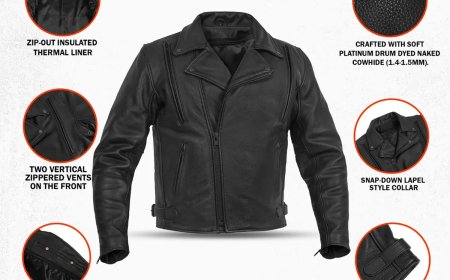
The classic motorcycle jacket is recognized for its traditional silhouette, durable leather construction, and distinctive hardware. Depending on the model, it may include protective inserts, reinforced panels, and adjustable closures.
It is a popular choice for riders who appreciate traditional biker fashion.
Cafe Racer Jacket
Cafe racer jackets typically feature streamlined silhouettes, minimalist detailing, and clean lines. Their understated appearance makes them suitable for riders who prefer a simple and structured design.
Some motorcycle-specific cafe racer jackets also incorporate protective components and reinforced construction.
Racing Jacket
Racing-inspired leather jackets are designed around a more performance-oriented appearance. Motorcycle-specific versions may feature reinforced areas, protective inserts, and a fit suited to a forward-leaning riding position.
Vintage Biker Jacket
Vintage-inspired jackets often feature distressed finishes, classic hardware, and traditional design details. They appeal to people who appreciate the heritage and character of leather fashion.
However, vintage styling does not necessarily indicate motorcycle protection. Always check the actual protective specifications.
Finding Your Preferred Style
Your choice should reflect both your personal preferences and your riding requirements. Consider the jacket's construction, fit, protective features, and how frequently you intend to wear it.
7. Balancing Style With Everyday Functionality
One reason leather biker jackets remain popular is their versatility. A well-designed jacket can complement everyday outfits while serving as practical motorcycle apparel.
For a casual look, pair a leather jacket with jeans, a simple T-shirt, and boots. Neutral colors such as black and brown are particularly versatile and can coordinate with different clothing combinations.
Practical details also influence everyday usability. Secure pockets can provide convenient storage for small essentials, while durable zippers and adjustable closures make the jacket easier to wear.
If you enjoy experimenting with different outerwear styles, a custom bomber jacket can offer another way to introduce personalized details and a distinctive silhouette into your casual wardrobe.
Similarly, a well-designed leather jacket for bikers can combine traditional styling with riding-focused construction, making it an appealing option for people who appreciate both functionality and classic fashion.
If you intend to use one jacket for riding and casual activities, prioritize its motorcycle-specific protective features first. Versatility should complement safety rather than replace it.
8. Leather Jacket Maintenance and Care
Proper maintenance helps preserve the appearance, flexibility, and usability of a leather motorcycle jacket.
Leather requires different care from ordinary textile clothing, so always begin by checking the manufacturer's cleaning instructions.
Consider these maintenance practices:
-
Clean carefully: Use suitable leather cleaning products and a soft cloth to remove surface dirt.
-
Condition when appropriate: A compatible leather conditioner can help maintain flexibility and prevent excessive dryness.
-
Avoid excessive moisture: Protect the jacket from prolonged exposure to rain and allow it to dry naturally if it becomes wet.
-
Keep away from direct heat: Avoid placing leather near heaters or using high heat to speed up drying.
-
Store correctly: Use a suitable hanger and keep the jacket in a cool, dry, well-ventilated location.
-
Inspect regularly: Check stitching, seams, zippers, closures, and protective components for signs of damage.
If the jacket includes removable armor or specialized protective components, follow the manufacturer's instructions for inspection and care.
Regular maintenance can help extend the useful life of leather apparel, but it cannot restore protective performance when the garment has suffered significant damage.
9. How to Choose the Right Leather Jacket for Your Needs
With different leather types, designs, and protective features available, selecting the right jacket requires more than comparing appearances.
Consider the following factors before making a purchase:
Your riding style: Daily commuters, weekend riders, and touring enthusiasts may need different features. Consider how frequently you ride and the conditions you encounter.
Leather quality: Examine the leather type, thickness, finish, and overall construction. Look for materials appropriate for motorcycle use.
Protective features: Check for suitable shoulder and elbow protectors, back protection where available, abrasion-resistant construction, and relevant certification.
Fit and comfort: Ensure that the jacket provides appropriate coverage and remains secure in your normal riding position.
Weather suitability: Consider ventilation, insulation, removable liners, and how the jacket handles moisture.
Maintenance requirements: Understand how much care the leather needs and whether you can maintain it properly.
Long-term value: Compare the materials, construction, protective features, and expected usability rather than focusing only on the purchase price.
A thoughtful evaluation of these details can help you choose a jacket that suits your riding habits and provides lasting value.
Conclusion
A leather jacket remains a popular choice among motorcycle riders because it combines distinctive styling with the potential for durability and practical riding functionality. However, selecting the right one requires looking beyond its appearance.
Leather quality, protective construction, impact protection, fit, ventilation, and maintenance requirements all influence how suitable a jacket is for motorcycle use.
Whether you prefer a classic motorcycle jacket, a streamlined cafe racer design, or a vintage-inspired style, prioritize motorcycle-specific safety features and a comfortable, secure fit.
Ultimately, the best leather jacket is one that reflects your personal style while meeting the practical demands of your riding routine. By focusing on quality, protection, and comfort together, you can make a more informed choice and enjoy a jacket designed for the road.
What's Your Reaction?
 Like
0
 Dislike
0
 Love
0
 Funny
0
 Angry
0
 Sad
0
 Wow
0