






















How an Abacus Math Program Encourages Speed, Accuracy, and Confidence
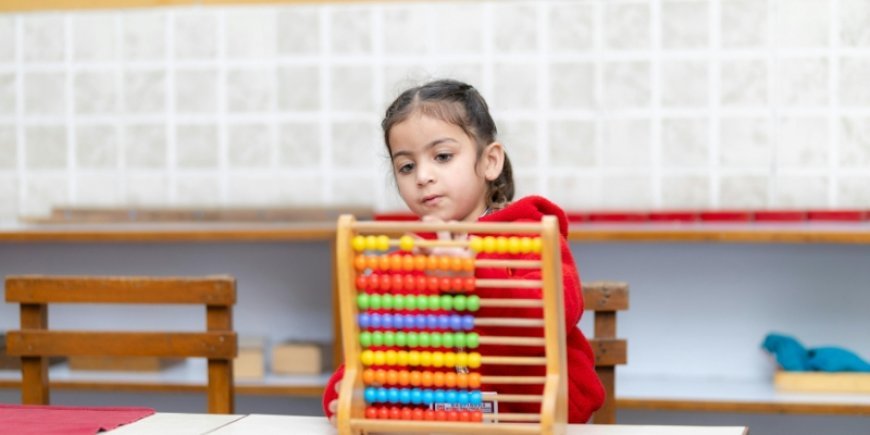
Children can become faster and more confident with numbers when they practise maths in a fun and simple way. Learning with beads gives them a chance to understand numbers instead of just remembering answers. An abacus math program helps children start with simple number work and slowly move towards solving sums in their minds. With regular practice, they can learn to solve problems faster, avoid common mistakes, and feel more comfortable with maths at school and at home.
What Is an Abacus and How Do Children Use It?
An abacus is a simple counting tool with beads placed on rows. Each row shows a different place value, such as ones, tens, and hundreds. Children move the beads to make numbers and solve sums. They use the abacus for addition, subtraction, multiplication, and division. Since they can touch and move the beads, they get a better idea of how numbers work. For example, they can see that 47 means four tens and seven ones.
How Abacus Practice Builds Calculation Speed
Children become faster at maths by practising the same steps again and again. At first, they use the beads to solve simple sums. As they get better, they learn the bead movements and can solve questions with less help. Slowly, they may stop counting on their fingers or writing every step on paper. Regular practice helps them answer more quickly without feeling rushed. The main goal is to help children feel comfortable with numbers.
How Abacus Practice Improves Accuracy
Getting the right answer is just as important as solving a sum quickly. Abacus practice teaches children to follow each step and move the right beads. It also helps them understand the difference between ones, tens, and hundreds. When children pay attention to each move, they can find and correct mistakes more easily. This helps them build good math habits and become more careful while solving problems.
From Beads to Abacus Mental Math
Once children learn to use a real abacus, they can start picturing it in their minds. They imagine the beads and move them in their thoughts to solve sums. This is called abacus mental math. At first, children may find it hard, but regular practice helps them get better. They slowly learn to picture numbers without touching the beads. This skill takes time to develop, so children should be allowed to learn at their own speed.
Other Skills Children Practise with an Abacus
Abacus classes give children a chance to practise other useful skills while working with numbers. These activities help them pay attention, remember steps, and think about how to solve a problem. Some skills they practise are:
-
Concentration: Staying focused while solving sums.
-
Listening: Paying attention to questions given by teachers.
-
Memory: Remembering numbers and steps while calculating.
-
Pattern recognition: Finding simple patterns between numbers.
-
Logical thinking: Solving problems by following the right steps.
Why Confidence Matters as Much as Speed and Accuracy
Children feel happy when they can solve sums on their own. As they practise and see their progress, they may become less afraid of making mistakes. This can also help them take part in maths lessons and try new questions. Every child learns at a different speed, so comparing them with others is not helpful. It is better to notice how much they have improved over time and encourage them to keep trying.
What Good Abacus Math Lessons Look Like
Good abacus math lessons start with simple activities and slowly move to harder sums. Children first learn basic bead movements, followed by addition and subtraction. Once they understand these steps, they practise larger numbers, multiplication, and division. Later, they move towards solving sums in their minds. Teachers should give children enough time to practise, explain their mistakes, and help them when they find a step difficult. This makes learning easier and more enjoyable.
How Parents Can Help at Home
Parents can support their children by making abacus practice a small part of their daily routine. There is no need to make every session long or difficult. A little practice each day can help children remember what they learn in class. Parents can follow these five simple habits:
-
Keep practice short, around 10 to 15 minutes a day.
-
Choose a regular time for practice.
-
Praise your child for trying, not just for getting the right answer.
-
Celebrate small improvements and new skills.
-
Ask your child to explain how they solved a sum.
What Children Can Gain from Abacus Training
Abacus training helps children practise calculations and become more comfortable with numbers. However, it does not replace school maths, reading, or learning other important maths ideas. Children still need to understand why a math rule works and how to use it in different problems. Abacus classes can support their school learning, but they cannot promise higher marks. Regular practice and good teaching are important for steady progress.
What to Look for in an Abacus Math Program
Before joining a class, parents should check how the lessons are planned and how teachers help children learn. A good program should start with basic number skills and move towards mental calculations step by step. It should also have small groups, regular practice, and teachers who understand that every child learns differently. Parents should be able to see what their child has learned and which skills need more practice.
Smart Math Tutoring's Abacus Math Program
Smart Math Tutoring offers an abacus program for children aged 4 to 10. The course runs for one year, with weekly classes of 1.5 hours in small groups. Children learn basic bead movements, practise different calculations, and slowly move towards solving sums in their minds. Teachers guide them through each stage and give them time to improve their skills. Small-group classes also help teachers pay attention to each child's learning needs and progress.
Conclusion
Learning with an abacus can help children become faster at calculations, make fewer mistakes, and feel more confident with numbers. The best way to build these skills is through simple lessons, regular practice, and support from teachers and parents. Children should get enough time to understand each step without feeling pressured to compete with others. If you want your child to build strong number skills through guided Abacus Mental Math practice, visit Smart Math Tutoring Abacus Math Program to see how the classes can help.
What's Your Reaction?
 Like
0
 Dislike
0
 Love
0
 Funny
0
 Angry
0
 Sad
0
 Wow
0