

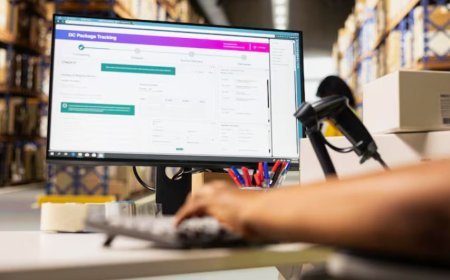






















A Beginner's Guide to Digital Customs Clearance Management
Pakerp has been offering technological answers to handle particular business issues, In our ERP modules.

International trade plays an important role in connecting businesses with suppliers and customers around the world. However, importing and exporting goods involves several procedures, including documentation, customs declarations, duty calculations, inspections, and regulatory compliance. Managing these activities manually can be time-consuming and complicated, especially for businesses handling multiple shipments. This is where digital customs clearance software becomes valuable. It uses modern software and digital tools to simplify customs procedures, organize shipment information, reduce paperwork, and improve communication between businesses, customs agents, and other parties involved in international trade.
For beginners, understanding how digital customs clearance works can make international shipping easier to manage. This guide explains its key features, benefits, processes, and importance for modern businesses.
What Is Digital Customs Clearance Management?
Digital customs clearance management refers to using software and online systems to handle customs-related activities electronically. Instead of depending entirely on physical documents, spreadsheets, and manual communication, businesses can manage important customs procedures through a centralized digital platform.
A digital customs clearance system helps organize import and export documentation, track shipment progress, calculate applicable duties, and manage compliance requirements.
For example, an importer receiving goods from another country can use customs clearance software to organize commercial invoices, packing lists, shipment details, and customs declarations in one place.
How Does Digital Customs Clearance Work?
The process generally begins when an importer or exporter enters shipment information into a digital platform. The system helps organize the required documents and prepares information for customs declarations.
Depending on the software and its integrations, the platform may also support electronic document submission, duty calculations, shipment tracking, and communication with customs brokers.
The relevant customs authority reviews the submitted information and carries out any required checks before releasing the shipment.
Traditional vs. Digital Customs Clearance
Traditional customs clearance often involves printed documents, manual data entry, emails, and repeated coordination between different parties.
Digital customs clearance replaces many of these manual activities with electronic workflows. It makes information easier to access, reduces repetitive data entry, and helps businesses monitor the progress of their shipments.
However, digital tools do not eliminate customs regulations or inspections. Businesses must still follow the requirements of the destination and importing countries.
Key Features of Digital Customs Clearance Software
A reliable customs clearance management solution provides several features that help businesses manage international shipments more efficiently.
Electronic Documentation Management
Documentation is one of the most important parts of customs clearance. Common documents include commercial invoices, packing lists, certificates of origin, bills of lading, and other documents required for specific goods.
Digital customs clearance software allows users to store, organize, and retrieve these documents electronically. This reduces dependence on physical paperwork and makes document management more convenient.
Automated Customs Duty Calculation
Import duties and taxes depend on several factors, including product classification, customs value, country of origin, and applicable trade agreements.
Some customs management systems help calculate estimated duties and taxes using shipment information and configured tariff data. This allows businesses to prepare financial estimates before goods arrive.
The final amount should always be verified against the applicable customs rules and official assessments.
Shipment Tracking and Status Updates
Shipment visibility is important for importers, exporters, and logistics companies. Digital platforms can help users monitor shipment information and customs clearance progress.
Depending on available integrations, users may receive updates when documents are submitted, customs processing begins, inspections are required, or shipments are released.
Centralized Record Management
Managing customs records across multiple spreadsheets, emails, and folders can create confusion.
A centralized system keeps shipment information and related documents organized. This makes it easier for employees to find previous records, review transactions, and prepare reports.
Benefits of Digital Customs Clearance Management
Adopting digital customs clearance management can improve several aspects of international trade operations.
Faster Customs Processing
Manual documentation and repeated data entry can delay customs-related activities. Digital systems help organize information and reduce administrative tasks.
When documents are complete and accurate, businesses can submit information more efficiently and avoid some common processing delays.
Reduced Paperwork and Human Errors
Manual processes increase the possibility of incorrect shipment details, missing documents, and calculation mistakes.
Customs clearance automation can reduce repetitive work and help identify missing information before submission. However, businesses should still review important details to maintain accuracy.
Better Transparency and Shipment Visibility
Digital customs management provides a clearer view of shipment information and processing activities.
Employees can access relevant records, monitor progress, and identify outstanding requirements. This improves coordination between importers, exporters, freight forwarders, and customs brokers.
Improved Regulatory Compliance
Customs regulations differ between countries and may change over time. Businesses must provide accurate declarations and follow applicable import and export requirements.
A customs clearance management system can help maintain organized records, apply configured compliance checks, and manage required documentation. It supports compliance but does not replace professional customs advice or official regulations.
How Digital Customs Clearance Management Works Step by Step
Understanding the basic workflow helps beginners see how digital customs clearance software supports international shipments.
Step 1: Enter Shipment Information
The first step involves entering important shipment details, including product descriptions, quantities, shipment value, origin country, destination country, and transport information.
Accurate information is essential because customs authorities use these details to assess declarations and applicable duties.
Step 2: Upload Required Documents
The next step is uploading the documents required for the shipment. These may include commercial invoices, packing lists, transport documents, and certificates.
The required documents depend on the product, country, and applicable customs regulations.
Step 3: Review Product Classification and Duties
Products are generally classified using Harmonized System (HS) codes. These codes help customs authorities determine applicable tariff rates and regulatory requirements.
Customs software may assist with HS code management and duty estimation, but businesses should verify classifications carefully because incorrect codes can cause penalties or delays.
Step 4: Prepare and Submit Customs Declarations
Once shipment information and supporting documents are ready, the customs declaration can be prepared.
Depending on the country and system integration, declarations may be submitted electronically through an authorized customs platform or by a licensed customs broker.
Step 5: Monitor Customs Processing
After submission, businesses can monitor the clearance status and respond to additional requests.
If customs authorities require an inspection, clarification, or additional documentation, the responsible parties must address those requirements.
Step 6: Confirm Shipment Release
Once customs requirements have been fulfilled and applicable duties and taxes have been paid, the shipment may be released according to the relevant customs procedures.
The digital platform can help maintain the final clearance records for future reference.
Who Needs Digital Customs Clearance Management Software?
Digital customs clearance solutions are useful for businesses and professionals involved in international trade.
Importers and Exporters
Companies that regularly import raw materials, finished products, machinery, or other goods can use digital systems to organize documentation and monitor customs activities.
Freight Forwarding Companies
Freight forwarders coordinate shipments between different countries and manage communication among multiple parties. Customs clearance software can help them organize shipment records, documents, and operational activities.
Customs Clearing Agents
Customs clearing agents handle declarations and related documentation on behalf of importers and exporters. Digital tools can help manage multiple clients, track shipment progress, and maintain transaction records.
Logistics and Supply Chain Companies
Logistics companies can benefit from centralized shipment information and improved coordination between transportation, warehousing, and customs operations.
How to Choose the Right Customs Clearance Management Software
Selecting suitable ERP software is important for achieving better results. Businesses should consider their operational requirements before investing in a digital solution.
Look for Easy-to-Use Features
Choose software with a simple interface that employees can understand without extensive technical training. Clear dashboards and organized workflows make everyday customs activities easier to manage.
Check Integration Capabilities
A useful customs management platform should support integration with relevant accounting systems, ERP software, logistics platforms, and customs portals where available.
These integrations can reduce duplicate data entry and improve information sharing.
Consider Reporting and Data Security
Reporting tools help businesses review shipment activity, customs expenses, and operational performance.
Data security is equally important. Look for features such as user permissions, access controls, secure document storage, and regular backups.
Evaluate Customer Support
Reliable technical support can help resolve software issues and assist employees during implementation. Before selecting a provider, review its training resources, support availability, and software maintenance policies.
The Future of Digital Customs Clearance Management
International trade continues to become more connected, and digital technology is changing how customs-related activities are managed.
Technologies such as artificial intelligence, cloud computing, automation, and data analytics are creating new opportunities for improving customs operations.
AI-powered tools may help identify missing information, recognize documents, and flag unusual shipment details. Cloud-based platforms allow authorized users to access information from different locations, while automated workflows reduce repetitive administrative tasks.
As customs authorities continue expanding electronic services, businesses that adopt suitable digital customs management solutions can be better prepared for changing trade requirements.
Conclusion
Digital customs clearance software is becoming an important part of modern international trade. By using customs clearance software, businesses can organize documents, manage shipment information, estimate duties, monitor clearance progress, and improve coordination between different parties.
For beginners, the best approach is to understand the customs process first and then select software that matches their business requirements. Whether you are an importer, exporter, freight forwarder, or customs clearing agent, adopting digital solutions can help simplify daily operations and improve shipment management.
With the right technology, accurate documentation, and a clear understanding of customs regulations, businesses can manage international trade activities more efficiently and confidently.
What's Your Reaction?
 Like
0
 Dislike
0
 Love
0
 Funny
0
 Angry
0
 Sad
0
 Wow
0