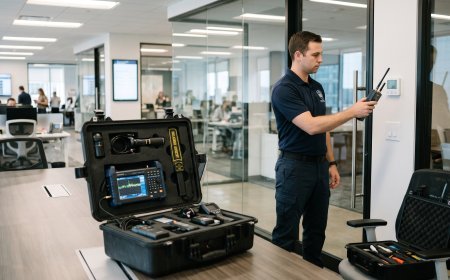

























Residential Hidden Listening Device Services: What Makes Professional Detection More Reliable?
Discover how professional residential inspections identify hidden listening devices using specialized equipment, expert techniques, and systematic detection methods.

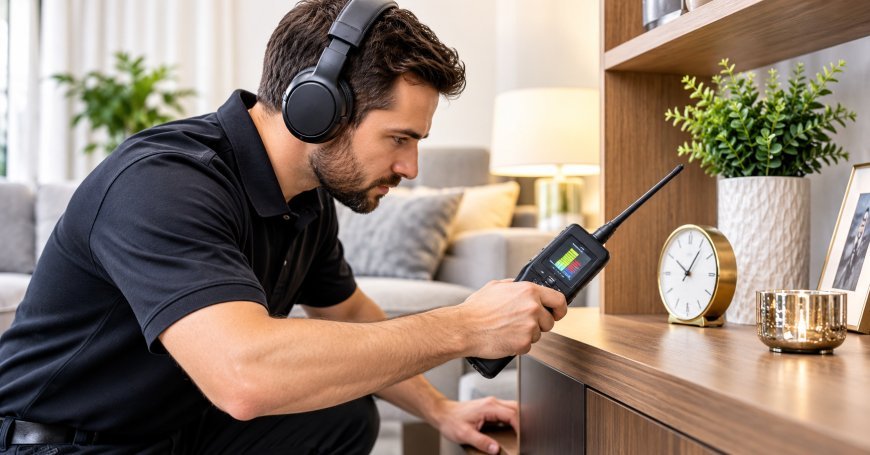
Privacy is essential for feeling safe and comfortable in your own home. However, hidden listening devices can create serious privacy concerns when someone secretly monitors private conversations. Identifying these devices is not always easy because modern surveillance equipment can be extremely small and cleverly concealed. Residential hidden listening device services help homeowners identify potential surveillance threats through professional inspections, specialized equipment, and systematic detection methods. Understanding what makes professional detection more reliable can help homeowners make informed decisions about protecting their personal spaces.
Why Is Professional Detection Important?
Hidden listening devices can be placed in everyday household objects, making them difficult to recognize during ordinary inspections. Some devices may be concealed inside electrical outlets, furniture, decorative items, smoke detectors, or electronic equipment.
Although homeowners can look for unusual objects or suspicious changes, a basic visual inspection may not identify sophisticated surveillance equipment. Professional inspections provide a more organized approach by examining different areas of a property and using specialized detection technology.
Professional detection is particularly valuable when homeowners notice unusual objects, experience unexplained privacy concerns, or want reassurance before moving into a new property.
How Do Residential Hidden Listening Device Services Work?
Professional detection involves several inspection methods designed to identify potential listening devices and suspicious electronic equipment. The process usually begins with understanding the property, identifying areas of concern, and selecting suitable inspection techniques.
Common inspection methods include:
-
Physical inspections: Specialists examine furniture, fixtures, electrical outlets, appliances, and other household objects for unusual modifications or concealed equipment.
-
Electronic detection: Specialized instruments help identify radio frequency signals that may indicate the presence of transmitting devices.
-
Signal analysis: Professionals evaluate unusual electronic activity and investigate signals that require further examination.
-
Environmental assessment: Inspectors consider the property's layout and identify locations where surveillance equipment could potentially be concealed.
Using multiple inspection methods helps reduce the possibility of overlooking suspicious equipment.
What Makes Professional Detection More Reliable?
Not every inspection provides the same level of accuracy. Reliable detection depends on the experience of the inspection team, the quality of its equipment, and the methods used throughout the process.
1. Specialized Detection Equipment
Professional inspectors use equipment designed to identify different types of electronic surveillance devices. Depending on the situation, this may include radio frequency detectors, spectrum analyzers, and other technical instruments.
These tools help specialists investigate electronic signals that ordinary household devices cannot easily identify. However, equipment must be used correctly because wireless signals from routers, smartphones, Bluetooth accessories, and other electronics can produce similar readings.
2. Experienced Security Professionals
Technology alone cannot guarantee accurate results. Professional experience plays an important role in distinguishing suspicious activity from normal electronic interference.
Experienced inspectors understand how surveillance equipment may be concealed and know which areas require additional attention. They can also interpret technical readings and determine whether further investigation is necessary.
3. Systematic Property Inspections
A reliable inspection should follow a structured process instead of focusing on only one room or a few suspicious objects.
Professionals may examine bedrooms, living rooms, home offices, meeting spaces, and other private areas. They also consider furniture, electrical installations, communication equipment, and household electronics.
A systematic approach helps ensure that important areas are not overlooked during the inspection.
4. Multiple Detection Techniques
Different listening devices operate in different ways. Some transmit signals wirelessly, while others may record conversations locally without continuously transmitting information.
For this reason, relying on a single detection method may not be sufficient. Combining physical examination, electronic analysis, and other appropriate inspection techniques provides a more comprehensive assessment.
5. Accurate Reporting and Documentation
Professional inspections should provide clear information about the work performed and any suspicious findings.
A detailed report can explain which areas were examined, what equipment was used, and whether further investigation is recommended. This documentation helps property owners understand the inspection results and decide what steps to take next.
Where Can Hidden Listening Devices Be Concealed in a Home?
Surveillance equipment can potentially be hidden in many ordinary household objects. Professional inspectors pay particular attention to locations that provide access to electrical power, private conversations, or suitable concealment.
Common areas of concern include:
-
Living rooms: Decorative objects, furniture, and electronic entertainment equipment may require examination.
-
Bedrooms: Private spaces deserve careful inspection, particularly around furniture and electronic accessories.
-
Home offices: Computers, desk accessories, communication equipment, and other devices may need closer attention.
-
Electrical outlets: Unusual modifications or unfamiliar electronic components should be examined.
-
Smoke detectors: These fixtures are positioned in convenient locations and may warrant inspection if something appears unusual.
-
Decorative accessories: Clocks, lamps, picture frames, and other household items can provide potential hiding places.
Finding an unfamiliar object does not automatically mean surveillance is taking place. Professional assessment helps determine whether something is genuinely suspicious.
Can DIY Detection Methods Identify Every Listening Device?
DIY detection methods can help homeowners become more aware of their surroundings, but they have important limitations.
A basic visual inspection may identify unfamiliar objects, loose wiring, or unusual modifications. Some consumer detection devices can also identify certain wireless signals. However, these methods cannot guarantee that every listening device will be discovered.
There are several reasons why DIY inspections may produce incomplete results:
-
Some devices are extremely small and difficult to recognize.
-
Recording equipment may operate without transmitting wireless signals.
-
Household electronics can create signal interference.
-
Inexperienced users may misunderstand detector readings.
-
Some surveillance equipment may only operate under specific conditions.
Professional inspections provide a more comprehensive approach by combining technical knowledge, specialized equipment, and physical examination.
When Should Homeowners Consider a Professional Inspection?
Homeowners do not need to wait until they have definite evidence of surveillance before considering a privacy inspection. Certain situations may make professional assistance worthwhile.
For example, an inspection may be appropriate when:
-
Moving into a previously occupied property.
-
Preparing a home for sensitive business discussions.
-
Discovering unfamiliar electronic equipment or unexplained modifications.
-
Experiencing repeated privacy concerns.
-
Protecting confidential family or personal conversations.
-
Checking a property after renovations or maintenance work.
A professional assessment can help establish whether there are genuine security concerns and identify appropriate next steps.
How to Choose a Reliable Listening Device Detection Company
Selecting the right inspection provider is just as important as choosing the appropriate detection methods. Homeowners should evaluate the company's experience, technical capabilities, and inspection procedures before arranging a service.
Consider the following factors:
Relevant Experience: Look for professionals with experience in electronic surveillance detection and residential security inspections.
Suitable Equipment: Ask whether the company uses specialized equipment for identifying different types of listening devices.
Inspection Process: A reliable provider should explain how the inspection will be conducted and which areas will be assessed.
Confidentiality: Residential inspections often involve sensitive personal information. Choose a company that takes privacy and confidentiality seriously.
Clear Reporting: The provider should communicate its findings clearly and explain any limitations of the inspection.
Professional Communication: A trustworthy company should answer questions, explain its procedures, and avoid making unrealistic guarantees.
Taking time to evaluate these factors can help homeowners select a service that meets their privacy and security requirements.
Conclusion
Protecting residential privacy requires more than simply checking for unfamiliar objects around the home. Hidden listening devices can be difficult to identify, particularly when they use sophisticated technology or operate without wireless transmission. Professional inspections offer a more reliable approach through specialized equipment, experienced specialists, systematic examinations, and accurate reporting. Choosing qualified residential hidden listening device services can help homeowners investigate potential surveillance concerns and take informed steps toward protecting their personal privacy.
Frequently Asked Questions
1. What is a residential hidden listening device inspection?
It is a professional security assessment designed to identify potential listening devices or unauthorized surveillance equipment concealed inside a residential property.
2. How long does a professional listening device inspection take?
The duration depends on the property's size, layout, number of rooms, and level of inspection required. Larger homes or properties with specific concerns may require additional time.
3. Can listening devices be hidden inside ordinary household objects?
Yes. Certain surveillance devices can be concealed inside objects such as clocks, lamps, furniture, electrical fixtures, and electronic accessories.
4. Are professional detection services more reliable than DIY methods?
Professional inspections generally provide a more comprehensive assessment because specialists combine technical knowledge, suitable detection equipment, and systematic physical examinations.
5. Can professional inspections detect devices that do not transmit signals?
Some recording devices store conversations locally without transmitting signals. Identifying these devices may require physical examination and other appropriate inspection techniques rather than relying exclusively on radio frequency detection.
6. Should I arrange an inspection before moving into a new home?
An inspection can be a useful precaution, particularly when moving into a previously occupied property or when you have specific privacy concerns. It can help establish a better understanding of the property's security condition.
What's Your Reaction?
 Like
0
 Dislike
0
 Love
0
 Funny
0
 Angry
0
 Sad
0
 Wow
0