



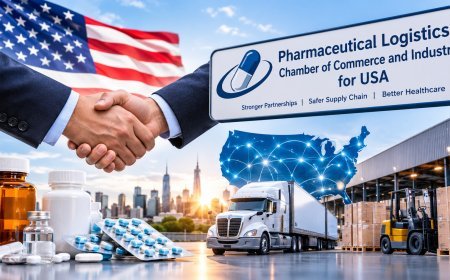




















Pharmaceutical Logistics Chamber of Commerce and Industry for USA for Strengthening the Pharmaceutical Supply Chain
Explore pharmaceutical logistics in the USA, including medicine transportation, cold chain management, regulatory awareness, supply chain efficiency and industry collaboration.
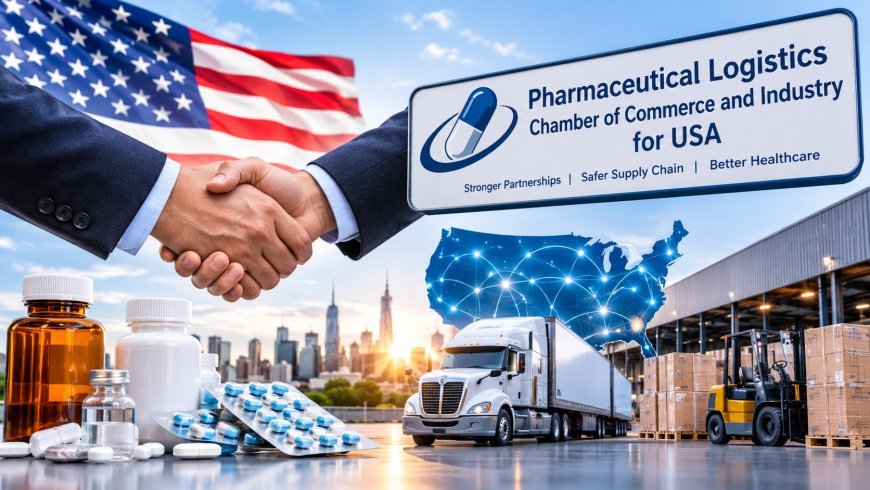
Strengthening the Pharmaceutical Supply Chain
The pharmaceutical industry depends on an efficient and dependable supply chain to ensure that medicines reach healthcare providers, pharmacies, hospitals, and patients safely. Unlike ordinary commercial products, pharmaceutical goods often require specialised storage, controlled transportation, accurate documentation, and careful handling. Even a minor disruption during distribution can affect product quality, business operations, and patient access to essential treatments.
In the United States, pharmaceutical logistics involves manufacturers, distributors, transportation companies, warehouse operators, regulatory professionals, and healthcare organisations. Cooperation among these stakeholders is essential for maintaining an organised distribution network. Industry associations and professional chambers can contribute by encouraging collaboration, sharing relevant information, and supporting responsible business practices.
Understanding Pharmaceutical Logistics in the United States
Pharmaceutical logistics refers to the planning, storage, movement, and delivery of medicines and healthcare products throughout the supply chain. It covers several activities, including inventory management, temperature-controlled transportation, warehouse operations, packaging, shipment tracking, and distribution documentation.
The United States has a complex pharmaceutical distribution system because products move through different organisations before reaching their final destinations. Each participant has responsibilities related to product safety, operational accuracy, and regulatory compliance.
An effective logistics strategy helps businesses minimise transportation delays, prevent unnecessary product losses, and maintain suitable storage conditions. It also improves coordination between manufacturers, wholesalers, healthcare facilities, and distribution partners.
Role of the Pharmaceutical Logistics Chamber of Commerce and Industry for USA
A professional industry organisation can provide an important platform for businesses involved in pharmaceutical transportation, warehousing, and distribution. The Pharmaceutical Logistics Chamber of Commerce and Industry for USA represents an industry-focused concept that emphasises professional cooperation, responsible logistics practices, and stronger commercial relationships.
Such an organisation can support industry participants by encouraging communication between businesses, sharing information about supply chain developments, and promoting awareness of relevant standards. It may also provide opportunities for networking, professional discussions, educational activities, and business partnerships.
However, an industry chamber should not be confused with a government regulatory authority. In the United States, organisations such as the Food and Drug Administration (FDA) establish and enforce applicable requirements within their legal responsibilities. Industry associations can help businesses understand their obligations, but membership does not replace regulatory approval, licensing, or compliance.
Importance of Temperature-Controlled Transportation
Temperature management is one of the most important aspects of pharmaceutical distribution. Certain medicines, vaccines, biological products, and specialised treatments require specific temperature conditions throughout transportation and storage.
Exposure to unsuitable temperatures may reduce product quality or compromise its effectiveness. Therefore, pharmaceutical logistics providers must use appropriate packaging, monitoring equipment, storage facilities, and transportation procedures.
Temperature-controlled supply chains commonly involve refrigerated vehicles, insulated containers, temperature sensors, and documented monitoring systems. Businesses should also establish procedures for responding to unexpected temperature changes during transportation.
Maintaining suitable conditions requires cooperation between manufacturers, warehouse operators, transport companies, and receiving facilities. Regular equipment inspections and employee training further strengthen product-handling practices.
Regulatory Awareness and Industry Standards
Pharmaceutical distribution in the United States operates within an established regulatory framework. Businesses must understand the requirements that apply to their specific activities, including manufacturing, storage, transportation, wholesale distribution, and product traceability.
The Drug Supply Chain Security Act (DSCSA) introduced important measures to improve the security and traceability of prescription drug distribution. Its requirements help eligible trading partners identify and trace certain prescription medicines as they move through the supply chain.
Companies should maintain accurate records, follow applicable procedures, and work with qualified business partners. Documentation, product identification, shipment information, and appropriate verification processes are important elements of responsible distribution.
Industry associations can contribute by promoting regulatory awareness and encouraging businesses to seek qualified compliance guidance when necessary.
Improving Supply Chain Efficiency Through Technology
Modern pharmaceutical logistics increasingly depends on digital tools to improve visibility, coordination, and operational performance. Technology allows businesses to monitor shipments, manage inventory, organise warehouse activities, and identify potential transportation problems.
Some commonly used solutions include:
-
Shipment tracking: Provides information about delivery progress and transportation status.
-
Inventory management: Helps businesses monitor available products and reduce stock-related problems.
-
Temperature monitoring: Records environmental conditions during storage and transportation.
-
Warehouse management systems: Improve product organisation, documentation, and order processing.
-
Data analytics: Helps identify operational weaknesses and improve future planning.
Technology can also improve communication between suppliers, distributors, and healthcare facilities. When businesses have accurate and timely information, they can respond more effectively to unexpected disruptions.
Building Stronger Relationships Across the Pharmaceutical Industry
Professional collaboration is essential for maintaining a dependable pharmaceutical distribution network. Manufacturers need reliable transportation providers, distributors require accurate product information, and healthcare facilities depend on timely deliveries.
Industry networking can help organisations establish valuable commercial relationships and exchange practical knowledge. Conferences, professional meetings, educational sessions, and business discussions provide opportunities to explore emerging challenges and potential solutions.
A chamber-based professional network can also encourage smaller logistics companies to connect with established industry participants. Sharing operational experiences may help businesses identify better practices, understand market developments, and improve their services.
Strong partnerships can support greater transparency, better communication, and improved coordination throughout the pharmaceutical supply chain.
Managing Risks in Pharmaceutical Distribution
Pharmaceutical logistics companies face several operational risks, including transportation delays, equipment failures, inaccurate documentation, inventory shortages, and unexpected supply chain interruptions.
Effective risk management begins with identifying potential problems before they affect product movement. Businesses should develop practical contingency plans, maintain suitable equipment, train employees, and establish clear communication procedures.
Working with qualified transportation and warehousing partners is equally important. Companies should evaluate service providers based on their capabilities, operational procedures, reliability, and ability to meet applicable requirements.
Regular performance reviews can help identify weaknesses and support continuous improvement.
Future Opportunities in the U.S. Pharmaceutical Logistics Sector
The pharmaceutical logistics sector continues to evolve as healthcare requirements, distribution technologies, and product complexities change. Growing demand for specialised medicines and temperature-sensitive treatments creates opportunities for businesses that can provide dependable logistics services.
Automation, advanced tracking systems, improved warehouse management, and data-driven planning may further transform pharmaceutical distribution. Companies that invest in appropriate technology and workforce development can strengthen their operational capabilities.
Sustainability is another developing consideration. Better route planning, energy-efficient storage facilities, and reduced packaging waste can help logistics providers improve resource efficiency while maintaining necessary product-handling standards.
Professional cooperation and informed business decisions will remain important as the industry adapts to future challenges.
Conclusion
Pharmaceutical logistics is a critical part of the American healthcare system because it supports the safe and organised movement of medicines from manufacturers to their intended destinations. Reliable transportation, appropriate storage, regulatory awareness, digital monitoring, and professional partnerships all contribute to an effective distribution network.
The Pharmaceutical Logistics Chamber of Commerce and Industry for USA highlights the value of industry collaboration, business development, and responsible supply chain practices. By prioritising operational quality, transparency, and continuous improvement, pharmaceutical logistics businesses can contribute to a stronger and more dependable healthcare distribution system.
Frequently Asked Questions (FAQs)
1. What is a pharmaceutical logistics chamber of commerce?
It refers to an industry-focused organization or professional network that supports businesses involved in pharmaceutical transportation, warehousing, distribution, and related commercial activities.
2. Why is pharmaceutical logistics important in the United States?
It helps ensure that medicines are transported, stored, and delivered under appropriate conditions while supporting product traceability, supply chain reliability, and access to healthcare products.
3. How can pharmaceutical logistics businesses improve their operations?
Businesses can improve performance through suitable storage facilities, temperature monitoring, digital tracking systems, trained employees, accurate documentation, and reliable distribution partnerships.
What's Your Reaction?
 Like
0
 Dislike
0
 Love
0
 Funny
0
 Angry
0
 Sad
0
 Wow
0