

























diabetes treatment & care services
Get expert diabetes treatment and care services in Pakistan. Manage blood sugar, prevent complications, and improve your health with professional medical care.

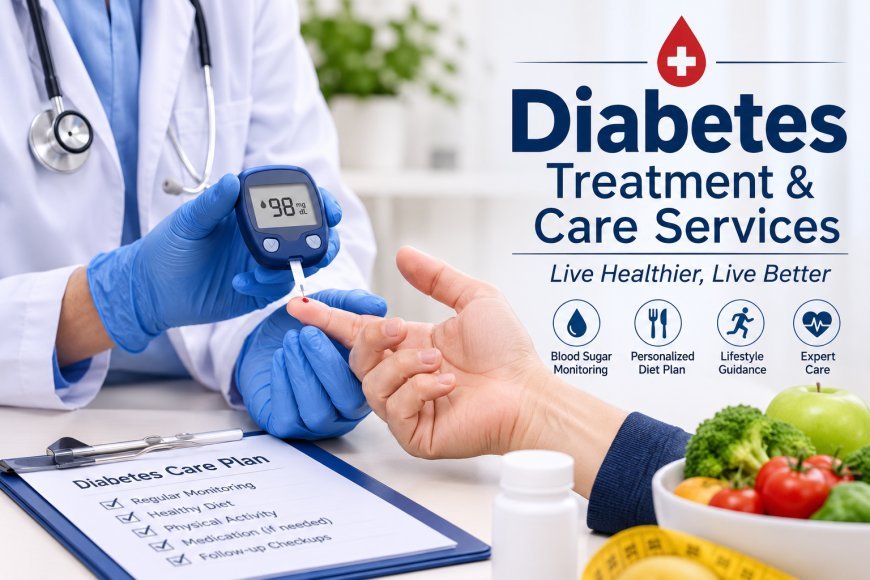
A Comprehensive Guide to Better Health
Explore diabetes treatment & care services for better blood sugar control, personalized treatment plans, expert guidance, and long-term health management.
Diabetes is a chronic health condition that affects how the body regulates blood glucose, commonly known as blood sugar. Without appropriate management, it can increase the risk of complications affecting the heart, kidneys, eyes, nerves, and other organs. However, timely diagnosis, individualized treatment, and consistent medical support can help people manage the condition and maintain a good quality of life.
Professional diabetes treatment & care services provide comprehensive support for individuals living with Type 1 diabetes, Type 2 diabetes, and other forms of the condition. These services combine medical assessments, medication management, nutritional counseling, glucose monitoring, and preventive care to address each patient's needs. Understanding the available treatment options helps patients make informed decisions and develop sustainable habits for long-term health.
Understanding Diabetes and Its Treatment Needs
Diabetes develops when the body does not produce enough insulin or cannot use insulin effectively. Insulin is a hormone that helps glucose move from the bloodstream into cells for energy. When this process is disrupted, blood sugar levels can rise above the healthy range.
Type 1 Diabetes
Type 1 diabetes is an autoimmune condition in which the immune system damages the insulin-producing cells of the pancreas. People with this condition require insulin therapy to survive. Treatment generally includes regular glucose monitoring, individualized insulin dosing, nutrition planning, and ongoing clinical supervision.
Type 2 Diabetes
Type 2 diabetes occurs when the body becomes resistant to insulin or cannot produce enough insulin to maintain normal blood glucose levels. Management may involve dietary improvements, physical activity, oral medications, injectable medicines, or insulin, depending on individual circumstances.
Gestational Diabetes
Gestational diabetes develops during pregnancy and requires careful monitoring to protect maternal and infant health. Treatment may include meal planning, physical activity approved by a healthcare professional, glucose testing, and medication when necessary. Follow-up screening after delivery is also important because gestational diabetes increases the future risk of Type 2 diabetes.
Essential Components of Diabetes Treatment & Care Services
Effective diabetes management involves more than lowering blood sugar. A coordinated care plan addresses current symptoms, long-term risks, lifestyle factors, and individual treatment goals.
Comprehensive Medical Assessment
Initial evaluations typically include a medical history, physical examination, blood pressure measurement, and appropriate laboratory tests. Healthcare professionals may assess HbA1c, which reflects average blood glucose over approximately three months, alongside kidney function, cholesterol levels, and other relevant indicators.
These findings help clinicians understand the patient's condition and recommend suitable treatment options.
Personalized Medication Management
Medication needs vary according to diabetes type, glucose levels, existing health conditions, and treatment response. Options may include insulin, metformin, GLP-1 receptor agonists, SGLT2 inhibitors, and other glucose-lowering medicines when clinically appropriate.
Healthcare professionals review medication effectiveness, possible side effects, interactions, and dosing requirements. Patients should never start, stop, or change prescribed diabetes medication without consulting their healthcare provider.
Blood Glucose Monitoring
Regular glucose monitoring helps patients understand how meals, exercise, stress, illness, and medication affect their blood sugar. Depending on the treatment plan, monitoring may involve a blood glucose meter or a continuous glucose monitoring system.
Patients using insulin or certain glucose-lowering medications may need additional guidance on recognizing and managing hypoglycemia, a condition in which blood sugar becomes dangerously low.
Lifestyle Support for Better Diabetes Management
Daily habits play an important role in controlling blood glucose and reducing the risk of complications. Professional guidance can help patients make realistic changes that fit their preferences, routines, and medical needs.
Nutrition and Meal Planning
A balanced eating plan emphasizes vegetables, whole grains, appropriate protein sources, healthy fats, and suitable portion sizes. Limiting sugary drinks and highly refined carbohydrates may also help improve glucose control.
A registered dietitian or qualified nutrition professional can develop a practical diabetes diet plan based on cultural food preferences, nutritional requirements, medication schedules, and personal health goals. Patients do not necessarily need to eliminate all carbohydrates; instead, understanding carbohydrate quality and portion sizes can support more consistent blood sugar management.
Physical Activity and Weight Management
Regular physical activity can improve insulin sensitivity, support cardiovascular health, and help maintain a healthy weight. Walking, cycling, swimming, and resistance exercises are potential options, depending on physical ability and medical circumstances.
Adults should generally aim for at least 150 minutes of moderate-intensity aerobic activity each week, unless their healthcare professional recommends a different approach. Gradual progress, appropriate footwear, and awareness of glucose changes can make exercise safer and more sustainable.
Preventing Complications Through Regular Monitoring
Long-term diabetes management requires routine screening because some complications develop gradually without obvious symptoms.
Eye, Kidney, and Foot Care
Recommended preventive assessments may include comprehensive dilated eye examinations, kidney function and urine albumin testing, and regular foot checks. These evaluations can help identify early signs of damage and allow timely intervention.
Patients should also report persistent numbness, foot wounds, changes in vision, or unusual swelling promptly. Daily foot inspections are particularly important for individuals with reduced sensation or circulation problems.
Cardiovascular Health
Diabetes can increase the risk of heart disease and stroke. Managing blood pressure, cholesterol, smoking, physical inactivity, and other cardiovascular risk factors is therefore an essential part of treatment.
A healthcare professional may recommend additional medicines or lifestyle interventions according to the patient's overall risk profile.
Choosing the Right Diabetes Care Provider
When evaluating diabetes management services, consider the provider's qualifications, range of clinical support, access to laboratory testing, and approach to individualized care.
Look for a healthcare team that communicates clearly, explains treatment options, and encourages patients to participate in decisions. Depending on individual needs, this team may include an endocrinologist, primary care physician, diabetes educator, dietitian, pharmacist, and eye or foot specialist.
Convenient appointments, accessible follow-up, and clear instructions for urgent situations can also improve continuity of care. Patients should understand whom to contact when glucose readings remain outside their target range or treatment-related concerns arise.
Conclusion
Comprehensive diabetes treatment & care services help individuals manage blood glucose, reduce the risk of complications, and make informed decisions about their health. Effective care combines appropriate medication, personalized nutrition, regular physical activity, routine screening, and ongoing professional guidance.
Because diabetes affects each person differently, treatment plans should be developed and reviewed with qualified healthcare professionals. With consistent monitoring, practical lifestyle adjustments, and timely medical support, many people can manage diabetes effectively and protect their long-term well-being.
Frequently Asked Questions
1. What do diabetes treatment and care services include?
These services may include diagnostic testing, medication management, glucose monitoring, nutritional counseling, lifestyle education, and screening for diabetes-related complications.
2. Can Type 2 diabetes be managed without medication?
Some people can initially manage Type 2 diabetes through nutrition changes, physical activity, and weight management. However, medication may be necessary, and treatment decisions should be made with a qualified healthcare professional.
3. How often should blood sugar levels be checked?
Monitoring frequency depends on diabetes type, prescribed medication, glucose stability, and individual circumstances. A healthcare professional can recommend an appropriate testing schedule.
4. What foods should people with diabetes eat?
A balanced diet can include vegetables, whole grains, lean proteins, legumes, fruit in appropriate portions, and unsaturated fats. Individual meal plans should account for nutritional needs, medication, and personal preferences.
5. Why are regular diabetes checkups important?
Routine checkups help assess glucose control, review medications, monitor cardiovascular risk factors, and identify potential eye, kidney, nerve, and foot complications before they progress.
What's Your Reaction?
 Like
0
 Dislike
0
 Love
0
 Funny
0
 Angry
0
 Sad
0
 Wow
0