

























Dark Spots on Face: Causes, Treatments, and How to Get Clear, Even-Toned Skin

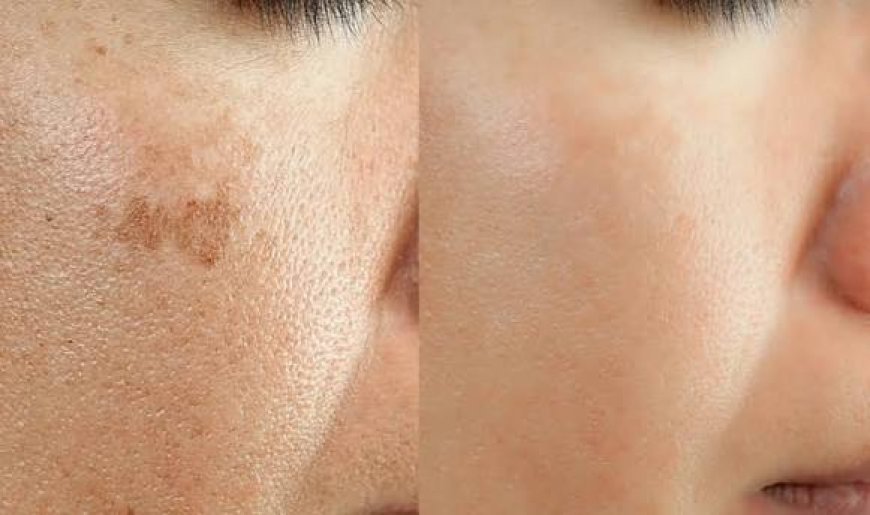
Dark spots on the face are one of the most common skincare concerns. Whether they appear as small brown marks, patches of discoloration, or dark areas left behind after acne, they can make your skin tone look uneven. These spots can develop at almost any age and affect people with different skin types.
The good news is that many types of dark spots can gradually fade with the right skincare routine, sun protection, and appropriate treatments. Understanding what causes them is the first step towards achieving healthier, brighter-looking skin.
In this guide, we will explore the common causes of dark spots, effective treatments, natural skincare practices, and daily habits that can help prevent further discoloration.
What Are Dark Spots on the Face?
Dark spots are areas of skin that appear darker than the surrounding skin. They develop when the skin produces excess melanin, the natural pigment responsible for skin colour.
This condition is commonly known as hyperpigmentation. Dark spots can vary in size, shape, and colour, ranging from light brown to dark brown.
Some spots develop after acne or skin irritation, while others appear because of sun exposure, hormonal changes, or ageing.
Although most dark spots are harmless, any spot that changes rapidly, develops irregular borders, bleeds, or looks different from your other spots should be examined by a dermatologist.
Common Causes of Dark Spots on the Face
Understanding the reason behind dark spots can help you choose the right treatment.
1. Sun Exposure
Sun exposure is one of the leading causes of facial pigmentation. Ultraviolet (UV) rays stimulate melanin production, which can result in dark spots, particularly on frequently exposed areas such as the forehead, cheeks, nose, and upper lip.
Over time, repeated exposure can cause sunspots, also called solar lentigines.
2. Acne and Pimples
Dark marks often remain after pimples, acne, or breakouts have healed. This condition is known as post-inflammatory hyperpigmentation (PIH).
Picking, squeezing, or scratching pimples can increase inflammation and make these marks darker. People with darker skin tones are particularly prone to developing post-acne pigmentation.
3. Hormonal Changes
Hormonal fluctuations can contribute to melasma, a pigmentation condition that causes brown or greyish-brown patches on the face.
It commonly appears on the cheeks, forehead, nose, and upper lip. Pregnancy, hormonal medications, and sun exposure can contribute to its development.
4. Ageing
As skin ages, years of sun exposure and natural changes in pigmentation can lead to age spots. These marks commonly appear on the face, hands, and other areas exposed to sunlight.
5. Skin Irritation
Harsh skincare products, unsuitable cosmetics, excessive exfoliation, and certain skin treatments can irritate the skin. Inflammation may trigger excess melanin production and leave dark marks behind.
Best Ingredients to Reduce Dark Spots
Choosing skincare products with suitable ingredients can help improve uneven skin tone.
Here are some commonly used ingredients:
Vitamin C: An antioxidant that helps brighten the appearance of skin and reduce the appearance of uneven pigmentation. It also helps protect against environmental oxidative stress.
Niacinamide: Also known as vitamin B3, niacinamide can help reduce the transfer of melanin to skin cells, improving the appearance of dark spots over time.
Alpha Arbutin: This ingredient helps reduce excess pigmentation by affecting tyrosinase, an enzyme involved in melanin production.
Azelaic Acid: Often recommended for acne-related pigmentation, azelaic acid can help improve uneven skin tone while also addressing acne.
Retinoids: Retinol and other retinoids encourage skin cell turnover and can gradually improve the appearance of pigmentation. They may cause irritation, so beginners should start slowly.
Glycolic Acid: This exfoliating ingredient helps remove dead skin cells from the skin's surface, improving texture and the appearance of superficial pigmentation.
Introduce active ingredients gradually rather than using several strong products together.
How to Remove Dark Spots from Face: A Daily Skincare Routine
Consistency is more important than using too many skincare products. A simple routine can help improve the appearance of dark spots.
Morning Skincare Routine
-
Gentle Cleanser: Wash your face with a mild cleanser to remove excess oil, dirt, and impurities.
-
Vitamin C Serum: Apply a suitable vitamin C serum to help brighten the skin.
-
Moisturiser: Use a moisturiser to maintain hydration and support the skin barrier.
-
Sunscreen: Apply broad-spectrum SPF 30 or higher every morning. Reapply every two hours when outdoors, especially after sweating or swimming.
Night Skincare Routine
-
Cleanse Your Face: Remove sunscreen, makeup, and daily impurities.
-
Apply a Treatment Serum: Choose one ingredient, such as niacinamide, azelaic acid, or retinol, depending on your skin concerns.
-
Moisturise: Finish with a suitable moisturiser to keep your skin comfortable and hydrated.
Avoid introducing multiple active ingredients at once, as this can cause irritation and potentially worsen pigmentation.
Home Remedies for Dark Spots: What Actually Helps?
Many people prefer natural skincare practices, but not every home remedy is suitable for facial skin.
Here are some safer options:
-
Aloe Vera: Aloe vera gel can provide a soothing and hydrating effect. However, evidence that it reliably removes dark spots is limited.
-
Green Tea: Green tea contains antioxidants and may help support healthy-looking skin. It is not a proven treatment for established pigmentation.
-
Honey: Honey can act as a moisturising ingredient and help keep skin soft, but it does not reliably remove dark spots.
-
Gentle Skincare: Avoid harsh scrubbing and aggressive exfoliation, which can worsen pigmentation.
Always patch-test new products before applying them to your face.
Avoid using lemon juice, baking soda, toothpaste, or undiluted essential oils on facial skin. These can cause irritation, burns, or additional pigmentation.
How to Prevent Dark Spots on the Face
Preventing new pigmentation is just as important as treating existing marks.
Follow these simple habits:
-
Apply sunscreen every morning, even on cloudy days.
-
Wear a wide-brimmed hat when spending time outdoors.
-
Avoid picking pimples or scratching irritated skin.
-
Use gentle skincare products suitable for your skin type.
-
Avoid excessive exfoliation.
-
Keep your skin moisturised.
-
Reapply sunscreen regularly during outdoor activities.
In sunny climates such as Pakistan, daily sun protection is especially important because regular UV exposure can make pigmentation more noticeable.
How Long Does It Take for Dark Spots to Fade?
Dark spots do not disappear overnight. The time required depends on their cause, depth, and severity.
Mild post-acne pigmentation may improve within several months, while deeper pigmentation and melasma can take longer and may require professional treatment.
Some sunspots may respond to prescription treatments or dermatological procedures. However, not all pigmentation responds to the same approach.
If dark spots persist despite consistent skincare, consult a qualified dermatologist. Treatments such as chemical peels, prescription creams, and certain laser procedures may be considered after identifying the type of pigmentation.
Final Thoughts
Dark spots on the face can develop for several reasons, including sun exposure, acne, hormonal changes, and skin irritation. Although they can be frustrating, the right skincare routine can gradually improve uneven skin tone.
Focus on gentle cleansing, suitable brightening ingredients, regular moisturising, and daily sunscreen. Avoid harsh home remedies and give your skin enough time to respond to treatment.
Remember, healthy skin does not need to be completely spotless. Consistent care and protecting your skin from further damage are the keys to maintaining a healthy, naturally radiant appearance.
Frequently Asked Questions (FAQs)
1. What is the main cause of dark spots on the face?
Sun exposure is a major cause, but acne, hormonal changes, ageing, and skin irritation can also contribute to dark spots.
2. Which ingredient is best for dark spots?
Vitamin C, niacinamide, azelaic acid, and alpha arbutin are popular ingredients for improving the appearance of pigmentation.
3. Can dark spots disappear naturally?
Some dark spots, particularly mild post-acne marks, can gradually fade over time. Sun protection can help prevent them from becoming darker.
4. Does sunscreen help reduce dark spots?
Yes. Regular sunscreen use helps prevent UV-related pigmentation from developing or becoming darker and supports the effectiveness of other pigmentation treatments.
5. Can I use vitamin C and niacinamide together?
Yes. These ingredients can generally be used together and may complement each other in a skincare routine. Start with suitable concentrations and monitor your skin for irritation.
What's Your Reaction?
 Like
0
 Dislike
0
 Love
0
 Funny
0
 Angry
0
 Sad
0
 Wow
0