


























When Do You Need House Rewiring, Electrical Installation, or Electrical Upgrades?
Explore house rewiring, new construction wiring, remodel wiring, and electrical upgrades to understand the right electrical solutions for your property.

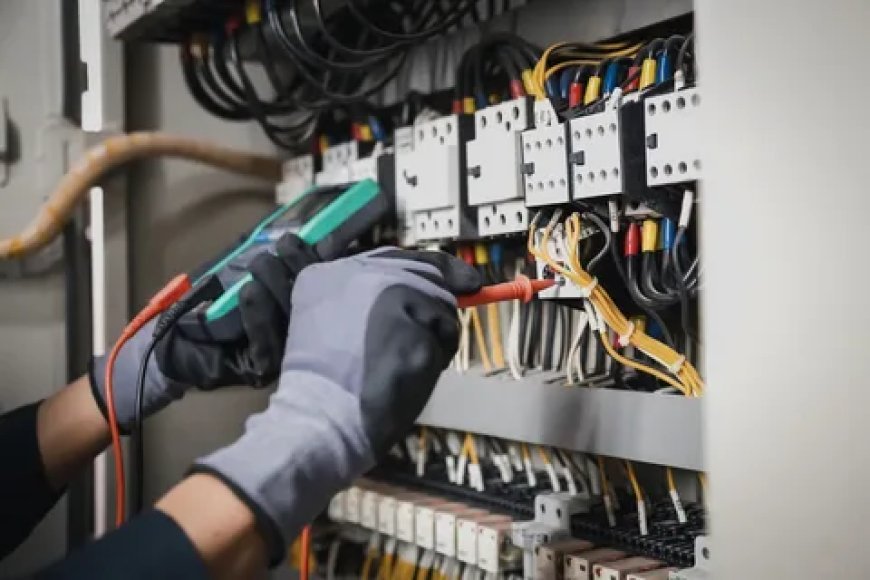
A reliable electrical system is essential for the safety and everyday operation of residential and commercial properties. Whether you are building a new home, renovating an existing space, or replacing outdated wiring, proper electrical planning helps ensure that your property can support its power requirements. Professional Electrical Wiring and installation are important parts of creating and maintaining a functional electrical system.
Barneys Electric helps property owners understand their electrical service needs, from new construction wiring to house rewiring and electrical upgrades. Knowing which electrical work your property requires can help you plan projects more effectively and avoid unnecessary modifications.
Why Is Professional Electrical Wiring Important?
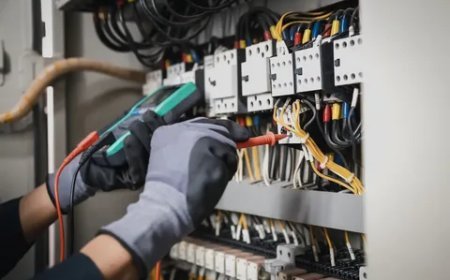
Electrical wiring distributes electricity throughout a building and connects the power supply to outlets, switches, lighting, appliances, and other equipment. Incorrect wiring, deteriorating connections, or an inadequate electrical layout can cause performance issues and potential safety hazards.
Professional electrical wiring involves selecting appropriate wiring materials, planning circuit routes, and installing electrical components according to the building's requirements and applicable codes.
Common electrical wiring work includes:
-
Installing wiring for residential and commercial buildings.
-
Connecting outlets, switches, and lighting fixtures.
-
Planning electrical circuits for appliances and equipment.
-
Installing wiring for electrical panels and distribution systems.
-
Replacing damaged or outdated electrical wiring.
-
Preparing electrical systems for renovations and expansions.
The correct wiring approach depends on the property's layout, electrical load, construction stage, and intended use.
When Should You Consider House Rewiring?
House Rewiring involves replacing some or all of the existing electrical wiring in a residential property. Older wiring, damaged connections, and electrical systems that cannot support modern household demands may require professional evaluation.
Homeowners should consider a wiring assessment when they notice:
-
Frequently tripping circuit breakers.
-
Persistent flickering or inconsistent lighting.
-
Damaged or deteriorating visible wires.
-
Outlets or switches that show signs of damage.
-
Electrical interruptions affecting multiple rooms.
-
An older electrical system that may not meet current household requirements.
Partial House Rewiring
Partial house rewiring involves replacing wiring in specific rooms, circuits, or sections of a property. It may be suitable when electrical problems are limited to certain areas.
Complete House Rewiring
Complete house rewiring replaces the existing wiring throughout the home. This may be recommended when the electrical system has widespread deterioration or cannot adequately support the property's requirements.
A qualified electrician should inspect the existing wiring before deciding whether partial or complete rewiring is appropriate.
What Is Included in New Construction Wiring?
New Construction Wiring is the process of installing electrical wiring in a building while it is being constructed. Planning the electrical layout early allows wiring routes, outlets, switches, lighting connections, and electrical panels to be coordinated with the building design.
Residential new construction wiring may include:
-
Electrical circuit planning for individual rooms.
-
Wiring pathways through walls and ceilings.
-
Outlet and switch placement.
-
Lighting fixture connections.
-
Electrical panel and circuit installation.
-
Dedicated circuits for selected appliances.
Commercial new construction wiring may require additional planning for office equipment, specialized machinery, lighting systems, and other business electrical requirements.
Proper coordination between electrical work and other construction activities is important. Wiring installation should follow the approved project plans and applicable electrical codes.
How Does Remodel Wiring Support Home and Business Renovations?
Renovation projects often change how a building is used. A kitchen remodel, room addition, office renovation, or commercial space redesign may require modifications to the existing electrical system.
Remodel Wiring involves updating, extending, relocating, or replacing electrical wiring to accommodate changes in the property.
Common remodel wiring projects include:
-
Relocating electrical outlets and switches.
-
Adding lighting connections to renovated rooms.
-
Extending circuits for new appliances.
-
Updating wiring in older sections of a building.
-
Installing additional electrical connections.
-
Modifying electrical layouts during room additions.
Before starting a renovation, the existing electrical system should be evaluated. This helps identify whether the current wiring can support the planned changes or whether additional circuits and electrical upgrades are necessary.
Why Is Professional Electrical Installation Necessary?
Electrical Installation involves setting up electrical components and connecting them to the property's electrical system. It may be required during new construction, renovations, equipment additions, or electrical system improvements.
Residential electrical installation may include outlets, switches, lighting fixtures, electrical panels, and dedicated appliance circuits.
Commercial electrical installation can involve power connections for office equipment, business lighting, electrical distribution systems, and other building components.
Professional installation helps ensure that electrical components are selected and connected according to the project's requirements.
An electrical installation project may involve:
-
Reviewing the property's electrical requirements.
-
Planning suitable wiring routes and circuit locations.
-
Selecting compatible electrical components.
-
Installing wiring and electrical equipment.
-
Checking connections and system operation.
-
Completing required inspections and testing.
Electrical installation should be completed by appropriately qualified professionals in accordance with applicable local requirements.
When Should You Invest in Electrical Upgrades?
Electrical Upgrades involve improving existing electrical components or systems to accommodate changing property requirements. Homes and commercial buildings may need upgrades when electrical demand increases or existing equipment becomes outdated.
Some common reasons to consider electrical upgrades include:
-
Adding new appliances or electrical equipment.
-
Increasing the number of outlets in a property.
-
Updating an outdated electrical panel.
-
Installing additional circuits.
-
Improving lighting systems.
-
Preparing a property for renovation or expansion.
-
Addressing electrical capacity limitations.
Residential Electrical Upgrades
Homeowners may need electrical upgrades when adding modern appliances, renovating rooms, improving lighting, or increasing the property's electrical requirements.
Commercial Electrical Upgrades
Businesses may require electrical upgrades when installing new equipment, expanding workspaces, modifying office layouts, or changing operational requirements.
An electrician can evaluate the existing electrical system and determine which improvements are necessary. Not every property needs a complete electrical replacement; sometimes targeted upgrades are sufficient.
What Is the Difference Between New Wiring, Remodel Wiring, and House Rewiring?
These electrical services may involve similar materials and installation methods, but they serve different project needs.
| Electrical Service | Main Purpose |
|---|---|
| House Rewiring | Replaces existing wiring in part or all of a home. |
| Electrical Wiring | Installs or modifies wiring that distributes electricity throughout a building. |
| New Construction Wiring | Installs wiring during the construction of a new property. |
| Remodel Wiring | Modifies existing wiring to support renovation work. |
| Electrical Installation | Installs electrical components and connects them to the system. |
| Electrical Upgrades | Improves existing electrical components or system capacity. |
Understanding these differences helps property owners identify the right type of electrical work before starting a project.
Why Choose Barneys Electric for Electrical Wiring and Installation?
Electrical projects require proper planning, suitable materials, and attention to the property's power requirements. Whether you are constructing a new building, renovating an existing space, or addressing outdated wiring, the electrical work should match your project's needs.
Barneys Electric can help customers understand their electrical service requirements for residential and commercial properties. From electrical wiring and installation to house rewiring and system upgrades, choosing an appropriate solution is important for long-term electrical performance.
If you are planning new construction, remodeling a property, or considering electrical improvements, contact Barneys Electric to discuss your project and determine the electrical work required.
Frequently Asked Questions
1. How do I know if my house needs rewiring?
Damaged wiring, recurring electrical problems, deteriorating components, and an electrical system that cannot support household requirements may indicate a need for professional evaluation.
2. What is included in new construction wiring?
New construction wiring may include circuit planning, wiring installation, outlets, switches, lighting connections, and electrical panel installation.
3. Does remodeling require new electrical wiring?
Not every renovation requires new wiring. However, relocating outlets, adding appliances, or changing room layouts may require wiring modifications or additional circuits.
4. What are common electrical upgrades for homes?
Common upgrades include additional circuits, electrical panel improvements, new outlets, updated lighting, and wiring improvements.
5. How long does house rewiring take?
The timeline depends on property size, existing wiring conditions, accessibility, and whether partial or complete rewiring is required.
What's Your Reaction?
 Like
0
 Dislike
0
 Love
0
 Funny
0
 Angry
0
 Sad
0
 Wow
0