

























Residential Hidden Listening Device Services: How Do Professional Inspections Work?

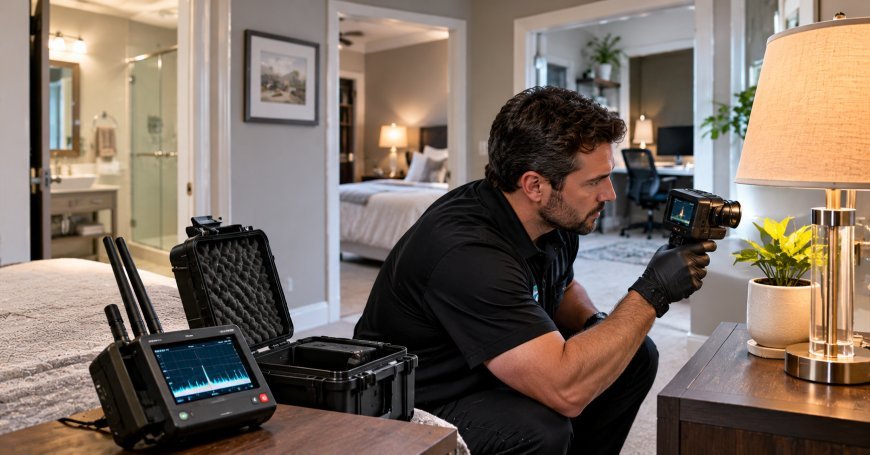
Privacy is an important part of feeling safe and comfortable in your own home. However, concerns about unauthorized surveillance and hidden recording equipment can make homeowners question whether their private conversations and personal spaces are truly secure. Professional security inspections help address these concerns through specialized detection equipment and systematic examination techniques. Residential hidden listening device services provide homeowners with a professional approach to identifying potential eavesdropping devices and protecting sensitive household information.
Understanding how these inspections work can help homeowners make informed decisions about residential security and recognize when professional assistance may be necessary.
What Are Residential Hidden Listening Device Services?
Residential hidden listening device services involve professional inspections designed to identify unauthorized audio surveillance equipment inside homes. These inspections are commonly performed by trained security specialists who understand different types of listening devices and the technologies used to detect them.
Hidden listening equipment can take different forms, including miniature microphones, wireless transmitters, and recording devices concealed within ordinary household objects. Some devices may transmit audio signals, while others store recordings for later retrieval.
Professional inspections focus on examining areas where unauthorized surveillance equipment could potentially be installed. The objective is to identify suspicious devices, investigate possible security vulnerabilities, and provide homeowners with greater confidence in their privacy.
How Do Professional Residential Inspections Work?
A professional inspection generally follows a structured process. Security specialists evaluate the property, use appropriate detection equipment, and investigate suspicious findings.
1. Initial Security Consultation
The process usually begins with a discussion about the homeowner's concerns and security requirements. Professionals may ask about unusual observations, recent property access, or specific rooms that require additional attention.
This consultation helps establish the inspection's scope and allows specialists to develop an appropriate assessment plan.
2. Physical Property Inspection
The next step involves examining different areas of the property. Specialists may inspect bedrooms, living rooms, home offices, meeting spaces, and other locations where private conversations regularly take place.
They look for unusual modifications, unfamiliar electronic objects, suspicious wiring, and other physical indicators that may require further investigation.
3. Electronic Detection Equipment
Professional inspectors may use specialized electronic equipment to identify potential surveillance technology.
Depending on the circumstances, inspection tools can include:
-
Radio Frequency (RF) Detectors: These devices help identify certain wireless transmissions associated with electronic equipment.
-
Non-Linear Junction Detectors: These tools can help locate electronic components, including devices that are not actively transmitting signals.
-
Spectrum Analyzers: These instruments help specialists examine radio frequency activity and investigate unusual signals.
-
Thermal Imaging Equipment: Thermal cameras can help identify unusual heat patterns that may justify additional investigation.
No single detection tool can identify every type of listening device. Professional inspectors use multiple methods to improve the reliability of their assessments.
4. Investigation of Suspicious Findings
If specialists identify an unusual signal or physical object, they investigate it further to determine whether it represents a genuine security concern.
Ordinary household electronics, wireless networks, and other legitimate equipment can produce signals that may initially appear unusual. Professional experience helps distinguish normal electronic activity from potential surveillance-related findings.
5. Inspection Report and Recommendations
After completing the assessment, professionals explain their findings and provide recommendations.
Depending on the inspection results, the report may identify suspicious equipment, areas requiring further examination, and practical steps for improving residential privacy.
This final stage helps homeowners understand their property's security condition and determine whether additional action is necessary.
What Types of Hidden Listening Devices Can Professionals Detect?
Modern surveillance equipment comes in different sizes and designs. Some devices are specifically manufactured for discreet recording, while others may be modified electronic products.
Professional inspectors may investigate several categories of equipment.
Wireless Listening Devices
Wireless listening devices can transmit captured audio through radio frequency signals or other communication technologies. Some operate continuously, while others activate under specific conditions.
RF detection equipment can help identify certain active transmissions, although devices that are switched off or not transmitting may require different inspection methods.
Wired Microphones
Wired microphones may connect to separate recording equipment or other electronic systems. These devices do not necessarily transmit wireless signals, making physical inspection and electronic component detection particularly important.
Voice-Activated Recording Devices
Some recording equipment activates when it detects sound. These devices may remain inactive for extended periods and only begin recording when particular conditions are met.
A combination of physical examination and suitable detection methods can help specialists investigate suspicious electronic equipment.
Miniature Recording Equipment
Small recording devices may be concealed within ordinary-looking objects or electronic accessories. Their compact construction can make them difficult to recognize without careful examination.
Professional inspections consider the property's layout, electronic environment, and potential surveillance risks when investigating such concerns.
Why Should Homeowners Consider Professional Inspections?
Residential privacy involves more than protecting doors, windows, and entry points. It also includes safeguarding personal conversations and confidential information.
There are several reasons homeowners may consider professional security inspections.
Protecting Personal Conversations: Families often discuss private matters at home. An inspection can help investigate concerns about unauthorized audio monitoring.
Safeguarding Confidential Information: Homeowners who regularly handle financial, legal, or business information may want additional reassurance about their private spaces.
Improving Residential Security: A professional assessment can reveal unusual electronic equipment or other potential security weaknesses that deserve attention.
Supporting Peace of Mind: Uncertainty about possible surveillance can create unnecessary stress. A documented professional inspection can help homeowners better understand their security situation.
Investigating Suspicious Activity: Unexplained electronic equipment, unfamiliar objects, or concerns following unauthorized property access may justify a professional assessment.
Can You Detect Hidden Listening Devices Without Professional Help?
Homeowners can remain aware of unfamiliar objects and unexpected changes within their properties. However, identifying sophisticated surveillance equipment without specialized knowledge can be challenging.
Basic consumer detection products may identify some active wireless signals, but they can also produce false alerts from ordinary electronic devices. They may not detect inactive recording equipment, wired microphones, or devices that use different communication methods.
Professional inspectors have access to more specialized equipment and understand how to interpret its findings. They can also examine the property systematically instead of relying on one detection method.
For these reasons, professional assistance is generally more suitable when homeowners have serious privacy concerns or need a comprehensive assessment.
How to Choose a Reliable Residential Inspection Company
Selecting an experienced inspection provider is important because the quality of the assessment depends on the specialist's knowledge, equipment, and approach.
Consider the following factors before hiring a company:
Technical Experience
Look for professionals with relevant experience in technical surveillance countermeasures (TSCM). This field involves specialized methods for identifying and investigating unauthorized electronic surveillance.
Professional Equipment
A reliable provider should explain which inspection technologies they use and how those tools contribute to the assessment.
Clear Inspection Process
Choose a company that provides a structured inspection rather than making unsupported claims about detecting every possible device.
Confidentiality
Residential security inspections may involve sensitive personal information. Make sure the provider follows appropriate confidentiality practices and respects your property's privacy.
Detailed Reporting
A professional company should communicate its findings clearly and explain whether any additional investigation or security improvements are recommended.
Frequently Asked Questions
1. How long does a residential hidden listening device inspection take?
The duration depends on property size, the number of rooms, the inspection requirements, and any suspicious findings that require additional investigation.
2. Can professional inspectors detect inactive listening devices?
Some specialized tools can help identify electronic components even when devices are not transmitting. However, detection capabilities depend on the equipment, device construction, and inspection conditions.
3. Are hidden listening devices always wireless?
No. Some listening devices transmit information wirelessly, while others use wired connections or internal storage.
4. How often should homeowners arrange a security inspection?
There is no universal inspection schedule. Homeowners may consider an assessment when they notice suspicious activity, experience unauthorized property access, or have specific privacy concerns.
5. Are professional residential inspections confidential?
Reputable providers should follow clear confidentiality procedures and handle property information and inspection findings responsibly.
Final Thoughts
Protecting residential privacy requires awareness, appropriate security measures, and access to reliable professional assistance when concerns arise. Hidden listening devices can vary significantly in design and functionality, which makes identifying them a specialized task.
Professional inspections combine physical assessments, electronic detection technologies, and experienced investigation methods to evaluate potential surveillance risks. By understanding the inspection process and selecting a qualified provider, homeowners can take practical steps toward protecting their private spaces and confidential conversations.
What's Your Reaction?
 Like
0
 Dislike
0
 Love
0
 Funny
0
 Angry
0
 Sad
0
 Wow
0