
























Dallas Stem Cell Center: Exploring Orthopedic Regenerative Medicine for Modern Joint Care

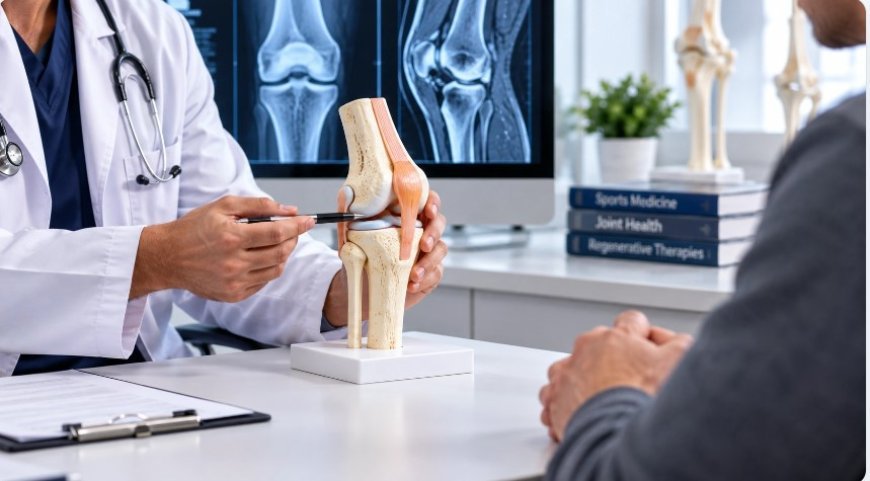
Living with joint pain, stiffness, or an orthopedic injury can affect everyday activities, exercise, work, and overall quality of life. Dallas Stem Cell Center focuses on regenerative and orthopedic care for individuals who want to understand emerging options for musculoskeletal conditions. One area receiving considerable research attention is orthopedic regenerative medicine, a field that explores biological approaches intended to support the body's natural healing and tissue-repair processes.
Understanding Orthopedic Regenerative Medicine
Orthopedic regenerative medicine refers to a developing area of medicine that investigates biological approaches for musculoskeletal problems involving joints, tendons, ligaments, cartilage, and other tissues. Rather than focusing only on managing symptoms, regenerative medicine research explores whether biological materials or cell-based approaches may influence healing, inflammation, tissue function, or recovery.
The field can involve different types of regenerative approaches, and the specific treatment being considered depends on the patient's condition, medical history, and clinical evaluation. Research into these therapies continues to develop, and results can vary according to the condition, treatment method, preparation, and individual patient.
For patients researching regenerative care, understanding what is established, what is being studied, and what remains uncertain is an important part of making an informed healthcare decision.
What Is Dallas Stem Cell Center?
Dallas Stem Cell Center is focused on helping individuals explore regenerative approaches for orthopedic concerns. The center's approach can begin with understanding the patient's symptoms, medical history, physical limitations, previous treatments, and personal goals.
Every orthopedic condition is different. Knee discomfort, shoulder problems, hip pain, tendon injuries, and other musculoskeletal concerns can have different underlying causes. Because of these differences, a personalized evaluation is important before determining whether a particular regenerative approach is appropriate to discuss.
Dallas Stem Cell Center can help patients learn more about regenerative medicine concepts, potential treatment considerations, and the questions they should discuss with a qualified healthcare professional.
Conditions Associated With Orthopedic Regenerative Research
Research involving orthopedic regenerative medicine has examined a variety of musculoskeletal conditions. These include osteoarthritis, cartilage-related problems, tendon injuries, ligament concerns, and other orthopedic conditions.
Knee osteoarthritis is one area receiving substantial research attention. Recent systematic reviews of randomized clinical trials have reported improvements in some pain and functional measures following certain mesenchymal stromal cell approaches, while also emphasizing differences between studies and the need for additional standardized research.
This distinction is important. Research findings do not mean that every regenerative treatment will work for every patient. Outcomes can depend on the type of therapy, preparation, administration method, condition being treated, and characteristics of the individual receiving care.
How Regenerative Medicine Differs From Conventional Orthopedic Care
Traditional orthopedic care can include physical therapy, exercise-based rehabilitation, medications, injections, lifestyle modifications, and surgical procedures when clinically appropriate. Regenerative medicine represents another area of investigation that focuses on biological approaches to tissue health and repair.
The goal of discussing regenerative options is not necessarily to replace established orthopedic care. Instead, patients may explore available approaches based on their specific circumstances and the recommendations of their healthcare provider.
A responsible treatment discussion should consider the diagnosis, severity of the condition, previous treatment history, expected benefits, possible risks, alternatives, and current evidence.
Why Patient Evaluation Matters
A thorough evaluation is an important part of responsible orthopedic care. Before discussing orthopedic regenerative medicine, a healthcare professional may consider the location and duration of symptoms, previous injuries, imaging results, medications, existing medical conditions, and previous treatments.
This information can help determine whether regenerative medicine is relevant to the patient's situation or whether another treatment approach may be more appropriate.
Patient education is equally important. Individuals should understand what a proposed therapy is, how it is administered, what evidence supports its use, what risks may exist, and whether the specific product or procedure has the appropriate regulatory status.
Understanding the Evidence and Limitations
Regenerative medicine is an active area of medical research, but not every therapy promoted under the term "regenerative" has the same level of scientific evidence. The FDA explains that regenerative medicine includes areas such as cell therapy, therapeutic tissue engineering products, and certain human cell and tissue products.
The FDA also specifically warns that regenerative medicine products marketed for orthopedic conditions may not have FDA approval for those uses. Patients should therefore distinguish between a treatment being researched, a treatment being used in a clinical setting, and a treatment that has received FDA approval for a particular indication.
This makes transparent communication especially important for anyone considering regenerative orthopedic care.
A Personalized Approach to Orthopedic Care
There is no single regenerative approach that is appropriate for every orthopedic condition. A patient's age, activity level, diagnosis, symptom history, previous treatment, and overall health can all influence the discussion.
At Dallas Stem Cell Center, patients exploring regenerative options can focus on understanding their individual circumstances rather than assuming that one treatment is suitable for everyone. A personalized consultation provides an opportunity to discuss symptoms, available options, potential limitations, and realistic expectations.
This patient-centered approach can also help individuals understand when conventional treatment, rehabilitation, additional diagnostic testing, or referral to another orthopedic specialist may be appropriate.
Questions Patients Should Ask
Anyone researching orthopedic regenerative medicine should consider asking detailed questions before proceeding with any treatment. Important questions include:
What specific condition is the treatment intended to address? What type of regenerative product or procedure is being considered? What clinical evidence supports its use for that particular condition? What are the potential risks and side effects? Are there established alternatives? What does the recovery process involve? Is the treatment FDA-approved for the proposed use?
Patients should also ask whether a procedure is part of an appropriately regulated clinical trial when applicable. The FDA recommends that consumers investigate the regulatory status of regenerative medicine products and be cautious about claims that are not supported by appropriate evidence.
The Future of Orthopedic Regenerative Medicine
Scientific research continues to examine how regenerative approaches may be used in musculoskeletal medicine. Researchers are studying cell-based therapies, tissue engineering, biological signaling, and other approaches designed to better understand tissue repair and recovery.
Recent research demonstrates both the potential and the limitations of the field. For example, a 2026 systematic review of randomized trials involving mesenchymal stem-cell approaches for knee osteoarthritis found improvements in several pain and functional outcomes but did not find consistent evidence of structural improvement on MRI. The researchers also noted variation among treatment preparations and the need for larger, standardized studies.
These findings highlight why ongoing research and individualized medical assessment remain important.
Conclusion
Dallas Stem Cell Center provides a place for individuals interested in learning more about regenerative approaches to orthopedic care. Orthopedic regenerative medicine is a developing field that investigates biological strategies for musculoskeletal conditions, with research continuing into its potential applications, benefits, limitations, and safety.
For patients considering regenerative care, the most important step is informed decision-making based on an appropriate medical evaluation and reliable evidence. Understanding the diagnosis, treatment options, potential risks, current research, and regulatory status can help patients have more productive conversations with healthcare professionals.
As research progresses, Dallas Stem Cell Center can serve as a resource for individuals seeking information about regenerative orthopedic approaches while keeping patient-specific needs, realistic expectations, and responsible medical decision-making at the center of the discussion.
What's Your Reaction?
 Like
0
Like
0
 Dislike
0
Dislike
0
 Love
0
Love
0
 Funny
0
Funny
0
 Angry
0
Angry
0
 Sad
0
Sad
0
 Wow
0
Wow
0