
















Designing Bespoke Engagement Rings: Important Details to Consider Before You Begin
Discover how to design bespoke engagement rings, from choosing the perfect diamond and setting to selecting metals and creating a meaningful, personalised design.

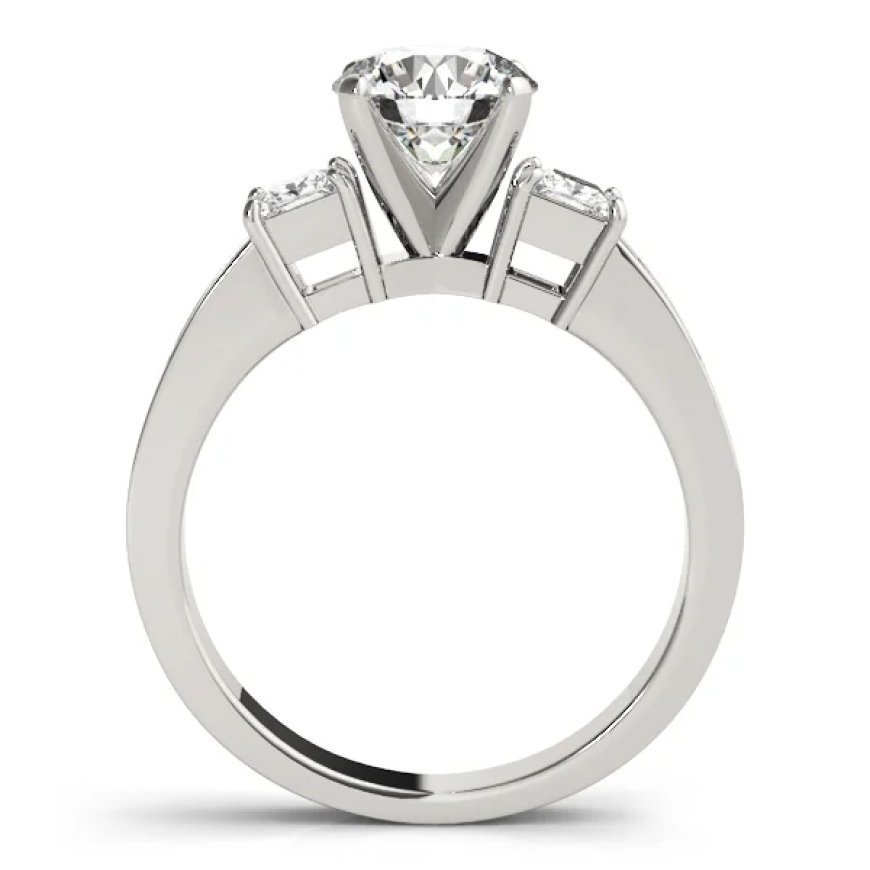
An engagement ring is more than a beautiful piece of jewellery; it represents love, commitment and the beginning of a new chapter. While traditional designs have their charm, many couples today prefer bespoke engagement rings that reflect their individual personalities, relationship and style. Creating a ring from scratch gives you the freedom to choose everything, from the diamond and precious metal to the setting and smallest decorative details.
However, designing a personalised ring requires careful thought and planning. Whether you are considering custom engagement rings or exploring unique designs, understanding the essential details beforehand can make the experience much easier. With expert guidance from jewellers such as Diamour Jewellers, you can turn your ideas into a meaningful piece that lasts a lifetime.
Quick Summary
● Decide on a design that reflects your partner's personality and lifestyle.
● Choose the right diamond by considering the 4Cs: cut, colour, clarity and carat.
● Select a precious metal that complements the diamond and suits everyday wear.
● Understand different ring settings, styles and customisation options.
● Work with experienced jewellers to ensure quality craftsmanship and a comfortable fit.
Why Choose Bespoke Engagement Rings?
One of the biggest advantages of bespoke jewellery is the freedom to create something genuinely personal. Instead of choosing from ready-made collections, you can participate in every stage of the design process.
Bespoke engagement rings also allow you to incorporate meaningful details. You might choose a particular diamond shape, add an engraved message or include a small gemstone that represents a special memory.
For couples who want something different from conventional jewellery, bespoke designs offer:
● Personalisation: Every detail can reflect your preferences.
● Design flexibility: You can combine traditional and contemporary elements.
● Unique craftsmanship: Your ring is created according to your chosen specifications.
● Meaningful details: Engravings and gemstone choices can add sentimental value.
Important Factors to Consider Before Designing Your Own Engagement Ring
Before starting the design process, consider the following factors to ensure your finished ring is both beautiful and practical.
1. Choose the Right Diamond
The centre diamond is often the main attraction of an engagement ring. Understanding the 4Cs helps you make an informed decision.
● Cut: Determines how effectively the diamond reflects light.
● Colour: Measures how colourless the diamond appears.
● Clarity: Refers to natural inclusions and blemishes.
● Carat: Represents the diamond's weight, rather than its physical size alone.
Round brilliant diamonds are popular for their sparkle, while oval, pear, emerald and princess cuts offer distinctive alternatives.
When exploring bespoke diamond rings, consider your preferred diamond shape, budget and overall design before making a final choice.
2. Select a Suitable Precious Metal
The metal influences the ring's appearance, durability and maintenance requirements.
Popular choices include:
● Platinum: Naturally white, durable and suitable for everyday jewellery.
● White Gold: Offers a bright, contemporary appearance.
● Yellow Gold: Provides a traditional and warm finish.
● Rose Gold: Creates a romantic look with its subtle pink tone.
Consider your partner's existing jewellery collection to identify which metal they are most likely to enjoy wearing.
3. Explore Different Ring Settings
The setting holds the diamond securely while influencing its overall appearance.
Some popular options include:
● Solitaire: Features a single centre diamond for a timeless look.
● Halo: Surrounds the centre stone with smaller diamonds for additional sparkle.
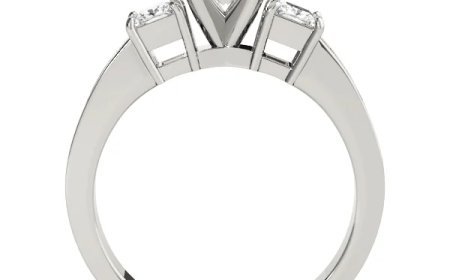
● Three-Stone: Represents the past, present and future.
● Pavé: Uses small diamonds along the band for extra brilliance.
● Bezel: Surrounds the diamond with a protective metal rim.
Your choice should balance appearance, comfort and practicality.
4. Consider Your Partner's Lifestyle
An engagement ring should look beautiful while remaining comfortable for everyday use.
If your partner has an active lifestyle or works frequently with their hands, a lower-profile setting or protective bezel design may be more practical than a high-set diamond.
Also consider the ring's band width, stone security and maintenance requirements before finalising the design.
5. Set a Realistic Budget
Custom jewellery does not necessarily mean spending beyond your means. Establishing a budget early helps narrow down your choices.
The final price generally depends on the diamond's quality, metal selection, design complexity and craftsmanship.
Discuss your budget openly with your jeweller. An experienced professional can suggest suitable alternatives without compromising the overall appearance of your ring.
Handmade Engagement Rings: Why Craftsmanship Matters
The beauty of Handmade Engagement Rings lies in the attention given to individual details. Unlike mass-produced jewellery, handcrafted designs involve skilled workmanship and careful finishing.
An experienced jeweller considers the proportions of the diamond, the strength of the setting, the smoothness of the band and the overall comfort of the ring.
Before placing an order, ask about:
● The jeweller's experience and previous designs.
● Diamond grading reports and certification.
● Metal quality and hallmarking.
● Quality checks before delivery.
● Resizing, cleaning and aftercare services.
These details help you make a confident decision and ensure your ring is made to a high standard.
Design Your Own Engagement Ring: A Simple Step-by-Step Process
If you want to design your own engagement ring, following a structured approach can make the experience enjoyable.
Step 1: Collect design inspiration
Explore jewellery collections, photographs and different diamond shapes to identify styles you like.
Step 2: Finalise the diamond
Choose the diamond's shape, size and quality according to your preferences and budget.
Step 3: Select the metal and setting
Decide whether you prefer platinum, white gold, yellow gold or rose gold, along with a suitable setting.
Step 4: Discuss your design with a jeweller
Share your ideas with an experienced professional. They can help refine the proportions, structure and practical details.
Step 5: Review the final design
Check the proposed design, specifications and pricing before approving production.
Step 6: Inspect the finished ring
Once completed, ensure the diamond is secure, the finish is smooth and the ring fits comfortably.
Practical Comparison: Which Engagement Ring Style Should You Choose?
|
Ring style |
Appearance |
Best suited for |
|
Solitaire |
Simple and elegant |
Classic preferences |
|
Halo |
Extra sparkle |
Glamorous styles |
|
Three-stone |
Symbolic and distinctive |
Sentimental designs |
|
Pavé |
Diamond-encrusted band |
Contemporary preferences |
|
Bezel |
Modern and protective |
Active lifestyles |
The ideal choice depends on personal taste, daily activities and the diamond you select.
Conclusion
Designing bespoke engagement rings is an opportunity to create something that represents your relationship rather than simply following jewellery trends. From selecting the perfect diamond and precious metal to choosing a setting and adding personal details, every decision contributes to the finished piece.
Taking time to understand your options and working with experienced professionals can help you achieve a beautiful, comfortable and meaningful design.
If you are ready to bring your ideas to life, explore the bespoke jewellery services at Diamour Jewellers. Their expert guidance can help you create an engagement ring that reflects your love story and becomes a treasured part of your future.
What's Your Reaction?
 Like
0
 Dislike
0
 Love
0
 Funny
0
 Angry
0
 Sad
0
 Wow
0