


















Fashion and News: How Today’s Headlines Are Shaping What We Wear
Fashion and News: How Today’s Headlines Are Shaping What We Wear


Fashion is no longer simply about clothing, seasonal collections, or celebrity red-carpet appearances. It has become a fast-moving reflection of culture, technology, economics, entertainment, and social change. At the same time, news has transformed the way people discover trends, discuss designers, and decide what deserves attention. A runway moment can become a global conversation within minutes, while a cultural event can influence the colors, silhouettes, and ideas appearing in stores.
Understanding the connection between fashion and news offers a fascinating look at how style is created and consumed today. From social media-driven trends to sustainability debates, the stories dominating public conversation increasingly shape the clothes people choose to wear.
Why Fashion and News Are Closely Connected
Fashion has always responded to what is happening in society. Designers observe changes in politics, entertainment, technology, art, and everyday life, then translate those influences into collections and visual statements.
News accelerates that process. Instead of waiting for a magazine to report on a collection weeks after a runway show, audiences can now see photographs, videos, reviews, and reactions almost immediately. A dramatic outfit worn at a major event can become a headline before the event itself has ended.
Consequently, fashion is increasingly part of the daily news cycle. A designer appointment, a major collaboration, a controversial campaign, or an unexpected celebrity look can generate enormous public interest.
This relationship also works in reverse. News events influence consumer attitudes, which can eventually influence fashion brands. When audiences become more concerned about environmental responsibility, representation, affordability, or ethical production, those concerns become impossible for the industry to ignore.
Social Media Has Changed the Fashion News Cycle
One of the biggest changes in modern fashion is the speed at which information travels. Platforms built around short-form video and visual content have turned ordinary users into trend commentators.
A new collection can be photographed backstage, discussed by influencers, reviewed by fashion enthusiasts, and recreated by consumers within hours. This creates a much faster fashion news cycle than the industry experienced in previous decades.
The effect is particularly noticeable with micro-trends. A particular jacket, shoe style, accessory, or styling technique can suddenly appear across thousands of social posts. Because users continuously share and reinterpret these looks, trends can grow rapidly and disappear just as quickly.
However, speed has a downside. Constant exposure to new trends can encourage overconsumption. People may feel pressure to purchase something simply because it is temporarily popular. Therefore, staying informed about fashion also means learning to distinguish lasting style movements from short-lived online hype.
Celebrity Style Continues to Drive Headlines
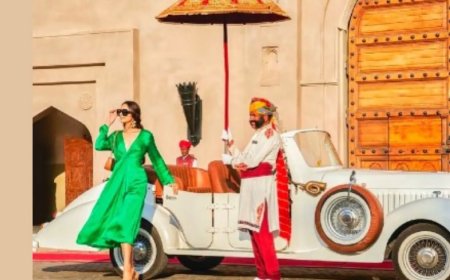
Celebrity fashion remains one of the strongest connections between style and news. Actors, musicians, athletes, and other public figures can generate enormous attention simply by appearing in an unexpected outfit.
Red-carpet events provide a perfect example. A carefully selected gown, tailored suit, unusual accessory, or dramatic styling decision can become one of the most discussed stories of the evening.
Yet celebrity influence has evolved. In the past, a celebrity's fashion impact was largely controlled by magazines, television, and entertainment journalists. Today, fans can immediately analyze an outfit, identify its designer, compare it with previous looks, and create their own interpretations.
As a result, celebrities are not merely wearing fashion; they are participating in an ongoing conversation about it.
Sustainability Is Becoming a Major Fashion Story
Another important area where fashion and news intersect is sustainability. The environmental impact of clothing has become a significant topic of public discussion, particularly as consumers become more interested in how garments are produced, transported, used, and discarded.
Fast fashion has received considerable attention because inexpensive, rapidly produced clothing can encourage frequent purchasing and disposal. At the same time, designers and brands are experimenting with recycled materials, alternative fibers, longer-lasting garments, resale programs, and more transparent production practices.
This shift is important because fashion's future cannot be separated from environmental responsibility. Consumers increasingly want attractive clothing, but many also want to understand the story behind the products they purchase.
The challenge is that sustainability claims can be complicated. A product being described as “eco-friendly” does not automatically mean that its environmental impact is minimal. Therefore, responsible fashion news should go beyond promotional language and examine evidence, production methods, materials, and measurable results.
Technology Is Creating New Fashion Possibilities
Technology is another major force changing the industry. Artificial intelligence, digital design tools, virtual experiences, and advanced manufacturing techniques are influencing how fashion products are imagined and created.
Designers can use digital tools to experiment with shapes and patterns before producing physical samples. Brands can analyze consumer preferences and improve inventory planning. Meanwhile, virtual fashion experiences are creating new ways for audiences to interact with clothing and accessories.
Artificial intelligence also raises important questions. If technology can generate designs, predict trends, or personalize shopping experiences, what happens to the traditional role of the designer?
Rather than eliminating creativity, technology may ultimately change where creativity is applied. Human judgment, cultural understanding, emotion, and originality remain difficult to reproduce. The most successful future may therefore involve designers using technology as a creative partner rather than treating it as a replacement.
Fashion News Is Becoming More Inclusive
Representation is another subject that continues to shape fashion coverage. Audiences increasingly expect the industry to reflect a broader range of cultures, body types, ages, identities, and personal styles.
This has influenced runway casting, advertising, editorial photography, and brand communication. Although progress is uneven, the conversation itself represents an important change.
News coverage plays a valuable role here because it can highlight both achievements and shortcomings. Celebrating meaningful progress matters, but so does asking whether changes are permanent or merely temporary marketing strategies.
The industry therefore faces a continuing challenge: turning visibility into genuine inclusion.
Consumers Are Becoming More Selective
Modern shoppers have access to more information than ever before. Before buying a garment, consumers can investigate its brand, compare prices, read reviews, examine styling videos, and research its materials.
This creates a more informed fashion audience. Instead of simply following whatever appears on a runway or in an advertisement, people can develop personal definitions of style.
As a result, the future of fashion may be less about everyone following the same trend and more about individuals combining influences to create distinctive wardrobes.
The Future of Fashion and News
The relationship between fashion and news will likely become even stronger as technology continues to accelerate communication. Trends may emerge from unexpected communities rather than traditional fashion capitals. Artificial intelligence may influence design and forecasting, while sustainability may become an increasingly important measure of a brand's reputation.
At the same time, consumers may become less interested in simply asking, “What is trending?” and more interested in asking, “Why is it trending, who created it, and what does it represent?”
That question points toward a more thoughtful future. Fashion will always involve creativity, aspiration, and self-expression, but its significance extends beyond appearance. It reflects the world around us and, sometimes, helps shape the world we are moving toward.
Ultimately, the most interesting fashion news may not be about what people are wearing today, but about why they are wearing it—and what those choices reveal about tomorrow.
What's Your Reaction?
 Like
0
Like
0
 Dislike
0
Dislike
0
 Love
0
Love
0
 Funny
0
Funny
0
 Angry
0
Angry
0
 Sad
0
Sad
0
 Wow
0
Wow
0