



























How Biophilic Design Is Reshaping Luxury Homes In Delhi NCR
Biophilic design is changing luxury homes in Delhi NCR. Learn the room-wise ideas, materials, plants, and planning tips that make it work.
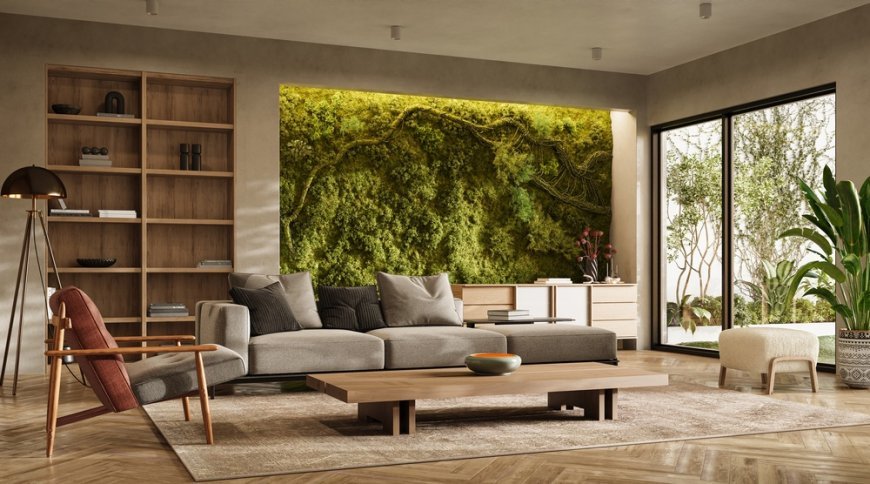
Step into a freshly finished apartment off Golf Course Road and something registers before the marble does. The air feels easier. Morning light hits a planter niche, a slab of raw stone anchors the entry, and nobody has buried the window under heavy drapes. That is biophilic design at work. In Delhi NCR, it has moved from a nice-to-have to a line item buyers actually write into the brief.
Ask around for the best interior designers in Gurugram and the term comes up early, usually in the first meeting. So what does it really involve, why does this region need it so badly, and how do you bring it in without turning the living room into a nursery?
Let’s get into it.
What Biophilic Design Really Means
The idea is old. The label is newer. People feel calmer around daylight, greenery, water, and natural texture, and biophilic design intentionally builds those things into a home rather than by accident. It is not a weekend trip to the plant shop. A flat with one money plant on the console and a sealed, airless bedroom is not biophilic. A flat with no plants at all, but deep daylight, honest timber and a carefully framed view, might be. Designers and architects have talked about this for years, and the short version is that rooms connected to nature tend to feel less draining to live in.
Direct Nature
This is the literal stuff: living plants, water, sunlight, fresh air, a view of the sky or a tree. Think of a vertical garden on the balcony, a small water feature near the entrance, or a reading corner placed where the afternoon light actually lands.
Indirect Nature
Here, nature is suggested rather than planted. Wood grain, stone veining, clay tones, woven cane, soft curves that echo a pebble more than a box. Luxury homes lean on this layer heavily, mostly because it asks for far less upkeep.
The Principles Designers Lean On
Beneath the plants and stone sits a handful of ideas that keep coming back. You don’t need the vocabulary to enjoy the result, but knowing it helps you read a design proposal properly.
|
Principle |
What it means |
How it looks at home |
|
Variable light |
Light that shifts through the day |
Sheers, louvres and layered lamps instead of one flat ceiling glare |
|
Prospect and refuge |
A wide view paired with a sheltered spot |
A high-backed window seat facing the skyline |
|
Natural rhythm |
Patterns that repeat but never perfectly |
Fluted timber panels, hand-finished stone, uneven weaves |
|
Material warmth |
Surfaces that feel good to touch |
Oiled wood, honed stone, linen upholstery |
|
Airflow |
Fresh air moving through the home |
Cross-ventilation planned around openable windows |
Why Delhi NCR Is Embracing It Faster
Consider the setting. High-rise towers, tight skylines, winters when air quality slips and windows stay shut for weeks, summers that punish glass-heavy façades. Add long work-from-home days, and the home stops being a place to sleep. It becomes the whole day. Buyers have noticed, and their briefs have changed with it. A few things keep pushing the shift:
-
Winter pollution, which makes indoor air and indoor greenery a daily concern
-
Limited outdoor access in vertical living, so nature has to be brought inside
-
Wellness-led spending, where sleep, calm, and light matter as much as finishes
-
A taste for quiet luxury, where texture says more than gold trim
Where Nature Shows Up Inside a Luxury Home
Every room can carry it, just differently. Here is how it typically plays out.
|
Space |
Biophilic move |
Why it works |
|
Living room |
Large glazing with sheer layers, stone feature wall, built-in planter niche |
Pulls in daylight and gives the room a grounded, tactile centre |
|
Kitchen |
Natural-grain finishes, a herb ledge by the window, daylight-first layout |
Keeps a working space fresh instead of clinical |
|
Bedroom |
Warm timber headboard, linen, layered low lighting |
Supports winding down and better sleep |
|
Wardrobe area |
Wood-toned textures, soft indirect lighting |
Makes daily routines feel less rushed |
|
Bathroom |
Stone-look surfaces, a plant near a ventilated window, rain shower |
Turns a utility room into a small retreat |
|
Balcony |
Vertical planters, drip irrigation, comfortable seating |
Creates a green buffer against the street |
Apartments vs Villas: What Changes
The approach isn’t identical across property types, and treating it that way is where plans start to wobble.
Apartments
Most NCR luxury buyers live in towers, so balconies, window ledges and shaft-facing corners carry the load. Compact planter niches, tall slim plants and mirrors that bounce daylight deeper into the floor plan do a surprising amount of work. Balcony weight limits and waterproofing need a proper check before anything heavy goes in.
Villas and Builder Floors
Bigger footprints open the door to courtyards, double-height voids and garden-facing living rooms. The risk flips, though. Too much freedom, and greenery ends up scattered everywhere while the house loses its calm. A clear plan matters more here, not less.
How the Planning Changes
Here’s where it gets practical. A nature-led brief can’t be bolted on at the end, which is why homeowners who speak to interior designers in Gurgaon early tend to dodge expensive fixes later. Drainage for planters, waterproofing near greenery, light direction, even where the watering can will live. These are planning decisions, not styling ones. The same goes for anyone hunting high end home interior designers Gurgaon hoping to get “the look”. The look is the last ten percent.
Start With Light, Not Furniture
Track how the sun moves through the home across a day. East-facing rooms get gentle morning light; west-facing ones get harsh afternoon heat. Plants, seating, and even paint tones should follow that map, not the other way round.
Choose Plants That Survive NCR
Be honest about your routine. Snake plant, ZZ plant, areca palm, and peace lily cope well indoors with modest care. Balconies facing strong sun suit hardier picks like bougainvillea. Fussy tropical showpieces tend to sulk by February.
Pick Materials That Age Well
Natural stone, solid timber, cane, linen, clay. They scuff, they patina, they get better. Laminates that imitate grain can work too, but check the texture in daylight before signing off, because showroom lighting flatters everything.
What It Costs to Keep It Alive
Nobody likes talking about this part. Nature in a home is not a one-time purchase. Fresh plants need watering, trimming, pest checks, and the occasional replacement. Stone needs sealing. Timber wants the odd oil coat. A sensible brief names these costs upfront.
-
Plant care: a weekly watering routine, or a gardener on a monthly visit
-
Irrigation: drip lines or self-watering planters for balconies and long absences
-
Stone and timber: periodic sealing and polishing
-
Lighting: grow-friendly bulbs where daylight falls short
None of this is dramatic. It just needs deciding early, rather than discovering it in month four.
Mistakes That Quietly Spoil the Effect
-
Overloading every corner with plants, which reads cluttered rather than calm
-
Ignoring maintenance, so greenery looks tired within a season
-
Choosing glossy faux finishes that fight the natural palette
-
Forgetting artificial lighting, when evenings matter as much as mornings
-
Treating the whole idea as a trend instead of a layout decision
A Short Checklist Before You Brief Your Designer
-
Map daylight in every room across morning, noon, and evening
-
Decide how much upkeep you can honestly manage
-
Shortlist three or four natural materials, not ten
-
Plan drainage and waterproofing for any planted zone
-
Set a budget that includes ongoing greenery care
Bringing It All Together
Biophilic design isn’t decoration. It’s a home that breathes a little, in a region where that is hard to come by. Done well, it feels effortless. Done badly, it feels like a garden centre with a sofa. The team you choose matters, and anyone comparing the best interior designers in Gurugram should ask how they translate a brief into light, material and layout, not just mood boards.
The AEK, an ultra-luxury interior design concierge based in Gurgaon, shapes each residence around how a household actually lives, with bespoke kitchens, wardrobes and living spaces and an Experience Centre on Golf Course Road where materials can be seen in person. That lifestyle-first thinking is a sound starting point for a nature-led home.
And for buyers searching for the best luxury interior company in the region, the questions above make a useful filter. Start with light. Choose honest materials. Let the home breathe.
What's Your Reaction?
 Like
0
 Dislike
0
 Love
0
 Funny
0
 Angry
0
 Sad
0
 Wow
0