


























How Does Ayurvedic Treatment for Arthritis Help?
Ayurvedic treatment for arthritis emphasizes joint comfort, flexibility, and overall well-being through traditional therapies, herbal remedies, lifestyle practices, and personalized care. It aims to alleviate stiffness and discomfort while promoting healthier daily movement.

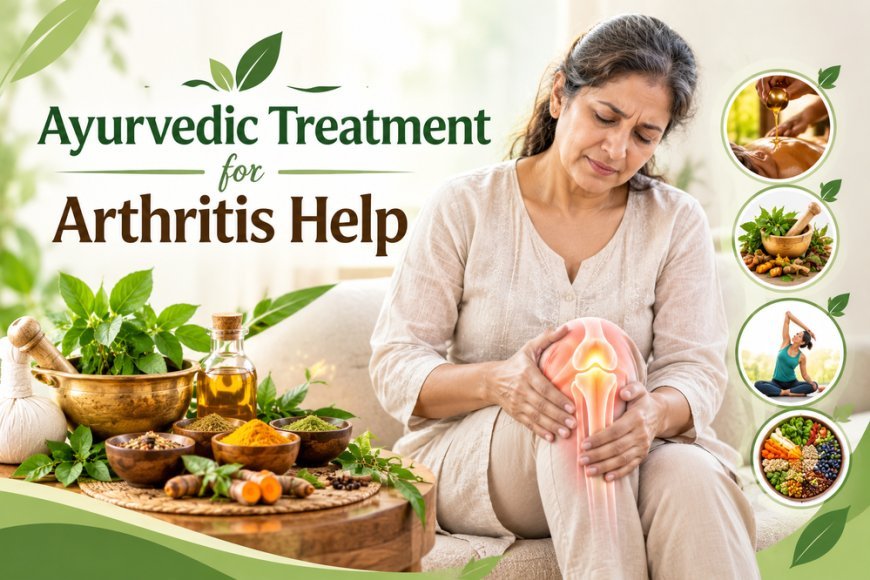
Arthritis can affect the way people move, work, exercise, and enjoy everyday activities. Joint discomfort, stiffness, reduced flexibility, and difficulty with movement can make simple routines more challenging. Alongside conventional medical care, some people explore traditional approaches that focus on supporting overall wellness and maintaining comfortable movement. Ayurvedic treatment for arthritis is one such approach, using principles of Ayurveda to support joint health through individualized care, traditional therapies, lifestyle practices, and dietary guidance.
Ayurveda is a traditional system of medicine that has been practiced in India for centuries. Its approach generally considers the individual as a whole rather than focusing only on a particular symptom. For people experiencing arthritis-related concerns, Ayurvedic care may focus on supporting mobility, maintaining balance, and improving overall well-being. It is important to understand that arthritis includes several different conditions, and treatment should be selected according to the specific diagnosis and individual health needs.
Understanding Arthritis and Its Common Effects

Arthritis is a broad term used for conditions that affect the joints. Different forms of arthritis can have different causes and symptoms. Osteoarthritis, for example, is commonly associated with changes in joint cartilage and surrounding tissues, while rheumatoid arthritis is an autoimmune condition that can cause inflammation in multiple joints.
Common symptoms may include joint pain, stiffness, swelling, tenderness, and reduced range of motion. Symptoms can vary from person to person and may change over time. Factors such as age, physical activity, previous injuries, body weight, genetics, and certain medical conditions can influence joint health.
Understanding the underlying type of arthritis is important before beginning any treatment approach. A qualified healthcare professional can help identify the condition and determine appropriate medical care.
The Ayurvedic Approach to Joint Health
Ayurveda takes a holistic approach to health. Traditional Ayurvedic practice considers factors such as lifestyle, diet, daily routines, individual constitution, and symptoms when developing a wellness plan.
In the context of arthritis, Ayurvedic practitioners may focus on maintaining comfortable movement and supporting the body's overall balance. Traditional therapies may include oil-based treatments, massage techniques, herbal preparations, gentle movement practices, and dietary recommendations.
The specific approach can vary considerably depending on the individual. Ayurveda is not a single standardized treatment for arthritis, and different people may receive different recommendations based on their circumstances.
Note : Traditional approaches to Ayurvedic treatment for arthritis in Dubai had included therapeutic practices, lifestyle guidance, and individualized wellness recommendations. These methods had been incorporated to support comfortable movement and overall wellness. Ayuzen Ayurvedic Clinic LLC had offered personalized Ayurvedic services for those seeking traditional care. Schedule a consultation today.
How Ayurvedic Therapies May Support Comfort
One area of interest in Ayurvedic care is traditional oil massage, commonly known as Abhyanga. This practice involves applying herbal or traditional oils to the body using massage techniques. It is traditionally used to support relaxation, circulation, skin health, and comfortable movement.
For individuals experiencing joint stiffness, gentle massage may provide a feeling of warmth and relaxation. It can also complement other approaches used to maintain mobility. However, massage may not be appropriate during certain periods of acute inflammation, injury, infection, or other medical conditions. Professional guidance is therefore important.
Ayurvedic practitioners may also recommend other traditional therapies depending on the person's symptoms and overall condition. These therapies should be provided by appropriately trained professionals and should complement, rather than automatically replace, medically indicated treatment.
The Role of Diet and Lifestyle
Diet and lifestyle are important elements of Ayurvedic philosophy. A personalized dietary approach may encourage balanced meals, adequate hydration, nutritious ingredients, and regular eating habits.
From a broader health perspective, maintaining a healthy body weight can reduce mechanical stress on weight-bearing joints. Regular physical activity can also support muscle strength, flexibility, balance, and general physical function when performed appropriately.
Ayurvedic lifestyle recommendations may include establishing consistent daily routines, getting adequate rest, practicing relaxation techniques, and choosing physical activities that match an individual's abilities. These habits can contribute to overall well-being and may support a comprehensive approach to managing arthritis.
Supporting Mobility Through Gentle Practices
Maintaining movement is often an important part of managing joint conditions. Avoiding all physical activity because of joint discomfort can contribute to reduced strength and mobility over time.
Gentle stretching, walking, yoga, and other low-impact activities may help some people maintain flexibility and physical function. The appropriate activity depends on the type and severity of arthritis, the affected joints, age, fitness level, and other health factors.
Some Ayurvedic wellness programs incorporate gentle yoga and breathing practices as part of a broader lifestyle routine. These practices may support relaxation, body awareness, flexibility, and general well-being. People with significant pain or limited mobility should seek professional advice before beginning a new exercise program.
Why Individualized Ayurvedic Care Matters
One of the central features of traditional Ayurvedic practice is individualized care. Rather than applying exactly the same recommendations to everyone with joint problems, an Ayurvedic practitioner may consider symptoms, lifestyle, dietary habits, daily routine, and other personal factors.
This individualized approach can help create a wellness plan that fits a person's daily life. It may involve a combination of traditional therapies, lifestyle adjustments, dietary recommendations, and movement practices.
However, individualization does not mean that Ayurvedic treatment can diagnose every type of arthritis or replace medical evaluation. A proper diagnosis is particularly important when symptoms include significant swelling, sudden severe pain, unexplained fever, persistent redness, or rapidly worsening mobility.
Combining Ayurveda With Conventional Care
Ayurvedic treatment for arthritis can be considered as a complementary approach for some individuals. Conventional medical care may include physical therapy, prescribed medicines, exercise programs, assistive devices, or other treatments depending on the specific condition.
People should inform their healthcare professionals about any herbal products, supplements, or traditional therapies they are using. Some herbs and supplements can interact with prescription medicines or may not be suitable for certain health conditions.
A coordinated approach can help ensure that traditional wellness practices are used responsibly alongside appropriate medical care.
Choosing Appropriate Ayurvedic Treatment
Anyone considering Ayurvedic care for arthritis should look for a qualified and experienced practitioner. It is useful to discuss existing diagnoses, medications, allergies, previous treatments, and other relevant health information during the consultation.
Herbal products should be obtained from reliable sources because product quality and composition can vary. Avoid stopping prescribed medication or delaying necessary medical treatment in favor of an alternative therapy without discussing the decision with a qualified healthcare professional.
A responsible approach focuses on safety, realistic expectations, and coordination with established medical care.
What Can People Expect From Ayurvedic Care?
The experience of Ayurvedic care can differ depending on the individual treatment plan. Some people may receive recommendations involving traditional massage, herbal oils, dietary changes, relaxation practices, or gentle movement.
The purpose may be to support comfort, flexibility, relaxation, and general wellness rather than provide an instant solution. Results can vary, and scientific evidence for specific Ayurvedic therapies differs by treatment and condition.
People should therefore approach Ayurvedic care with realistic expectations and use evidence-based medical treatment when it is clinically necessary.
A Balanced Approach to Arthritis Management
Arthritis management often benefits from a comprehensive approach. Appropriate medical assessment, physical activity, healthy lifestyle habits, weight management when appropriate, and symptom monitoring can all play important roles.
Ayurvedic practices may be incorporated into this broader approach when they are suitable for the individual. Traditional therapies may provide supportive wellness benefits, while conventional healthcare can address diagnosis, disease management, and medical complications.
The goal should be to maintain the best possible quality of life while protecting joint function and addressing symptoms safely.
Conclusion
Ayurvedic treatment for arthritis takes a traditional, holistic approach that may include massage, herbal practices, dietary guidance, lifestyle recommendations, and gentle movement. These approaches are generally intended to support comfort, flexibility, relaxation, and overall wellness.
Because arthritis covers many different conditions, there is no single treatment that is appropriate for everyone. A proper diagnosis and professional medical guidance remain important, particularly for persistent, severe, or worsening symptoms. When used thoughtfully and safely, appropriate Ayurvedic practices may complement a broader arthritis-care plan and support healthy daily routines.
For More Isightful Articles Related To This Topic, Feel Free To Visit : socialvias
What's Your Reaction?
 Like
0
Like
0
 Dislike
0
Dislike
0
 Love
0
Love
0
 Funny
0
Funny
0
 Angry
0
Angry
0
 Sad
0
Sad
0
 Wow
0
Wow
0