




















Industrial Foam Tape: Uses, Materials and Applications
What sets SKD apart is its in-house converting capability: die-cutting, slitting, rewinding, spooling, and printing, all done to customer specification.

Foam tape is used in many industrial and commercial applications where components need to be mounted, fixed or joined. Its flexible structure makes it useful for surfaces that may not be perfectly flat, while the adhesive provides a practical way to attach materials without mechanical fasteners.
What Is Industrial Foam Tape?
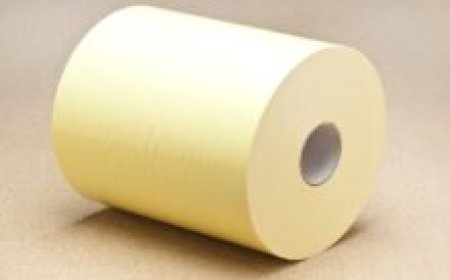
Industrial foam tape is an adhesive tape with a foam carrier and an adhesive coating. It is available in different thicknesses, densities and adhesive systems to suit a range of applications.
Depending on the product, foam tape can be used for mounting signs, attaching trims, fixing profiles and joining components. Some versions are designed for indoor use, while others are suitable for external applications.
Why Is Foam Used in Adhesive Tape?
The foam carrier gives the tape a degree of flexibility. This can help it adapt to slightly uneven or textured surfaces and improve contact between the materials being joined.
Some foam tapes can also absorb vibration. This can be useful when mounting components that may experience movement during normal use.
SKD Tapes offers foam tapes with different specifications. Its TM510A, for example, is a 1mm double-sided PE foam tape with a solvent acrylic adhesive. It is suitable for indoor and outdoor use and can bond to plastics, painted surfaces, metals and wood.
Common Applications of Industrial Foam Tape
Foam tape is used in a variety of industries and trades. Depending on the material and adhesive system, applications can include:
· Sign and display mounting
· Nameplate and badge fixing
· Furniture trims
· Flooring profiles
· Conduit mounting
· Protective mouldings
· Vehicle and construction applications
The suitability of a particular tape depends on the surface, environment and bonding requirements.
Understanding Different Foam Tape Options
Not all foam tapes are the same. The carrier material, foam density, thickness and adhesive system can affect how a tape performs.
For example, SKD Tapes' TM510A uses a closed-cell, medium-density PE foam core. Its solvent acrylic adhesive is designed for a range of mounting applications. The company also supplies acrylic foam tapes for permanent bonding of materials such as metals, plastics and glass.
Custom Sizes and Formats
Industrial users may need tape in specific widths or lengths to fit their production processes. Standard rolls are not always the most convenient option, particularly where tape is applied repeatedly or as part of an assembly line.
SKD Tapes provides converting services such as slitting, rewinding, spooling and die-cutting. Foam tape can therefore be supplied in formats suited to particular manufacturing and installation requirements.
Selecting the Right Industrial Foam Tape
When choosing industrial foam tape, consider the surfaces being joined, the required thickness, indoor or outdoor conditions and whether flexibility or vibration absorption is important.
A suitable product can make mounting and assembly work more straightforward. Selecting the correct foam tape for the application is the key to achieving a reliable result.
What's Your Reaction?
 Like
0
 Dislike
0
 Love
0
 Funny
0
 Angry
0
 Sad
0
 Wow
0