




















Is Fat Transfer Treatment Safe for Facial Enhancement?
Learn whether facial fat transfer is safe, including its benefits, risks, recovery, and suitability for natural facial enhancement in Islamabad.
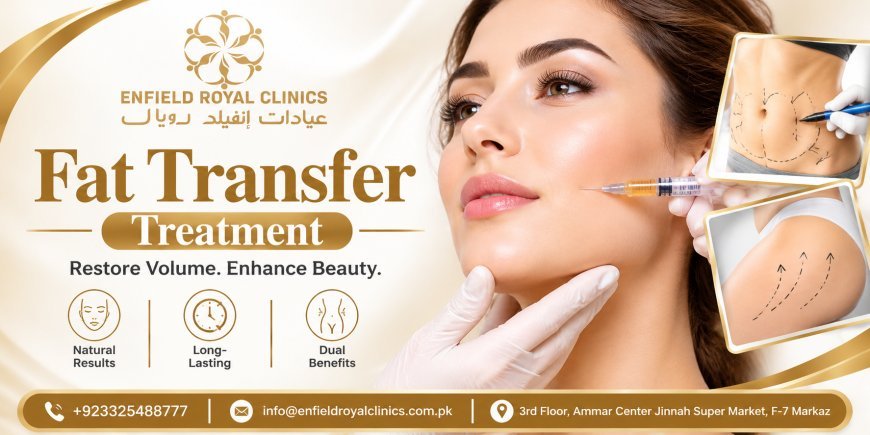
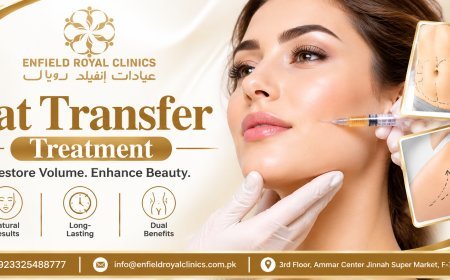
Facial fat transfer has become a popular cosmetic option for people who want to restore lost facial volume and achieve a refreshed, natural-looking appearance. Also known as facial fat grafting, this procedure uses a patient's own fat instead of synthetic filler material. Fat is collected from one part of the body, carefully processed, and injected into selected facial areas to improve contours and fullness.
People considering Fat Transfer Treatment in Islamabad often ask whether using their own fat makes the procedure completely safe. Although the treatment can offer natural-looking results for suitable patients, it is still a surgical procedure with potential complications. Its safety depends on proper patient selection, careful fat harvesting, appropriate injection techniques, and professional aftercare.
Understanding the benefits, limitations, possible risks, and recovery process can help patients decide whether facial fat transfer is an appropriate option for their cosmetic goals.
1. How Does Facial Fat Transfer Work?
Facial fat transfer involves moving fat from a donor area of the body to selected parts of the face. Common donor areas include the abdomen, thighs, hips, and flanks, depending on the patient's available fat and suitability.
The procedure generally involves three main stages:
Fat Harvesting: Fat is collected using a liposuction technique through small incisions. The amount removed depends on the treatment plan and the volume needed for facial enhancement.
Fat Processing: The collected material is processed to separate suitable fat tissue from fluids and unwanted components. This preparation helps make the fat appropriate for transfer.
Fat Injection: The prepared fat is carefully injected into selected facial areas using small cannulas or specialized instruments. The goal is to restore volume while maintaining natural facial proportions.
Since the procedure uses the patient's own tissue, it avoids introducing a synthetic filler material. However, this does not mean that complications are impossible. The harvesting and injection stages require careful planning and a thorough understanding of facial anatomy.
2. What Facial Areas Can Be Enhanced With Fat Transfer?
Facial fat transfer may be used to improve volume in several areas where aging, genetics, or weight changes have created a hollow or less balanced appearance.
Common treatment areas include:
-
Cheeks: Restoring cheek fullness can improve facial contours and reduce the appearance of hollow cheeks.
-
Temples: Fat grafting may help soften hollow temples and create a more balanced facial appearance.
-
Under-Eye Hollows: Carefully selected patients may benefit from volume restoration around the tear-trough area. This delicate region requires particular expertise.
-
Lips: Small amounts of fat may be used to add fullness, although retention can be unpredictable.
-
Chin and Jawline: Selected areas may receive fat to improve contour balance, depending on the patient's facial structure.
-
Facial Depressions: Fat grafting may help improve certain contour irregularities caused by previous procedures, injuries, or other conditions.
Not every facial area is suitable for fat injection. The skin, underlying structures, blood vessels, and individual anatomy must be evaluated before treatment.
3. Is Fat Transfer Treatment Safe for Facial Enhancement?
Facial fat transfer can be performed safely in appropriately selected patients when suitable techniques and safety precautions are followed. However, no surgical procedure is entirely risk-free.
One potential advantage is that the procedure uses the patient's own fat. This reduces concerns associated with reactions to certain synthetic filler materials. Nevertheless, the body may absorb some transferred fat, and complications can still occur during harvesting or injection.
Possible risks include:
-
Swelling and bruising
-
Temporary tenderness or discomfort
-
Infection or bleeding
-
Fat necrosis, where transferred fat tissue does not survive
-
Small lumps or irregularities under the skin
-
Uneven volume or facial asymmetry
-
Changes in skin sensation
-
Fluid collection around treated areas
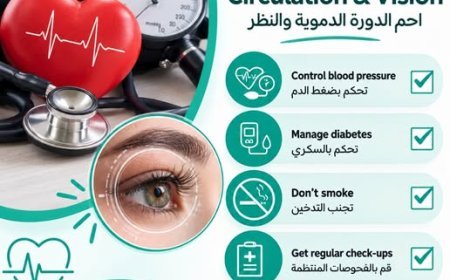
A particularly serious but rare complication is vascular occlusion, which occurs when injected fat enters or blocks a blood vessel. In facial procedures, this can cause tissue damage and, in severe cases, loss of vision. Sudden vision changes after facial fat injection require immediate emergency medical attention.
Careful knowledge of facial blood vessels, appropriate injection depth, controlled placement, and suitable instruments are essential safety considerations. Patients should discuss these risks openly before deciding on treatment.
4. Who Is a Suitable Candidate for Facial Fat Transfer?
Facial fat transfer may be appropriate for adults who want to restore lost volume or improve selected facial contours. However, suitability depends on more than cosmetic preference.
A patient may be considered a suitable candidate when they:
-
Have enough available donor fat for harvesting.
-
Want to improve facial hollowness or selected contour irregularities.
-
Are in generally suitable health for an elective surgical procedure.
-
Have realistic expectations about the amount of fat that may survive.
-
Can follow recovery instructions and attend follow-up appointments.
-
Understand the possible complications and limitations.
Patients with certain medical conditions, active infections, uncontrolled health problems, or factors that may interfere with healing may need additional assessment or may not be suitable.
Smoking and nicotine use can affect circulation and wound healing. Patients should discuss their habits and medication use during consultation. Blood-thinning medication and other prescribed treatments should never be stopped without advice from the prescribing professional.
A detailed assessment helps determine whether fat transfer is appropriate or whether another treatment may better address the patient's concerns.
5. What Are the Benefits and Limitations of Facial Fat Transfer?
Facial fat transfer offers several potential benefits for patients seeking volume restoration.
Uses the Patient's Own Tissue: The procedure uses fat collected from the patient's body rather than relying on synthetic filler material.
Natural-Looking Volume: When carefully planned and performed, fat placement can create subtle improvements that complement the patient's existing facial features.
Two Treatment Areas: Fat is removed from a donor area and transferred to the face, which may also improve contour in the harvesting area.
Potentially Long-Lasting Results: Fat cells that establish a blood supply and survive may remain for years. However, some transferred fat is naturally absorbed, and the amount retained varies.
Despite these benefits, facial fat transfer has limitations. It cannot guarantee a specific level of fullness, and the final result may differ from the initial appearance. Some patients may need an additional session after the transferred fat has stabilized.
The procedure also does not directly correct every concern, such as deep wrinkles, skin pigmentation, significant skin laxity, or underlying bone-structure issues. A different treatment may be more suitable for those concerns.
6. What Should Patients Expect During Recovery?
Recovery after facial fat transfer involves healing at both the donor area and the treated facial region. The amount of swelling and bruising varies according to the technique, treatment area, and individual response.
During the first few days, patients may experience facial swelling, tenderness, bruising, and mild discomfort around the fat harvesting site. These effects generally improve gradually.
A general recovery pattern may include:
-
First few days: Swelling, bruising, and tenderness are common.
-
First week: Many patients begin feeling more comfortable, although visible swelling may remain.
-
Weeks 2–4: Bruising and much of the initial swelling often improve.
-
Three to six months: The transferred fat becomes more stable, making the longer-term result easier to assess.
Patients should avoid unnecessary pressure on the face, strenuous exercise during the early healing period, and massaging treated areas unless specifically instructed. Smoking should be avoided according to professional guidance because it can interfere with healing.
Fever, spreading redness, worsening pain, or unusual swelling should be assessed promptly. Sudden vision changes, chest pain, shortness of breath, or fainting require emergency medical attention.
7. How Can Patients Make Facial Fat Transfer Safer?
Safety begins before the procedure. Patients considering Fat Transfer Treatment in Islamabad should focus on professional qualifications, treatment planning, and clear communication rather than choosing a procedure based only on its expected cosmetic benefits.
Important steps include:
-
Check professional qualifications: The procedure should be performed by an appropriately trained and qualified surgical professional with relevant experience in facial fat grafting.
-
Discuss medical history: Existing health conditions, allergies, medications, smoking habits, and previous cosmetic procedures should be disclosed.
-
Understand the technique: Patients should ask how fat will be harvested, processed, and injected, including how facial vascular risks are managed.
-
Review realistic outcomes: The amount of fat that survives cannot be guaranteed, so expectations should reflect the procedure's limitations.
-
Follow aftercare instructions: Proper recovery care and follow-up assessments help monitor healing and identify complications.
A careful consultation allows patients to understand whether facial fat transfer is suitable for their anatomy and goals. It also provides an opportunity to discuss alternative treatments and the risks associated with each option.
Frequently Asked Questions (FAQs)
1. Is facial fat transfer safer than dermal fillers?
Both treatments have benefits and risks. Fat transfer uses the patient's own tissue but involves fat harvesting and surgical injection. Dermal fillers are nonsurgical but can also cause complications, including rare vascular blockage. Suitability depends on the patient's needs and medical assessment.
2. Does facial fat transfer provide permanent results?
Fat cells that successfully establish a blood supply may remain for years. However, some transferred fat is naturally absorbed during healing, so long-term results vary between patients.
3. How long does facial fat transfer recovery take?
Initial swelling and bruising often improve within one to two weeks, although some swelling may last longer. The final appearance is generally assessed after approximately three to six months.
4. Can facial fat transfer cause lumps?
Yes. Fat necrosis, uneven fat distribution, or irregular healing can sometimes cause lumps or small areas of firmness. Patients should have unusual changes assessed by their treating professional.
5. Who should avoid facial fat transfer?
People with certain uncontrolled medical conditions, active infections, insufficient donor fat, or factors that interfere with healing may not be suitable. A detailed medical assessment is necessary before treatment.
6. Can facial fat transfer improve under-eye hollows?
It may help restore volume in selected patients, but the under-eye area is delicate and has important nearby blood vessels. Careful assessment and specialized experience are essential before considering treatment in this region.
What's Your Reaction?
 Like
0
 Dislike
0
 Love
0
 Funny
0
 Angry
0
 Sad
0
 Wow
0