

















Laser Paint Stripping: A Modern Solution for Precise Surface Cleaning
Removing old paint from metal surfaces is an important part of industrial maintenance, restoration, and manufacturing

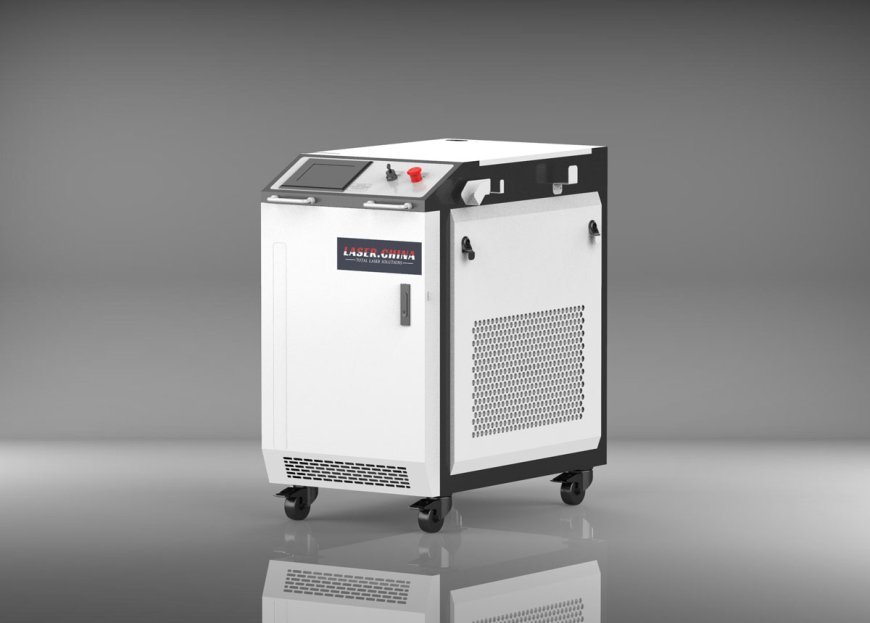
Removing old paint from metal surfaces is an important part of industrial maintenance, restoration, and manufacturing. Traditional paint removal methods often involve chemicals, abrasive blasting, or manual scraping, which can require considerable time and effort. Today, laser paint stripping offers a modern approach to removing unwanted coatings with greater control and precision.
This technology uses concentrated laser energy to remove paint layers from different surfaces while helping preserve the underlying material. It is becoming an increasingly popular solution for industries that require efficient, controlled, and environmentally conscious surface preparation.
What Is Laser Paint Stripping?
Laser paint stripping is a surface-cleaning process that uses a focused laser beam to remove paint, coatings, and other unwanted materials. The laser energy interacts with the coating, causing it to break down, detach, or vaporize depending on the material and operating settings.
Unlike conventional techniques that rely on direct physical contact or chemical solutions, laser systems provide a controlled cleaning process. Operators can adjust parameters such as laser power, scanning speed, and frequency to suit different coating thicknesses and surface conditions.
This makes the technology suitable for various industrial applications, including metal restoration, automotive maintenance, and equipment refurbishment.
How Does the Paint Removal Process Work?
The process begins by positioning the laser cleaning head toward the painted surface. Once activated, the laser beam scans the target area and delivers energy to the coating.
The paint absorbs the laser energy, creating rapid heating that weakens its attachment to the substrate. Depending on the coating composition and laser parameters, the unwanted layer separates from the surface or breaks down into smaller particles.
Operators can control the cleaning intensity to achieve the required surface condition. Proper testing is essential because different paints, substrates, and coating thicknesses respond differently to laser energy.
Industrial Applications of Laser Paint Removal
Laser-based paint removal is suitable for several industries where clean surfaces are necessary for maintenance, manufacturing, and restoration.
Automotive Industry: Automotive workshops use laser systems to remove paint from vehicle components, metal panels, and selected restoration areas before repainting or repair work.
Manufacturing Industry: Manufacturers can prepare metal components by removing old coatings before welding, bonding, or applying new protective finishes.
Aerospace Industry: Aircraft maintenance operations may use carefully controlled laser cleaning for selected painted components where conventional cleaning methods require additional precautions.
Shipbuilding and Marine Maintenance: Marine equipment and metal structures often require coating removal during refurbishment and corrosion maintenance.
Industrial Equipment Restoration: Machinery, tools, and production equipment can be cleaned to remove deteriorated paint and prepare surfaces for maintenance.
Choosing the Right Laser Cleaning Machine
Selecting suitable equipment depends on the type of paint, surface material, cleaning area, and production requirements. Different applications may require different laser power levels and cleaning configurations.
Portable handheld systems are useful for workshops and maintenance operations that involve different components or hard-to-reach areas. Industrial systems can be more suitable for larger cleaning projects and continuous production environments.
Before purchasing equipment, businesses should evaluate the laser source, operating controls, cooling system, scanning options, and technical support offered by the manufacturer.
Safety and Operating Considerations
Laser cleaning equipment must be operated according to appropriate safety procedures. High-powered laser beams can cause serious eye and skin injuries, so suitable laser protective eyewear, controlled work areas, and safety enclosures are essential.
Paint removal can also release hazardous particles, fumes, or decomposition products. Proper ventilation and suitable extraction systems should be used to maintain a safe working environment.
Operators should test the process on a small area before beginning a complete project. This helps determine the correct settings while reducing the risk of damaging the underlying material.
Final Thoughts
Laser paint stripping is transforming the way industries approach coating removal and surface preparation. Its controlled operation, adaptable cleaning settings, and compatibility with various industrial applications make it an interesting alternative to conventional paint removal techniques.
As manufacturing and maintenance requirements continue to evolve, laser cleaning technology offers businesses a modern solution for handling coating removal projects. Choosing the right equipment, understanding the material being treated, and following proper safety procedures are essential for achieving consistent cleaning results.
What's Your Reaction?
 Like
0
 Dislike
0
 Love
0
 Funny
0
 Angry
0
 Sad
0
 Wow
0