




















Does Solar Energy in the Philippines Work During Typhoons? Durability and Safety Tips
Discover if solar energy in the Philippines works during typhoons. Learn about durability, safety tips, and maintenance for solar systems in storm-prone areas.
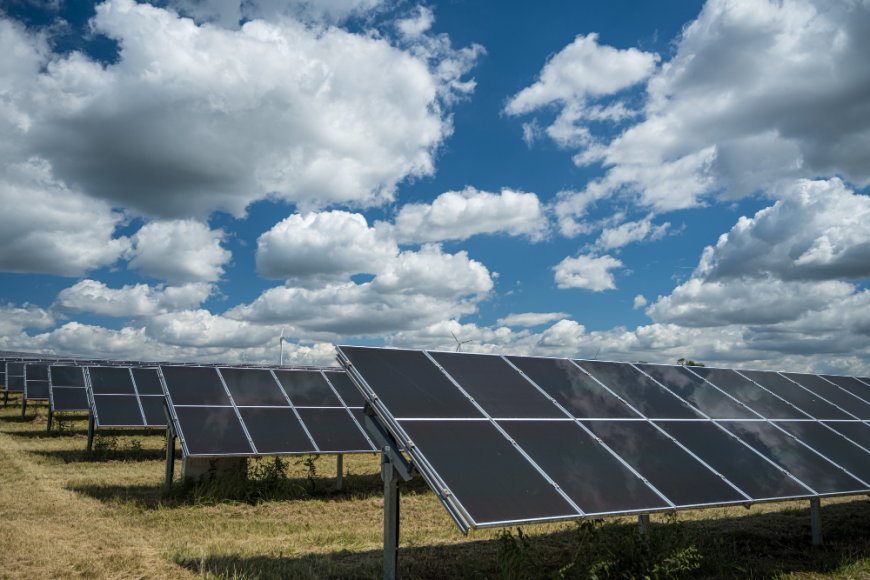
The Philippines faces over 20 typhoons yearly, raising questions about solar energy’s reliability. Solar Energy in the Philippines remains a practical solution despite frequent storms, thanks to advancements in panel design and installation practices. This article explores how solar systems handle typhoon conditions and offers safety tips for homeowners.
Installation Best Practices for Typhoon-Prone Areas
Site Assessment and Panel Positioning
Evaluating a property’s exposure to wind and debris is critical before installation. Panels should face away from prevailing storm winds to reduce uplift risks. Rooftop systems work best when angled below 10 degrees, minimizing drag. Ground-mounted arrays require elevated bases to avoid flood damage in low-lying regions.
Reinforced Mounting Techniques
Mounting hardware must exceed local building code requirements. Stainless steel bolts, hurricane straps, and direct-to-truss fastening secure panels against extreme winds. Installers often use continuous rail systems instead of clamp-based setups to distribute stress evenly across mounting structures.
Choosing the Right Solar Panel Models for Extreme Weather
Equipment Standards and Accreditations
Panels with tempered glass and polymer back sheets withstand hail and debris impacts. The brief confirms IEC-spec equipment is used by the company. Frame materials should include corrosion-resistant aluminum alloys rated for coastal environments.
Wind Load and Weather Resistance Ratings
Check panel specifications for wind-load tolerances, typically listed as "max wind speed" ratings. Higher wind-load ratings suit typhoon-prone zones. Sealed junction boxes with appropriate waterproof ratings prevent water ingress during prolonged storms.
Common Safety Risks During Storms
Falling Debris and Impact Damage
Loose objects like tree branches or roof tiles can crack panels during typhoons. Installing panels with impact-resistant glass and clearing surroundings reduces risks. Post-storm inspections help identify hidden damage affecting system performance.
Electrical Hazards in Flooded Areas
Submerged electrical components pose electrocution risks. Homeowners should switch off solar systems during floods and consult professionals before restoring power. Using elevated or waterproof junction boxes minimizes water-related faults.
Structural Integrity of Rooftops
Weak roofs can collapse under the stress of heavy winds and mounted panels. Reinforce roof trusses and rafters before installation. Use load-distribution bars to spread weight evenly. Avoid mounting on roofs with existing damage or weak materials.
Preparing Solar Systems for Typhoons
Pre-Storm Maintenance Checks
Tighten mounting structures and clear debris from panels before typhoons. Check seals around inverters and disconnect switches to prevent moisture buildup. Document system performance to compare post-storm efficiency.
Upgrading Components for Extreme Weather
Older systems benefit from retrofitting with hurricane-rated mounting hardware. Micro-inverters or power optimizers isolate damaged panels, maintaining partial functionality during storms. Choosing panels with higher wind-load certifications adds resilience.
Securing Electrical Components
Protect inverters and batteries with waterproof enclosures. Install surge protectors to prevent voltage spikes during lightning strikes. Elevate electrical boxes 30 cm above potential flood levels. Label disconnect switches for quick access during emergencies.
Post-Typhoon Inspection and Maintenance
Immediate Steps After a Storm
Visually inspect panels for cracks or misalignment. Avoid touching wet electrical parts until they dry completely. Use a multimeter to test voltage output and identify underperforming panels needing repair.
Professional Servicing and Warranty Claims
Certified technicians can assess hidden damage to wiring or inverters. Most manufacturers offer warranties covering typhoon-related issues if installations meet local standards. Documenting storm damage with photos supports insurance claims.
Energy Storage Solutions for Post-Typhoon Power Continuity
Battery Backup System Integration
Pairing solar arrays with lithium iron phosphate (LFP) batteries keeps essential appliances running after grid failures. Systems should prioritize critical loads like refrigeration, LED lighting, and medical devices during outages.
Battery Placement and Protection
Install batteries indoors or in waterproof enclosures to shield them from rain. Elevate units above flood-prone floors. Use non-conductive materials for mounting racks. Regularly check connections for corrosion from humidity.
Long-Term Durability Factors
Corrosion in Coastal Environments
Salt air accelerates metal corrosion, especially in seaside installations. Using marine-grade aluminum frames and regular cleaning prevents rust. Coating panel edges with anti-corrosion sprays extends lifespan in humid regions.
Panel Degradation Over Time
Solar panels naturally degrade over time, and typhoon exposure can accelerate wear. Choosing panels with low degradation rates and durable coatings maintains long-term output. Replacing damaged components promptly avoids system-wide failures.
Regular Maintenance Schedules
Schedule inspections every six months to check for wear. Clean panels with soft brushes to remove salt buildup. Tighten mounting hardware annually. Track energy output to detect performance drops early.
Government Regulations and Solar Standards in the Philippines
Compliance with Local Building Codes
The National Structural Code of the Philippines (NSCP) mandates wind-load requirements for solar installations. Permits require engineering certifications proving systems can endure high winds in storm-prone zones.
Permitting Process for Storm-Resilient Installations
Apply for permits through local government units (LGUs) with approved engineering plans. Include wind-load calculations and material specifications. Accredited installers must submit proof of training in typhoon-resistant techniques. Permits ensure systems meet safety standards for extreme weather.
Key Takeaway
Solar energy remains viable during typhoons with proper installation and maintenance. Solar Energy in the Philippines designed for storm resilience ensure households maintain power despite frequent storms. Prioritizing durability and safety safeguards investments in renewable energy.
What's Your Reaction?
 Like
0
Like
0
 Dislike
0
Dislike
0
 Love
0
Love
0
 Funny
0
Funny
0
 Angry
0
Angry
0
 Sad
0
Sad
0
 Wow
0
Wow
0