














Wardrobe Dubai: Exploring Custom Designs for Contemporary Interiors
Wardrobe Dubai solutions reflect this changing approach by offering customised storage designs that complement different interior styles, room dimensions, and everyday requirements.
Introduction: The Growing Appeal of Custom Wardrobe Dubai Designs
Modern interiors are increasingly focused on combining elegance, comfort, and practical functionality. Storage is no longer treated as a secondary feature of bedroom design; it has become an important element that influences the overall appearance and organisation of a home. Wardrobe Dubai solutions reflect this changing approach by offering customised storage designs that complement different interior styles, room dimensions, and everyday requirements. From minimalist built-in wardrobes to sophisticated walk-in dressing areas, homeowners can explore designs that make their spaces more attractive and organised.
Choosing the right Wardrobe Dubai design involves more than selecting attractive doors or fashionable finishes. It requires careful consideration of available space, storage capacity, accessibility, materials, lighting, and personal preferences. A thoughtfully designed wardrobe can help create a balanced bedroom environment while making it easier to organise clothing, footwear, accessories, and household essentials.
Contemporary homes benefit from storage solutions that combine intelligent layouts with attractive finishes. Wardrobe Dubai designs can be customised with sliding doors, hinged panels, open shelving, drawers, mirrors, and integrated lighting. These features allow homeowners to create practical storage arrangements without compromising the visual character of their interiors. Whether the bedroom is spacious or compact, a suitable design can help make better use of every available area.
Understanding the Importance of Custom Wardrobe Designs
A wardrobe plays an essential role in maintaining an organised bedroom. It provides a dedicated place for clothing and personal belongings while helping reduce visible clutter. Customisation makes this furniture more useful because its dimensions, internal arrangement, and external appearance can be planned according to the room and the user's lifestyle.
Ready-made wardrobes may not always fit the exact dimensions of a bedroom. They can leave unused spaces above, below, or beside the furniture. Custom designs offer greater flexibility because they can be created around architectural features, unusual room layouts, and specific storage needs.
Making Better Use of Available Space
Efficient space utilisation is one of the main reasons homeowners consider custom wardrobes. Floor-to-ceiling installations can use vertical space that might otherwise remain unused. Additional shelves, overhead compartments, and specialised sections can provide storage for seasonal clothing, luggage, bedding, and less frequently used belongings.
For smaller bedrooms, carefully planned wardrobe dimensions can help maintain comfortable movement around the room. Sliding doors are particularly useful when there is limited clearance between the wardrobe and other furniture.
Creating a Consistent Interior Style
A wardrobe occupies a significant amount of visual space in many bedrooms. Its colour, material, texture, and design can influence the overall atmosphere of the room. Custom furniture allows homeowners to coordinate wardrobe finishes with flooring, wall colours, bed frames, bedside tables, and decorative elements.
A simple wardrobe with smooth panels may suit a minimalist bedroom, while textured finishes or decorative details can complement a more luxurious interior.
Popular Wardrobe Dubai Designs for Contemporary Homes
Contemporary interiors offer plenty of opportunities to experiment with different wardrobe styles. The ideal option depends on the available space, preferred appearance, and required storage capacity.
Sliding Door Wardrobes
Sliding door wardrobes are a popular choice for modern bedrooms because their doors move along tracks instead of opening outward. This arrangement reduces the clearance needed in front of the wardrobe and can be particularly useful in apartments or compact rooms.
These wardrobes are available in a wide variety of finishes, including matte panels, wood textures, mirrored surfaces, and glass designs. Large sliding panels can also create a clean and uninterrupted appearance.
Mirrored sliding doors may help reflect natural light and make a bedroom feel more open. However, the choice of mirror placement should consider privacy, cleaning requirements, and the overall interior layout.
Hinged Door Wardrobes
Hinged wardrobes feature traditional doors attached to the frame with hinges. They offer full access to the wardrobe interior when opened, making it easier to view and reach stored belongings.
This design can be customised with decorative handles, handleless panels, textured finishes, or contrasting colours. Hinged doors also provide flexibility when planning internal accessories because the door panels can accommodate selected organisers or mirrors.
They are suitable for rooms with enough clearance for the doors to open comfortably.
Walk-In Wardrobes
Walk-in wardrobes create a dedicated area for clothing, footwear, bags, and accessories. They are particularly suitable for larger bedrooms or homes with an available dressing room.
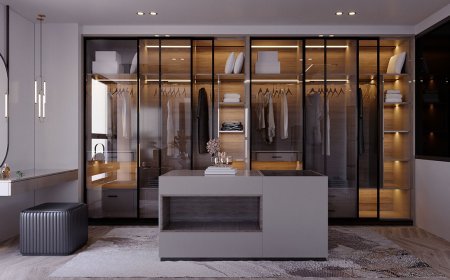
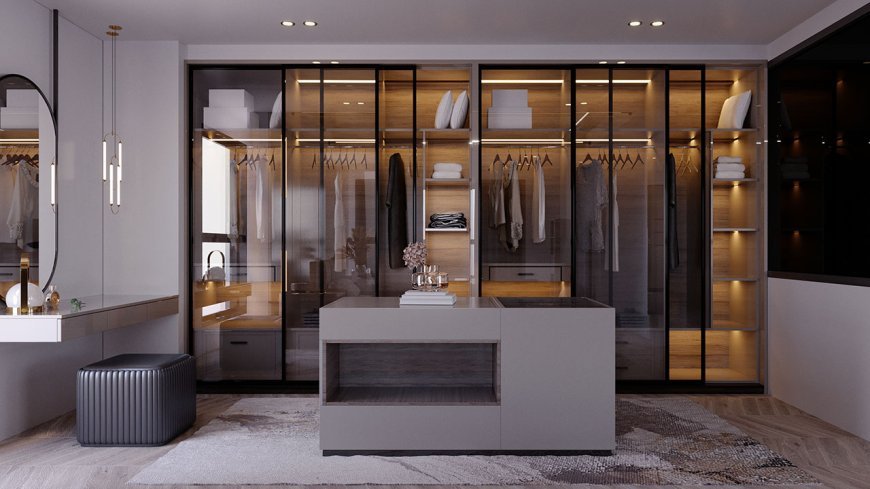
A walk-in wardrobe can include hanging sections, drawers, shoe shelves, open display areas, mirrors, and seating. Its layout can be arranged around the available floor plan, allowing homeowners to organise belongings according to their routines.
Good lighting and sufficient circulation space are essential. A well-planned walk-in wardrobe should feel comfortable rather than overcrowded.
Built-In Wardrobes
Built-in wardrobes are designed to fit into a specific section of a room. They can extend from floor to ceiling or occupy an entire wall, depending on the available space.
Their integrated appearance makes them suitable for contemporary interiors where clean lines and coordinated furniture are preferred. Built-in designs can also accommodate sloped ceilings, recessed spaces, and architectural details.
How to Plan a Functional Custom Wardrobe
A successful wardrobe design begins with understanding how the storage will be used. Before choosing materials or decorative finishes, homeowners should consider the quantity and types of belongings that need to be organised.
Evaluate Your Storage Requirements
Different households have different storage habits. Some people need more hanging space for formal clothing, while others require additional shelves for folded garments, sportswear, or accessories.
Begin by identifying the items that will be stored inside the wardrobe. Consider:
- Long garments that require full-height hanging sections.
- Shirts, jackets, and trousers that need shorter hanging spaces.
- Folded clothing that can be arranged on adjustable shelves.
- Shoes and handbags that require dedicated compartments.
- Accessories such as watches, belts, and jewellery.
- Seasonal clothing and bedding that can be stored in upper sections.
This assessment helps determine the most practical internal arrangement.
Choose the Right Internal Layout
The interior of a wardrobe should be designed around accessibility and organisation. A combination of hanging rails, drawers, shelves, and compartments can make daily use easier.
Frequently used clothing should be placed at a convenient height. Less frequently used belongings can be stored in upper compartments, while footwear and heavier items may be better positioned in lower sections.
Adjustable shelves are particularly useful because they allow the interior to adapt when storage requirements change.
Consider Door Opening and Accessibility
The wardrobe door system should suit the room's dimensions and furniture arrangement. Sliding doors can be useful where space is limited, whereas hinged doors may provide wider access to the interior.
The placement of nearby beds, bedside tables, windows, and room entrances should also be considered. Measuring the available clearance before finalising the design can prevent practical problems later.
Materials and Finishes That Define Modern Wardrobes
Materials influence a wardrobe's appearance, durability, maintenance requirements, and overall cost. Selecting appropriate materials is therefore an important part of the design process.
Wood and Wood-Effect Finishes
Wood remains a popular choice for bedroom furniture because it introduces warmth and natural character. Natural wood finishes can complement classic and contemporary interiors, depending on the grain, shade, and surface treatment.
Wood-effect laminates offer another option for homeowners who want the appearance of timber with a broad selection of colours and patterns. They can be used to create coordinated designs across wardrobe doors, shelving, and other bedroom furniture.
Matte and Gloss Finishes
Matte finishes offer a soft, understated appearance that works well in minimalist interiors. Neutral shades such as beige, grey, cream, and warm white can create a calm bedroom environment.
Gloss finishes reflect more light and may give a wardrobe a sleek, polished appearance. They can be particularly effective in contemporary spaces where homeowners want a brighter visual effect.
The choice between matte and gloss should consider the room's lighting, colour scheme, and cleaning preferences.
Glass and Mirrored Panels
Glass panels can introduce a refined appearance to wardrobe doors. Depending on the design, homeowners may choose clear, tinted, frosted, or decorative glass.
Mirrored panels serve both decorative and practical purposes. They provide a convenient surface for dressing while helping reflect light around the bedroom.
The frame, fittings, and installation quality should be considered when selecting glass-based designs.
Colour Ideas for Contemporary Wardrobe Designs
Colour selection has a significant impact on how a wardrobe looks within a bedroom. The right palette can create visual harmony and make the space feel more comfortable.
Neutral Colours for a Minimalist Appearance
White, cream, beige, taupe, and light grey are versatile choices for modern interiors. These colours can make wardrobes feel visually lighter and coordinate easily with different decorative styles.
Neutral wardrobes are especially suitable for homeowners who prefer a timeless appearance rather than a design based on short-term trends.
Natural Wood Shades for Warmth
Natural oak, walnut, and other wood-inspired finishes can introduce warmth and texture. They work well with neutral walls, soft furnishings, and understated decorative accessories.
A combination of wood-effect panels and solid-colour doors can create contrast without making the wardrobe look overly decorative.
Dark Finishes for a Sophisticated Interior
Charcoal, deep brown, and black finishes can create a bold appearance. These colours may work particularly well in spacious bedrooms with balanced lighting and lighter contrasting elements.
For smaller rooms, using dark finishes selectively can help prevent the wardrobe from dominating the interior.
Smart Storage Features for Better Organisation
Modern wardrobe designs can include practical accessories that make storage more efficient. These additions should be selected according to actual needs rather than simply because they are available.
Pull-Out Drawers and Organisers
Drawers provide convenient storage for smaller garments and accessories. Internal dividers can separate socks, belts, jewellery, and other personal items.
Soft-close drawer systems may provide smoother operation and reduce noise during everyday use.
Adjustable Shelving
Adjustable shelves allow homeowners to change the internal layout when their storage requirements evolve. They are useful for folded clothing, bags, boxes, and household items.
A flexible shelving system can help maintain organisation without requiring a complete wardrobe redesign.
Dedicated Shoe Storage
Shoes can quickly create clutter when they do not have a designated place. Angled shelves, pull-out racks, or individual compartments can make footwear easier to arrange and access.
The number and dimensions of shoe sections should reflect the household's collection and available wardrobe space.
Integrated Lighting
Lighting improves visibility inside deeper wardrobe compartments. LED strips, internal lights, and sensor-operated systems can make it easier to locate clothing and accessories.
Lighting should be planned with suitable electrical arrangements and appropriate installation methods. The design should also avoid excessive brightness that could make the bedroom feel uncomfortable.
Wardrobe Dubai Solutions for Small Bedrooms
Limited bedroom space does not mean homeowners must compromise on storage quality. A carefully planned wardrobe can provide useful capacity while maintaining an open and comfortable layout.
Use Vertical Storage
Floor-to-ceiling wardrobes can maximise the available wall height. Upper compartments are suitable for luggage, seasonal garments, and items that are not needed every day.
Using vertical space can also reduce the need for additional storage furniture.
Select Sliding Doors
Sliding doors are often practical in compact bedrooms because they do not require outward opening space. This can make it easier to position beds and other furniture nearby.
Mirrored sliding panels may also create a brighter visual effect when positioned appropriately.
Choose Light Colours and Simple Panels
Light-coloured wardrobe finishes can help smaller rooms feel more open. Simple door designs and minimal handles can reduce visual complexity.
Combining a wardrobe with the existing wall colour may also create a more integrated appearance.
Plan Multi-Functional Storage
A wardrobe can incorporate drawers, shelves, and selected compartments for different belongings. Where the layout allows, a dressing section or compact study-storage combination may also be considered.
The key is to maintain clear access and avoid adding features that reduce useful space.
Luxury Wardrobe Designs for Elegant Interiors
Luxury wardrobe design is not simply about expensive materials. It is about thoughtful planning, coordinated finishes, practical details, and quality workmanship.
Floor-to-Ceiling Wardrobe Installations
Tall wardrobes can create an impressive built-in appearance while providing additional storage. They can be designed with concealed upper compartments and consistent door panels.
Careful measurement is necessary to accommodate ceiling height, skirting, and other architectural features.
Glass Display Sections
Selected glass-fronted compartments can display handbags, accessories, or carefully arranged clothing. Internal lighting can make these areas more noticeable while adding visual interest.
A combination of closed storage and display sections helps maintain a balance between organisation and decoration.
Integrated Dressing Areas
A dedicated dressing section can include a full-length mirror, drawers, open shelves, and suitable lighting. This arrangement can make everyday preparation more convenient.
The design should provide enough room to move comfortably and access stored belongings.
Premium Hardware and Finishing Details
Handles, hinges, tracks, drawer runners, and internal fittings influence the overall user experience. Smooth operation and appropriate installation can improve the practicality of a wardrobe.
Choosing reliable hardware is an important part of creating furniture intended for regular use.
How Wardrobes Complement Different Interior Styles
A wardrobe should feel connected to the rest of the bedroom rather than appearing as an unrelated furniture item.
Minimalist Interior Design
Minimalist bedrooms benefit from simple wardrobe panels, concealed handles, and restrained colour combinations. Built-in wardrobes can help maintain clean lines and reduce visual clutter.
Modern Luxury Interiors
Modern luxury spaces often combine sophisticated finishes, balanced lighting, and carefully selected materials. Wardrobes may include wood textures, glass panels, subtle metallic details, or coordinated decorative surfaces.
Scandinavian-Inspired Bedrooms
Scandinavian-inspired interiors commonly feature light colours, natural textures, and functional furniture. Wardrobes in white, pale wood, or soft neutral shades can complement this style.
Contemporary Classic Interiors
Contemporary classic bedrooms combine traditional details with modern proportions. Wardrobes may feature framed panels, elegant handles, and understated decorative finishes.
The objective is to create a design that feels timeless while remaining practical for everyday use.
Important Factors to Consider Before Installing a Wardrobe
Careful preparation can help homeowners avoid design and installation issues. Measurements, material selection, and professional planning should all be addressed before production begins.
Accurate Measurements
Measure the available width, height, and depth of the installation area. Take note of skirting boards, ceiling details, electrical points, windows, and door openings.
For unusual room layouts, professional measurement can help ensure that the final design fits properly.
Ventilation and Interior Space
Wardrobes should allow practical storage without making the bedroom feel crowded. Internal arrangements should also consider suitable airflow and the type of belongings being stored.
Avoid overfilling compartments, as crowded storage can make clothing difficult to access.
Quality of Construction
The quality of panels, edges, fittings, tracks, hinges, and assembly can influence how well a wardrobe performs over time.
Ask about material specifications, hardware options, installation methods, and available warranties before confirming an order.
Maintenance Requirements
Different finishes require different cleaning methods. Some surfaces may show fingerprints more easily, while textured finishes may require additional attention.
Choosing materials that suit household routines can make long-term maintenance easier.
Understanding the Cost of Custom Wardrobe Dubai Projects
The cost of a custom wardrobe depends on several factors, including its dimensions, materials, design complexity, internal accessories, and installation requirements.
A simple built-in wardrobe with standard laminate finishes may require a different investment from a large walk-in wardrobe featuring glass doors, premium hardware, and integrated lighting.
Wardrobe Size and Configuration
Larger wardrobes generally require more materials and may involve more complex installation work. The number of doors, drawers, shelves, and specialised compartments can also affect the overall quotation.
Material Selection
The selected panels, surface finishes, glass elements, and hardware can influence the final price. Natural materials and specialised finishes may cost more than standard options.
Custom Features and Accessories
Pull-out organisers, soft-close mechanisms, internal lighting, shoe racks, and decorative display sections can increase the overall project cost.
Homeowners should prioritise features that provide genuine everyday value.
Installation and Workmanship
Installation costs may depend on the room layout, wardrobe dimensions, access conditions, and complexity of the design.
Requesting a detailed quotation can help clarify which materials, fittings, delivery arrangements, and installation services are included.
Choosing the Right Wardrobe Design and Installation Professional
Selecting a suitable professional is an important step in achieving the desired result. A wardrobe project involves design planning, material selection, accurate measurements, manufacturing, and installation.
Review Previous Projects
Looking at completed wardrobe projects can help homeowners understand a company's design approach and workmanship. Pay attention to finishing quality, door alignment, internal organisation, and how the furniture fits into the room.
Discuss Your Requirements Clearly
Explain the types of belongings you need to store, your preferred finishes, available dimensions, and expected budget. Sharing these details can help the designer develop a more practical proposal.
Compare Materials and Quotations
Do not compare quotations based only on the total price. Review the material specifications, hardware quality, internal fittings, installation services, and warranty terms.
A clear comparison makes it easier to understand the value offered by different providers.
Confirm the Installation Process
Before approving the project, discuss the expected production and installation schedule. Confirm how measurements will be checked, how the room will be prepared, and how any installation concerns will be addressed.
Future Trends in Contemporary Wardrobe Design
Wardrobe design continues to evolve as homeowners seek furniture that combines attractive appearances with practical functionality.
Minimalist and Handleless Designs
Clean door panels, concealed handles, and simple finishes remain popular choices for contemporary interiors. These designs can create a calm and coordinated bedroom environment.
Personalised Internal Storage
Customised compartments are becoming increasingly important because homeowners want wardrobes that reflect their individual routines. Adjustable shelves, specialised drawers, and dedicated accessory sections can improve organisation.
Integrated Technology
Modern wardrobe concepts may incorporate sensor lighting, automated opening mechanisms, and carefully planned electrical features. These additions should be selected according to practicality, maintenance requirements, and installation suitability.
Sustainable Material Choices
Some homeowners are also interested in materials with responsible sourcing, lower-emission finishes, and longer service life. Asking suppliers about material certifications and manufacturing practices can help when sustainability is a priority.
Conclusion: Create a More Organised Home with Wardrobe Dubai Designs
A well-designed wardrobe can transform the way a bedroom looks and functions. By combining practical storage arrangements with suitable materials, colours, and finishes, homeowners can create interiors that feel organised, comfortable, and visually appealing. From compact sliding-door installations to spacious walk-in dressing areas, custom solutions provide flexibility for different room dimensions and personal requirements.
Choosing the right Wardrobe Dubai design requires attention to measurements, storage habits, construction quality, accessibility, and interior coordination. Features such as adjustable shelving, organised drawers, integrated lighting, and carefully selected finishes can make everyday use more convenient while supporting a contemporary appearance. With thoughtful planning and professional installation, a custom wardrobe can become a valuable and lasting part of the home.
Frequently Asked Questions About Wardrobe Dubai
1. What are the benefits of choosing a custom Wardrobe Dubai design?
A custom wardrobe can be designed according to the room's dimensions, storage requirements, and interior style. It offers flexibility in terms of layout, materials, colours, door systems, and internal accessories. This makes it easier to create a storage solution that suits individual needs.
2. Which wardrobe design is best for a small bedroom?
Sliding-door and built-in wardrobes are often practical options for smaller bedrooms. Sliding doors reduce the clearance needed for opening, while floor-to-ceiling designs can make better use of vertical space. Light colours and simple panels can also help maintain an open appearance.
3. Are sliding wardrobes better than hinged wardrobes?
Neither option is universally better. Sliding wardrobes are useful where floor space is limited, while hinged wardrobes provide wider access when their doors are open. The most suitable choice depends on room dimensions, furniture placement, and personal preferences.
4. What materials are commonly used for custom wardrobes?
Common options include engineered wood panels, laminates, wood-effect finishes, natural wood, glass, and mirrored surfaces. The choice depends on the desired appearance, budget, maintenance preferences, and construction requirements.
5. Can a wardrobe be designed from floor to ceiling?
Yes. Floor-to-ceiling wardrobes can provide additional storage by using the available vertical space. Upper compartments are particularly useful for seasonal clothing, luggage, and belongings that are not needed regularly. Accurate measurements are important for a suitable fit.
6. What features should a modern wardrobe include?
Useful features may include hanging rails, adjustable shelves, organised drawers, shoe compartments, accessory dividers, and integrated lighting. The ideal combination depends on the types of belongings being stored and the user's daily routine.
7. How can I make my wardrobe more organised?
Divide the wardrobe into sections for hanging garments, folded clothing, footwear, and accessories. Use drawer organisers for smaller belongings and place frequently used items in easily accessible areas. Regularly reviewing stored items can also help maintain organisation.
8. What factors influence the cost of a custom wardrobe?
The overall cost may depend on wardrobe dimensions, materials, finishes, door mechanisms, hardware, internal accessories, and installation complexity. Additional features such as glass panels, specialised organisers, and integrated lighting may also affect the quotation.
9. How do I choose the right wardrobe colour for my bedroom?
Consider the room's wall colours, flooring, natural lighting, and existing furniture. Neutral shades can create a calm and versatile appearance, while natural wood finishes add warmth. Darker colours can provide contrast when balanced with suitable lighting and lighter elements.
10. How can I maintain a custom wardrobe over time?
Clean the surfaces using methods recommended for the selected material. Avoid excessive moisture, check hinges and sliding tracks periodically, and do not overload shelves or drawers. Following the manufacturer's maintenance guidance can help preserve the wardrobe's appearance and functionality.
What's Your Reaction?
 Like
0
 Dislike
0
 Love
0
 Funny
0
 Angry
0
 Sad
0
 Wow
0