





















What Does PPM Mean in Hydrogen Water and Why Does It Matter

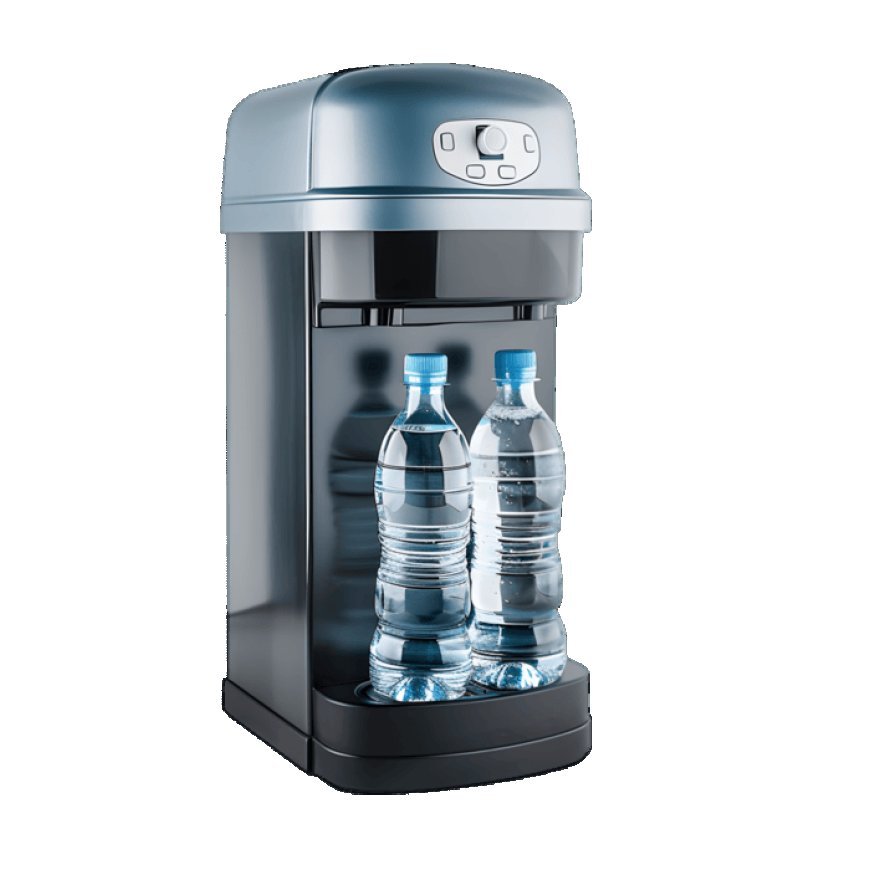
A hydrogen water bottle may display a reading of 1.2 ppm, while another machine advertises 1.6 ppm or more. These figures can influence a buying decision, but they do not tell the whole story. The number refers to the amount of dissolved hydrogen gas in the water, and several factors can affect that measurement. Understanding the figure helps consumers compare products, read technical claims, and avoid confusing marketing language with reliable information. It also explains why a high reading on a display does not always mean the water will contain that amount of hydrogen when someone drinks it.
Understanding What PPM Means
PPM stands for parts per million. It describes the concentration of one substance within a larger amount of another. In hydrogen water, the figure refers to dissolved molecular hydrogen gas, written as H₂, in the water. It does not measure the total minerals, oxygen, or other substances present in the drink.
For dilute solutions such as hydrogen water, 1 ppm is approximately equal to 1 milligram per litre (mg/L). A reading of 1 ppm therefore indicates roughly 1 mg of dissolved hydrogen in each litre of water. A 500 mL serving at that concentration would contain about 0.5 mg of dissolved hydrogen. This simple conversion makes it easier to compare figures shown in different units. Scientific papers often use mg/L or millimoles per litre (mmol/L), while product descriptions may use ppm.
The distinction matters because a concentration is not the same as a total amount. A litre of water at 1 ppm contains twice as much dissolved hydrogen as half a litre at the same concentration. People comparing products should therefore consider both the stated concentration and the volume of water they plan to drink.
Why Hydrogen Concentration Has a Natural Limit
Hydrogen gas does not dissolve in water as easily as some other gases. Under ordinary conditions, its solubility depends mainly on the pressure of the hydrogen gas above the water and the water's temperature. This relationship follows a scientific principle known as Henry's law.
At around 25°C and normal atmospheric pressure, water exposed to pure hydrogen gas can reach a saturation concentration of approximately 1.6 mg/L, or 1.6 ppm. This is a useful reference point, not a fixed limit for every machine or situation. Higher pressure or lower temperature can change how much hydrogen water holds. A system that uses pressure may therefore produce a reading above the usual figure measured under ordinary conditions.
Consumers should be cautious when a product advertises a very high concentration without explaining how it achieved that result. The manufacturer should provide the measurement conditions, including water temperature, pressure, and the time between production and testing. Without those details, two readings may not offer a fair comparison.
How PPM Readings Help Compare Products
A concentration reading gives buyers a starting point for comparing hydrogen water devices. For instance, one machine may report 0.8 ppm after a cycle, while another claims 1.3 ppm under similar conditions. The figures suggest that the second sample contains more dissolved hydrogen, but only if both manufacturers used reliable methods and comparable testing conditions.
This is where molecular hydrogen research becomes useful for understanding product claims. Published studies use different hydrogen concentrations, delivery methods, and study designs. Some experiments use hydrogen-rich water, while others examine inhaled hydrogen gas or other forms of delivery. A concentration used in one study should not automatically become a performance standard for every consumer device. The research needs to match the type of product and the way people use it.
A buyer should also look beyond the number on the display. Check whether the company explains how it measures hydrogen, whether it tests the water after the production cycle, and whether it provides independent test results. A clear explanation of testing conditions is more useful than an impressive figure without supporting information.
Why Hydrogen Can Escape From Water
Dissolved hydrogen does not remain in water indefinitely. Once a bottle or glass sits open, hydrogen gradually moves out of the liquid and into the surrounding air. The process can happen faster when someone pours the water between containers, shakes it, or leaves it exposed for an extended period.
The type of container also matters. A tightly sealed vessel can help slow hydrogen loss, while an unsuitable container may allow gas to escape through its material or closure. Research reviews describe hydrogen's small molecular size and high tendency to diffuse as key reasons for this loss.
This explains why the concentration measured immediately after a machine finishes its cycle may differ from the amount present when someone drinks the water. For a more meaningful comparison, check the reading at a clearly stated time after production. Follow the manufacturer's instructions about storage and drinking the water soon after preparation. A fresh measurement gives a more realistic picture of the concentration at the point of use.
How Scientists Measure Dissolved Hydrogen
A reliable concentration figure depends on the measurement method. One established laboratory approach uses gas chromatography. In this process, a researcher collects a water sample in a sealed container and measures the hydrogen that moves into the space above the liquid. The result helps determine how much hydrogen was dissolved in the original sample.
Researchers also use hydrogen-specific sensors and other analytical methods. Each approach has its own strengths and limitations. A 2022 experimental study on hydrogen-rich water examined methods for quantifying dissolved hydrogen and monitoring changes over time. A separate review of detection methods explains why researchers need suitable equipment and controlled procedures to obtain dependable results.
At home, some devices use small sensors or test kits to provide an estimate. These can help users monitor a product, but they may not offer the same accuracy as a properly conducted laboratory test. Buyers should ask what the device measures directly, how often they should calibrate it, and whether the manufacturer has validated its readings against a recognised laboratory method.
What PPM Does Not Tell You About Health Effects
A higher concentration does not automatically prove that a product will produce a particular health benefit. PPM describes the amount of dissolved hydrogen in a sample. It does not measure how the body responds, how long an effect may last, or whether a product can prevent or treat a medical condition.
Researchers have explored possible links between hydrogen water and oxidative stress, which occurs when the balance between reactive molecules and the body's antioxidant defences becomes disrupted. Laboratory and animal studies have reported findings that support further investigation. Human research has also examined changes in markers associated with oxidative stress, but results vary by population, study design, dose, and duration.
For instance, a 2024 systematic review and meta-analysis of six studies involving 76 healthy adults found no significant reduction in exercise-related oxidative stress markers compared with placebo. It did report an improvement in antioxidant capacity, particularly in studies involving intermittent exercise. The authors called for better-designed research before drawing firm conclusions. This shows why readers should assess the actual study findings rather than assume that a higher ppm figure guarantees a stronger result.
The evidence remains under development. Researchers need larger, well-controlled human trials to understand which concentrations may matter, which groups might benefit, and whether any observed changes lead to meaningful health outcomes. Consumers should not use hydrogen water as a replacement for medical advice or prescribed treatment.
Common Mistakes When Reading Product Claims
Several misunderstandings can make it difficult to judge hydrogen water products. One common mistake is treating oxidation-reduction potential (ORP) as a direct measurement of dissolved hydrogen. ORP measures the electrical potential associated with oxidation and reduction reactions in a solution. Other factors, including pH, can affect the reading, so a negative ORP value does not prove a particular hydrogen concentration.
A peer-reviewed analysis published in Frontiers in Food Science and Technology specifically cautions against using ORP to estimate or compare dissolved hydrogen levels. A product may display a strongly negative ORP reading, but that number alone cannot confirm its ppm value.
Another mistake is comparing readings taken under different conditions. A sample tested immediately after production may show a different concentration from one tested after several minutes in an open glass. Water temperature, container type, testing equipment, and measurement timing can all affect the result. Always check whether the figures come from comparable tests before deciding that one product performs better than another.
What to Check Before Buying a Hydrogen Water Device
A useful product description should explain more than its maximum advertised ppm level. Look for details that help you understand how the device performs during normal use.
Before making a decision, check:
-
Measurement method: Does the manufacturer explain how it measures dissolved hydrogen?
-
Testing conditions: Does it state the water temperature, sample volume, and time after production?
-
Independent results: Are laboratory reports or third-party test details available?
-
Container design: Does the bottle or storage system help limit hydrogen loss?
-
Daily capacity: Can the device prepare enough water for your usual routine?
-
Cleaning instructions: Does the manufacturer explain how to maintain the unit and its water-contact parts?
-
Clear specifications: Does the company distinguish measured results from estimated or maximum performance claims?
A product with transparent information may be easier to evaluate than one that relies on large numbers and vague promises. If a manufacturer cannot explain how it reached its advertised concentration, treat the figure carefully.
Making Sense of the Numbers
PPM offers a simple way to describe how much molecular hydrogen is dissolved in water. It becomes useful when manufacturers provide accurate measurements and explain the conditions behind them. A concentration figure without that context can create confusion rather than help buyers make a sound decision.
Before choosing a device, compare its testing method, storage design, and real-world performance alongside its advertised reading. Remember that concentration alone does not establish a health outcome. A clear, verifiable measurement gives you a better basis for comparing products and understanding what you are actually drinking.
What's Your Reaction?
 Like
0
 Dislike
0
 Love
0
 Funny
0
 Angry
0
 Sad
0
 Wow
0