























Addiction Recovery Tips for Families in Jalandhar
Learn 10 useful addiction recovery tips for families in Jalandhar, including withdrawal safety, counselling, relapse prevention and rehabilitation support.
Addiction Recovery at Home: 10 Practical
Things Every Family Should Know Before
Choosing a Nasha Mukti Kendra in Jalandhar
Addiction affects more than the person consuming alcohol or drugs. It can change family relationships, create financial difficulties, affect physical health and make everyday life stressful for everyone involved.
For families in Jalandhar, one of the biggest challenges is understanding what to do when a loved one develops substance dependency. Some families try to manage the situation at home, while others immediately start searching for a professional Nasha Mukti Kendra in Jalandhar.
However, addiction recovery requires more than simply stopping substance consumption. Families need to understand medical safety, counselling, healthy routines, relapse prevention and the importance of continued support.
Here are ten practical things that can help families make better decisions.
1. Never Ignore Sudden Changes in Behaviour
One of the earliest ways families recognise addiction is through changes in everyday behaviour.
An individual who previously enjoyed spending time with family may suddenly become isolated. Someone who was responsible with money may begin borrowing frequently or hiding expenses.
Watch for changes such as:
-
Regularly missing work or educational activities.
-
Becoming unusually secretive.
-
Losing interest in hobbies.
-
Experiencing frequent mood changes.
-
Neglecting personal hygiene.
-
Repeatedly asking for money without explanation.
-
Continuing substance consumption despite negative consequences.
These signs do not automatically prove addiction, but they may indicate that a conversation and professional assessment are needed.
2. Understand the Difference Between Dependence and Withdrawal
Physical dependence can develop when the body adapts to repeated substance exposure.
When consumption stops or decreases suddenly, withdrawal symptoms may occur.
Depending on the substance, symptoms can include sweating, shaking, nausea, anxiety, restlessness and sleep disturbances.

Alcohol and certain sedative withdrawals can become life-threatening.
Important: Never force someone with possible alcohol or sedative dependence to stop suddenly without medical advice. Seizures, severe confusion, hallucinations, breathing difficulties or unconsciousness require urgent medical attention.
Professional assessment helps determine the safest treatment approach.
3. Create a Simple Daily Recovery Routine
A structured routine can help individuals establish stability during recovery.
Families can encourage healthy daily habits, including:
| Activity | Possible benefit |
|---|---|
| Regular waking time | Encourages consistency |
| Balanced meals | Supports general health |
| Daily physical activity | Improves physical well-being |
| Reading or learning | Encourages positive engagement |
| Family interaction | Strengthens relationships |
| Proper sleep | Supports emotional well-being |
| Counselling appointments | Provides professional guidance |
These habits complement professional treatment; they do not replace addiction therapy or medical care.
4. Identify and Avoid Personal Addiction Triggers
An addiction trigger is a situation, feeling, person or environment that may increase the desire to consume a substance.
Common triggers include:
-
Meeting people associated with previous substance use.
-
Visiting places where substances were regularly consumed.
-
Experiencing financial or relationship stress.
-
Feeling lonely or emotionally overwhelmed.
-
Attending social gatherings involving substance use.
-
Returning to unhealthy daily routines.
Individuals can work with their counsellors to identify personal triggers and prepare practical responses.
For example, someone who experiences strong cravings during stressful situations may benefit from contacting a support person, using coping techniques or attending a counselling session.
5. Learn How to Respond to a Relapse
Relapse can occur during addiction recovery, but it should not be treated as proof that treatment has failed.
Families should respond constructively rather than using blame or humiliation.
Here are some important steps:
-
Assess whether the individual needs immediate medical attention.
-
Contact an appropriate healthcare professional.
-
Identify the circumstances surrounding the relapse.
-
Review the existing treatment plan.
-
Strengthen counselling and follow-up support.
-
Re-establish healthy boundaries and recovery goals.
A relapse may indicate that the treatment approach needs reassessment or additional support.
6. Understand the Importance of Nutrition and Physical Health
Substance dependency can affect eating habits, sleep patterns and general physical health.
Some individuals may experience nutritional deficiencies or other medical complications.
A healthcare professional may recommend appropriate dietary improvements based on individual health requirements.
Useful general habits include:
-
Eating balanced meals.
-
Drinking adequate water.
-
Maintaining regular meal timings.
-
Including fruits and vegetables.
-
Avoiding excessive caffeine when it affects sleep.
-
Following prescribed medical treatment.
Nutrition can support overall recovery, but no special diet can independently cure addiction.
7. Support Mental Health Alongside Addiction Treatment
Addiction and mental health difficulties can occur together.
Some individuals experience anxiety, depression, emotional distress or trauma-related difficulties alongside substance dependency.
Ignoring these concerns may make recovery more challenging.
Professional support can include:
Individual counselling: Helps individuals understand personal difficulties and addiction triggers.
Cognitive Behavioural Therapy: Helps identify unhelpful thinking patterns and develop healthier coping responses.
Family counselling: Improves communication and helps relatives understand how to provide appropriate support.
Psychiatric assessment: Helps identify and treat co-occurring mental health conditions when necessary.
A comprehensive treatment plan should consider both physical and psychological well-being.
8. Know What to Check Before Selecting a Rehabilitation Centre
Families searching for a Nasha Mukti Kendra in Jalandhar should carefully evaluate available treatment facilities.
Before admission, ask these questions:
-
Are qualified healthcare professionals involved?
-
Is medical assessment conducted before treatment?
-
How are withdrawal emergencies managed?
-
Are individual counselling sessions available?
-
Can families participate in treatment?
-
Are patient rights and privacy respected?
-
What are the complete treatment charges?
-
Is follow-up care available after discharge?
Avoid centres that promise guaranteed cures, use misleading claims or cannot clearly explain their medical arrangements.
A suitable rehabilitation facility should prioritise patient safety, informed consent and appropriate professional care.
9. Prepare a Family Support Plan
Families often want to help but may not know how to contribute positively.
A simple support plan can make responsibilities clearer.
Parents: Encourage treatment, maintain communication and avoid unnecessary confrontation.
Spouses: Establish healthy boundaries and participate in counselling when appropriate.
Siblings: Offer emotional support without enabling harmful substance use.
Other relatives: Help create a positive environment and avoid spreading private information.
Families should also look after their own emotional well-being. Supporting someone through addiction can be stressful, and relatives may benefit from counselling or support services themselves.
10. Continue Recovery Support After Rehabilitation
Leaving a rehabilitation facility does not mean that the recovery journey has ended.
Individuals may return to familiar environments where old habits and triggers are present.
An aftercare plan may include:
-
Regular follow-up appointments.
-
Continued psychological counselling.
-
Participation in suitable support groups.
-
Healthy social activities.
-
Family communication.
-
Relapse-prevention strategies.
-
Medical monitoring when required.
Long-term recovery is supported by consistency, appropriate treatment and access to help when difficulties arise.
Jivan Ka Ehsaas Nasha Mukti Kendra: Supporting Better Recovery Decisions Since 2010
Established by Gagandeep in 2010, Jivan Ka Ehsaas Nasha Mukti Kendra focuses on addiction rehabilitation and support for individuals affected by substance dependency.
The organisation highlights the importance of rehabilitation support, counselling, healthier lifestyle practices and family participation.
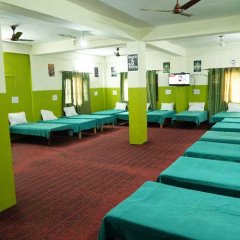
Families exploring a Nasha Mukti Kendra in Jalandhar can visit its dedicated webpage to learn more about its services and rehabilitation approach.
Before choosing a treatment programme, families should enquire about medical supervision, withdrawal management, counselling, accommodation, admission requirements and aftercare arrangements.
Understanding these details can help them make a more informed decision for their loved one.
Why Addiction Awareness Is Important for Jalandhar Families
Jalandhar has a diverse population of students, working professionals, business owners and families. Substance dependency can affect people from every background.
Addiction awareness should therefore become part of everyday family conversations.
Parents can encourage children to participate in sports, education and positive activities. Educational institutions can promote awareness about substance-use risks, while communities can help reduce the stigma associated with professional treatment.
The goal should be to make it easier for individuals to seek help before addiction creates more serious consequences.
A Better Recovery Journey Begins With the Right Information
No family should feel that they must understand every aspect of addiction without professional guidance.
Learning about warning signs, withdrawal risks, treatment options and relapse prevention can help relatives make safer and more informed decisions.
Jivan Ka Ehsaas Nasha Mukti Kendra, established by Gagandeep in 2010, provides an opportunity for families to explore rehabilitation-related support.
If you are searching for a Nasha Mukti Kendra in Jalandhar, take time to understand the available services, ask the right questions and seek qualified medical advice.
Addiction recovery is not just about leaving substances behind. It is about rebuilding health, restoring confidence and creating a healthier future.
Frequently Asked Questions
1. Can addiction recovery be managed entirely at home?
Some people may receive outpatient treatment, but others require medically supervised withdrawal management or residential care. A qualified professional should determine the appropriate setting.
2. What should families do if someone experiences severe withdrawal symptoms?
Seek emergency medical assistance immediately, especially if the person experiences seizures, severe confusion, hallucinations or unconsciousness.
3. How can families prevent relapse?
Encourage continued treatment, identify personal triggers, maintain healthy routines and support regular follow-up appointments.
4. Does healthy food help with addiction recovery?
Balanced nutrition supports general physical health, but it cannot replace medical treatment, counselling or evidence-based addiction therapies.
5. Is family counselling necessary during rehabilitation?
It is not mandatory in every case, but it can help families understand addiction, improve communication and establish healthier boundaries.
6. Can someone recover after experiencing a relapse?
Yes. Relapse does not mean recovery is impossible. Professional reassessment and an updated treatment plan can help the individual continue working towards recovery.
What's Your Reaction?
 Like
0
 Dislike
0
 Love
0
 Funny
0
 Angry
0
 Sad
0
 Wow
0