





















Best Skin Care Brand in Pakistan for Acne-Prone Skin: What to Look For
Discover what to look for in the best skin care brand in Pakistan for acne-prone skin. Learn about effective ingredients, gentle formulas and skincare essentials.

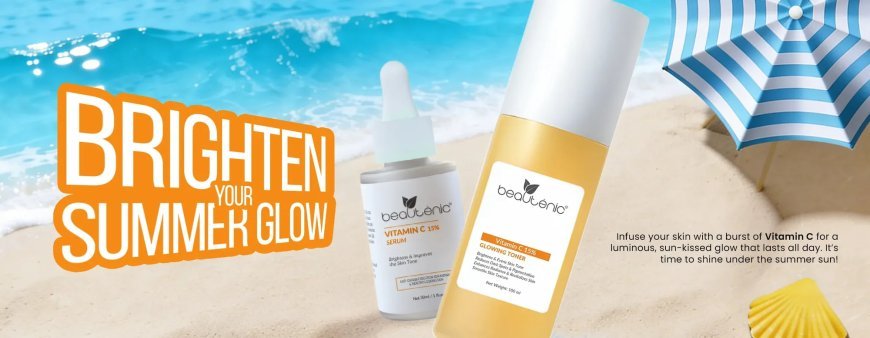
The right skin care brand for acne-prone skin in Pakistan is one whose products match your type of acne, not just one that says “anti-acne” on the label. Look for a brand that offers salicylic acid for blackheads and whiteheads, azelaic acid for red, inflamed breakouts and post-acne marks, and niacinamide for oil control and calming, all at clearly stated strengths. Its supporting products, including cleanser, moisturiser and sunscreen, should be gentle, non-comedogenic and light enough for humid weather. Beautenic is one Pakistani brand that covers these needs with a focused, climate-friendly range.
Many people with acne in Pakistan cycle through product after product without lasting improvement. Often the problem is not that the products are bad, but that they are not suited to the type of acne being treated, or they are used alongside other products that work against them. This guide takes a practical approach. It explains how to identify your acne type, what a brand should offer for each one and how to spot brands that may make your skin worse.
Step One: Identify Your Type of Acne
Mostly Blackheads and Whiteheads
If your skin is covered in small dark dots on the nose and chin, tiny white bumps on the forehead or a rough, bumpy texture, you are mainly dealing with comedonal acne. This type is driven by clogged pores rather than heavy inflammation and is especially common in oily skin and humid climates like Karachi.
Red, Inflamed Pimples
If your breakouts are red, swollen and sometimes tender, with or without pus, you have inflammatory acne. These pimples are more likely to leave dark marks behind on brown skin.
Jawline and Chin Breakouts
If your acne appears mainly on the lower face and flares around your menstrual cycle, it may be hormonal acne. This is common in adult women and is sometimes linked to conditions such as PCOS.
Acne with Lots of Dark Marks
If your active breakouts are mild but you have many brown or dark marks left behind, post-acne pigmentation may be your biggest concern.
Deep, Painful Cysts
If you have large, painful lumps under the skin or acne that leaves pitted scars, you likely need medical treatment from a dermatologist alongside skincare.
Step Two: Match the Brand to Your Acne
For Blackheads and Whiteheads
Choose a brand that offers a salicylic acid serum or toner, usually between 0.5% and 2%. Salicylic acid is oil-soluble and works inside pores to dissolve clogs. A brand that also offers combined AHA and BHA products can help smooth texture at the same time. Supporting products should be lightweight and non-comedogenic so they do not re-clog pores.
For Red, Inflamed Pimples
Look for azelaic acid, which reduces acne bacteria and calms inflammation, along with niacinamide to soothe redness. These ingredients are gentler than many harsh acne treatments, which is important because irritation can make inflamed acne worse and trigger dark marks.
For Hormonal Acne
Azelaic acid is often a strong choice because it targets inflammation and marks while remaining gentle. Salicylic acid on alternate nights can help with any accompanying congestion. A brand that offers both, plus guidance on using them together, is especially useful. Persistent hormonal acne should also be checked by a doctor.
For Post-Acne Marks
Choose a brand with azelaic acid and niacinamide for pigmentation, glycolic acid for gentle surface exfoliation and, most importantly, a tinted mineral sunscreen with iron oxides. Sun and visible light darken marks on brown skin, so protection is essential.
For Severe or Cystic Acne
Skincare can support treatment, but a dermatologist should guide your care. Choose gentle, non-comedogenic basics from a trusted brand and avoid harsh products that can worsen inflammation.
Step Three: Check the Supporting Products
Acne treatments are only part of the routine. The rest of your products can either support or sabotage your progress.
A good acne-friendly brand should offer a gentle, non-stripping cleanser that removes oil and sunscreen without leaving the skin tight. Harsh foaming washes may feel clean but can damage the barrier and trigger more oil.
Its moisturiser should be lightweight, oil-free and non-comedogenic. Skipping moisturiser often backfires, especially when using drying actives.
Its sunscreen should be non-comedogenic and comfortable in heat. A tinted mineral sunscreen is ideal for brown skin because it blends without a white cast and helps prevent acne marks from darkening.
Warning Signs a Brand May Worsen Acne
Some brands, even popular ones, may not suit acne-prone skin. Be cautious if a brand relies heavily on fragrance or essential oils, as these can irritate inflamed skin. Avoid brands that sell thick, oily creams for all skin types without offering lighter options.
Watch out for brands that encourage stacking several strong actives at once, such as salicylic acid, glycolic acid, retinol and benzoyl peroxide in the same routine, without any guidance. This often leads to irritation and more breakouts.
Be wary of brands that combine acne claims with whitening or bleaching promises. Harsh lightening products can irritate the skin and, in unverified products, may contain harmful hidden ingredients.
Finally, avoid brands that do not show full ingredient lists or concentrations, and those sold only through anonymous social media pages.
Step Four: Test the Brand Properly
Once you choose a brand, start with one active product that targets your main acne type. Patch test it for a few days, then use it two or three times a week. Increase slowly if your skin stays comfortable.
Give it at least six to twelve weeks of consistent use before judging results. In the first few weeks, some people experience mild purging with salicylic acid, which usually settles. Persistent irritation, redness or breakouts in new areas suggest the product may not suit you.
Wear sunscreen every morning throughout. Without it, acne marks will continue to darken, making it hard to see progress.
Take photos every two weeks in the same lighting to track real changes.
Why Beautenic Fits Acne-Prone Skin
Beautenic is a Pakistani skincare brand that offers several of the products acne-prone skin needs. Its range includes salicylic acid for clogged pores and blackheads, azelaic acid for inflamed breakouts and post-acne marks, niacinamide for oil control and calming, exfoliating AHA plus BHA options for texture, and a tinted mineral sunscreen designed for medium and deep skin tones.
Beautenic designs its products with Pakistani weather in mind, offering lightweight textures that suit heat and humidity. Its products also work together, which makes it easier to build a complete routine without mixing incompatible formulas from many different brands. Buying from Beautenic’s official channels helps ensure the products are genuine and properly stored.
Daily Habits That Make Any Brand Work Better
Even the best products cannot overcome habits that trigger breakouts. Avoid picking or squeezing pimples, change pillowcases regularly, clean your phone screen and keep hair oils away from your forehead. Cleanse after heavy sweating, but avoid washing your face too often. Manage stress and sleep where possible, as both can influence acne.
Frequently Asked Questions
How do I choose a skin care brand for my type of acne?
Identify whether your acne is mainly clogged pores, inflamed pimples, hormonal or mark-related, then choose a brand that offers the right ingredients for that type.
Which ingredient is best for blackheads?
Salicylic acid, because it works inside pores to clear clogs.
Which ingredient is best for acne marks?
Azelaic acid and niacinamide, combined with daily tinted sunscreen.
Can using too many acne products make acne worse?
Yes. Stacking strong actives can irritate the skin and cause more breakouts.
When should I see a dermatologist for acne?
If acne is severe, cystic, scarring or does not improve after two to three months of consistent care.
Final Thoughts
The best skin care brand for acne-prone skin is the one that fits your specific type of acne and supports it with gentle, non-comedogenic basics. Identify your acne type, choose the right ingredients, avoid brands with warning signs and give your routine enough time to work. Beautenic offers a focused range of acne-friendly products made for Pakistani skin and weather, making it a practical choice for anyone looking for clearer, calmer skin.
What's Your Reaction?
 Like
0
 Dislike
0
 Love
0
 Funny
0
 Angry
0
 Sad
0
 Wow
0