





















How Does a Medical Waste Incinerator Support Safe Disposal?

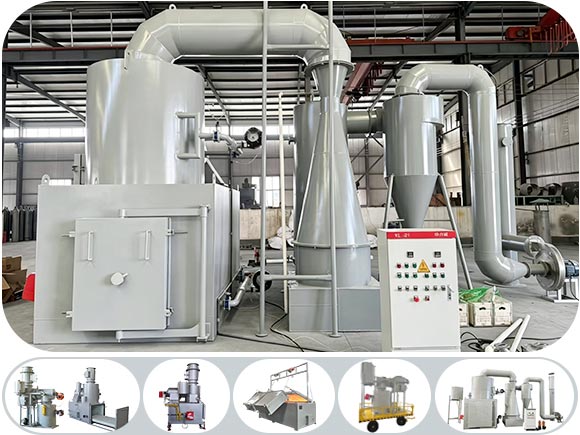
Medical waste requires careful handling because contaminated materials can create health and environmental risks when disposed of incorrectly. A medical waste incinerator supports safer disposal by treating selected healthcare waste through controlled thermal processing. It helps reduce waste volume and can destroy infectious materials under appropriate operating conditions. Healthcare facilities can use suitable incineration systems as part of a properly planned waste management process.
What Is a Medical Waste Incinerator?
A medical waste incinerator is a specialized thermal treatment system designed to process certain types of healthcare waste. Depending on the design and applicable regulations, it can treat materials such as contaminated dressings, pathological waste, and other suitable waste streams. Controlled combustion converts treated waste into ash and gaseous products that require appropriate management.
How Does Incineration Support Safe Disposal?
Incineration supports safe disposal by subjecting suitable medical waste to controlled temperatures that destroy many infectious organisms and reduce the original waste volume. This process can help limit the amount of contaminated material requiring further handling. Proper loading, temperature control, operating procedures, and emission management are essential for achieving safe and effective treatment.
Reduces the Volume of Medical Waste
One important advantage of a medical waste incinerator is its ability to substantially reduce the volume of suitable waste. Healthcare facilities can generate considerable quantities of contaminated materials every day. Thermal treatment converts combustible waste into a much smaller quantity of ash, making subsequent handling and disposal more manageable when conducted according to applicable requirements.
Helps Control Infectious Risks
Medical waste may contain pathogens that can pose risks to healthcare workers, waste handlers, and communities. Properly operated thermal treatment can destroy many microorganisms present in suitable waste. By reducing infectious materials before final disposal, a medical waste incinerator can contribute to better infection control practices and safer healthcare waste management procedures.
Role of a Mobile Incinerator
A mobile incinerator provides additional flexibility when waste treatment is required at different locations. Portable systems can be useful for remote healthcare facilities, temporary medical operations, emergency situations, and other locations where centralized treatment infrastructure may be limited. Their use still requires suitable installation, trained operators, safe procedures, and compliance with local environmental regulations.
Importance of Temperature Control
Temperature control is an important part of effective incineration. The combustion conditions must be appropriate for the waste being treated and the equipment design. Monitoring temperature and operating parameters helps maintain consistent performance. Modern systems may incorporate control and monitoring features that assist operators in maintaining suitable combustion conditions throughout the treatment process.
Emission and Pollution Control
Safe medical waste treatment involves more than simply burning waste. Incineration can produce gases and particulate matter, so appropriate emission control equipment and operating practices are important. A well designed medical waste incinerator may incorporate secondary combustion and pollution control technologies to help manage emissions. Facilities should follow applicable environmental standards and operating requirements.
Proper Waste Segregation
Waste segregation is essential before using an incinerator. Not every healthcare waste material is appropriate for thermal treatment, and incompatible materials can create safety or environmental problems. Healthcare facilities should separate waste according to applicable categories and procedures before treatment. Correct segregation improves operational safety and helps ensure that the incinerator handles suitable materials.
Safe Operation and Maintenance
Regular maintenance helps a mobile incinerator or fixed incineration system operate reliably. Operators should inspect combustion chambers, temperature monitoring equipment, emission control components, and other critical parts according to the manufacturer's instructions. Proper training is equally important because correct loading, startup, operation, shutdown, ash handling, and recordkeeping all contribute to safer waste management.
Conclusion
A medical waste incinerator supports safer disposal by reducing suitable waste volume and destroying many infectious materials through controlled thermal treatment. A mobile incinerator can provide flexible treatment where required. However, safe performance depends on segregation, proper operation, maintenance, emission control, trained personnel, and compliance with applicable healthcare and environmental regulations.
What's Your Reaction?
 Like
0
Like
0
 Dislike
0
Dislike
0
 Love
0
Love
0
 Funny
0
Funny
0
 Angry
0
Angry
0
 Sad
0
Sad
0
 Wow
0
Wow
0