


















How Kraft Paper Bag Printing Improves Packaging and Presentation
With kraft paper bag printing, businesses can add logos, product details, colours, and other design elements to paper packaging without losing its natural appearance. The best results come from balancing attractive design with strength, practical use, and the needs of the product inside.

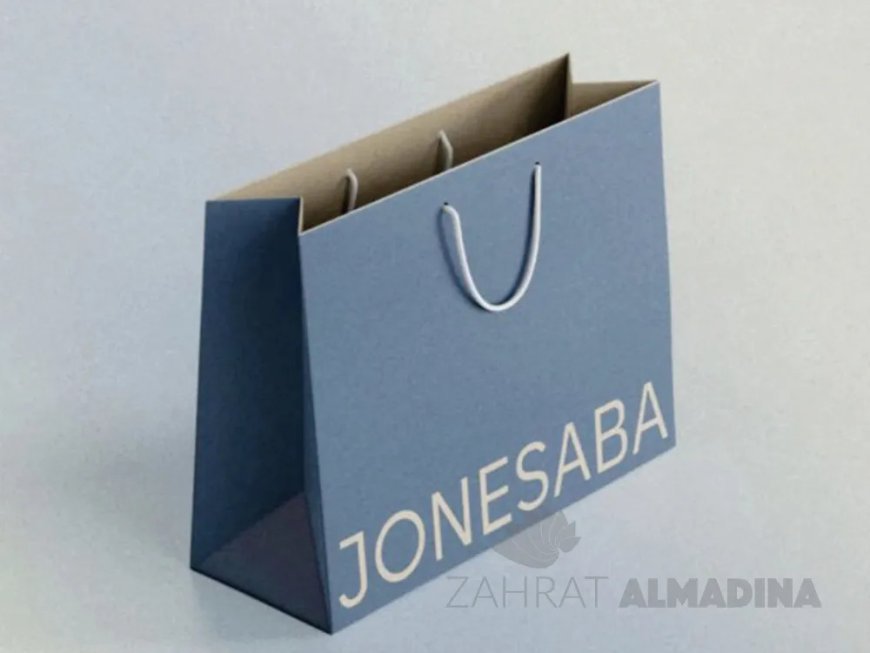
Packaging influences how people see a product before they even open it. A clean, well-designed bag can make a purchase feel more organised, protect items during transport, and give customers a convenient way to carry their shopping. With kraft paper bag printing, businesses can add logos, product details, colours, and other design elements to paper packaging without losing its natural appearance. The best results come from balancing attractive design with strength, practical use, and the needs of the product inside.
1. Why Kraft Paper Bag Printing Matters for Modern Packaging
Kraft paper bags are commonly used by retail shops, cafés, bakeries, boutiques, gift stores, and businesses that need simple packaging for everyday products. Their brown or white paper surfaces provide a useful base for printing, while different sizes and handle styles make them suitable for many purposes.
Printing adds information and identity to the bag. A bakery might display its name and contact details, while a clothing shop could use a simple logo with a clean layout. A gift store may choose a more decorative design for seasonal packaging.
Making Packaging Easy to Recognise
Customers often see a bag while walking through a shopping centre, entering an office, or carrying purchases home. A clear logo and readable design can help people recognise the business without making the packaging look crowded.
For example, a small bakery may use the same logo, font, and two colours across its takeaway bags, pastry boxes, and product labels. This consistent appearance helps customers connect the packaging with the business.
Balancing Appearance with Function
A printed bag still needs to perform its main job: carrying products safely. Heavy printing, decorative finishes, or attractive handles cannot make up for paper that is too thin for the intended load.
Before selecting a design, businesses should consider the weight, shape, and size of the products. A bag carrying a light pastry box has different requirements from one holding several glass jars or clothing items.
2. Understanding Kraft Paper and Its Different Types
Kraft paper is made using a pulping process that produces strong paper fibres. The term does not mean that every kraft bag has the same strength, thickness, or environmental impact. Those qualities depend on the paper grade, manufacturing process, coatings, and construction.
Brown Kraft Paper
Brown kraft paper keeps the natural colour associated with this type of packaging. Its simple appearance suits handmade products, bakeries, cafés, clothing stores, and gift packaging.
Dark ink often stands out clearly against the brown surface. Businesses that prefer a minimal design can use a small logo, a short message, or a simple pattern rather than covering the entire bag with artwork.
White Kraft Paper
White kraft paper provides a lighter background that can suit colourful designs and detailed branding. It is often used when a business wants a clean, bright appearance or needs its printed colours to stand out.
However, the final colour can vary according to the paper coating and printing method. A sample helps confirm whether the finished bag matches the intended design.
Paper Weight and Strength
Paper weight is an important factor when choosing a bag. Heavier paper may offer greater stiffness, but the actual carrying capacity also depends on the bag's construction, base, seams, and handles.
A business selling small accessories may not need the same paper strength as a shop selling books or packaged food. Testing the bag with the intended products is a practical way to identify problems before ordering a large quantity.
3. Choosing the Right Printing Method
The printing method affects colour accuracy, detail, production cost, and how well the design suits the paper surface. The best choice depends on the quantity, artwork, bag material, and expected appearance.
Flexographic Printing
Flexographic printing uses flexible printing plates and is commonly used for packaging production. It can be suitable for larger quantities, especially when the design contains a limited number of colours.
The initial setup may make it less economical for very small orders. However, when many bags use the same design, it can provide consistent results across the production run.
Screen Printing
Screen printing transfers ink through a mesh screen onto the paper surface. It may suit simpler designs and selected order sizes, depending on the equipment and production process.
The number of colours and the complexity of the artwork can affect setup time and cost. Businesses should ask whether the chosen paper surface is suitable for the ink and whether the finished design requires additional drying time.
Digital Printing
Digital printing can be useful for short runs, detailed artwork, or designs that need to change between batches. It may also suit businesses that want to test a design before committing to a larger order.
Not every digital printing process works equally well on every kraft paper surface. Paper colour, texture, ink absorption, and machine limitations can affect the final result, so a printed sample is worth checking.
Selecting a Method Based on the Order
A shop ordering a few hundred bags with a one-colour logo may have different requirements from a retailer ordering thousands of bags with a detailed design. Comparing methods against the same specifications helps businesses avoid paying for features they do not need.
The decision should consider the total cost, expected print quality, production schedule, and repeat-order requirements rather than choosing a method based on price alone.
4. Designing Bags That Customers Can Read and Use
A strong design communicates the most important information quickly. Since a paper bag has limited space, businesses should decide what customers need to notice first.
Keep Logos and Text Clear
A logo should be large enough to recognise but should not overwhelm the bag. Business names, website addresses, and other details need enough space to remain readable.
Very small text can become difficult to read on a textured surface. Thin lines and detailed graphics may also lose clarity if the printing process or paper is unsuitable.
For example, a boutique selling handmade accessories might print its logo in the centre of a brown bag and place a short product message beneath it. This creates a clear design without filling every available area.
Use Colour with Purpose
Colour can help a bag stand out, but more colours do not automatically produce a better design. A limited palette often looks neat and can simplify production.
Brown kraft paper changes the appearance of printed colours because the background is not white. Light colours may appear less vivid, while dark colours often provide stronger contrast. Businesses should review a proof on the actual paper type before approving production.
Consider Both Sides of the Bag
The front panel is usually the main display area, but the back and sides can also serve a purpose. A business might place its logo on the front and add care instructions, a short message, or contact details elsewhere.
The design should not interfere with practical features such as folds, handles, seams, or the bag's base. Keeping important artwork away from these areas can reduce the risk of distortion.
5. Uses Across Retail, Food, and Corporate Events
Kraft paper bags can serve different industries because they are available in several shapes and sizes. The correct design depends on the product, the customer's needs, and how the bag will be handled.
Retail Shops and Boutiques
Clothing shops, bookstores, gift stores, and accessory retailers use paper bags to carry purchases. A well-sized bag helps protect products from ordinary handling while making them easier to transport.
A clothing retailer may select a wide bag for folded garments, while a jewellery shop may need a smaller bag with a reinforced base. The packaging should suit the product instead of forcing every item into one standard size.
Cafés and Bakeries
Food businesses may use kraft bags for bread, pastries, takeaway items, or packaged products. The paper and printing materials must be suitable for the intended food packaging application.
Grease, moisture, and heat can affect paper performance. A bag intended for oily food may need a suitable barrier or liner, while a simple bag may be sufficient for dry bakery products. Businesses should confirm food-contact suitability with the supplier and follow applicable safety requirements.
Corporate Gift Items
Printed paper bags can also be used to present corporate gift items at meetings, exhibitions, employee events, and customer appreciation programmes. They may hold notebooks, mugs, small accessories, stationery, or other gifts.
For example, a company preparing welcome packs for new employees could use a printed kraft bag containing a notebook, pen, and reusable bottle. A simple design with the event name or company logo can make the package look coordinated without requiring expensive wrapping.
The bag should be strong enough for the combined weight of the items. Fragile products need suitable inner packaging, and any liquid containers should be secured to prevent leaks or damage.
6. Working with a Print Shop Dubai
Choosing a supplier requires more than comparing the price of a bag. A print shop dubai businesses consider should be able to explain paper types, printing options, available sizes, handle styles, minimum quantities, and production timelines.
Clear specifications help ensure that different quotations can be compared fairly. One supplier may quote for lighter paper or simpler handles, while another may include thicker paper, stronger construction, or additional finishing.
Questions to Ask Before Ordering
Before approving a production run, businesses should confirm:
-
What paper type, weight, and bag dimensions are included?
-
What is the expected carrying capacity?
-
Which printing method will be used?
-
How many colours can the design include?
-
Are handles, setup charges, and delivery included in the price?
-
What is the minimum order quantity?
-
How long will sampling, printing, and delivery take?
-
Can the supplier provide a sample before full production?
A business researching local packaging and printing services may come across Zahrat Al Madina Printing as one example of a Dubai-based provider. Buyers should assess any supplier according to their actual requirements, agreed specifications, and confirmed delivery terms.
Approve a Sample Before Bulk Production
A sample allows the buyer to examine the paper, handles, folds, base, print placement, and colour quality. It can reveal issues that may not be obvious in a digital mock-up.
For a large order, checking a sample can help prevent hundreds of bags from being produced with the wrong size, an unclear logo, or unsuitable paper. The final artwork and specifications should be approved before production begins.
7. Cost, Storage, and Quality Control
The total cost of printed bags depends on several factors, including paper weight, size, printing method, number of colours, handles, finishing, and order quantity. Businesses should compare the price per finished bag rather than looking only at the basic paper cost.
Plan the Quantity Carefully
Ordering more bags may reduce the unit price, but excess stock takes up space and ties up money. Businesses should estimate normal usage, seasonal demand, and likely changes to their branding before placing a large order.
A small shop may prefer to order a manageable quantity and review the results before reordering. A large retailer with steady demand may benefit from a longer production run, provided it has enough storage space.
Store Bags Properly
Paper packaging can be affected by moisture, dust, and pressure. Bags should be stored in a dry area and kept away from leaks or damp walls. Heavy objects should not be placed on top of them if doing so could flatten handles or damage folds.
Businesses in humid conditions should pay particular attention to storage. Damp paper may lose stiffness, and moisture can affect both the bag and its printed surface.
Inspect the Finished Order
When the bags arrive, inspect a sample from the batch. Check the dimensions, handles, seams, base, spelling, colour consistency, and print alignment. If the bags will carry heavy items, test them with representative products before using them with customers.
A simple quality check can identify issues early and give the business a chance to discuss them with the supplier before the bags are distributed.
Conclusion
Kraft paper bags can provide practical packaging for retail products, food items, and business gifts when their design and construction suit the intended use. Good results depend on choosing suitable paper, selecting an appropriate printing method, keeping artwork readable, and checking the strength of the finished bag. Careful supplier selection, sample approval, and proper storage also help reduce waste and avoid common production problems. By treating packaging as both a functional product and a communication tool, businesses can create paper bags that look professional and work well in everyday situations.
What's Your Reaction?
 Like
0
 Dislike
0
 Love
0
 Funny
0
 Angry
0
 Sad
0
 Wow
0