






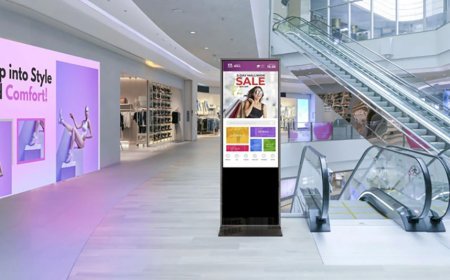











How Shopping Mall Digital Signage Improves Retail Shopping
TheLocAds provides advanced shopping mall digital signage to improve visitor engagement and retail communication. Our solutions include digital advertising displays, interactive wayfinding kiosks, and cloud-based content management software. We help shopping centres promote offers, share announcements, and guide visitors through modern retail digital signage solutions designed for flexible commercial environments and effective visual communication.

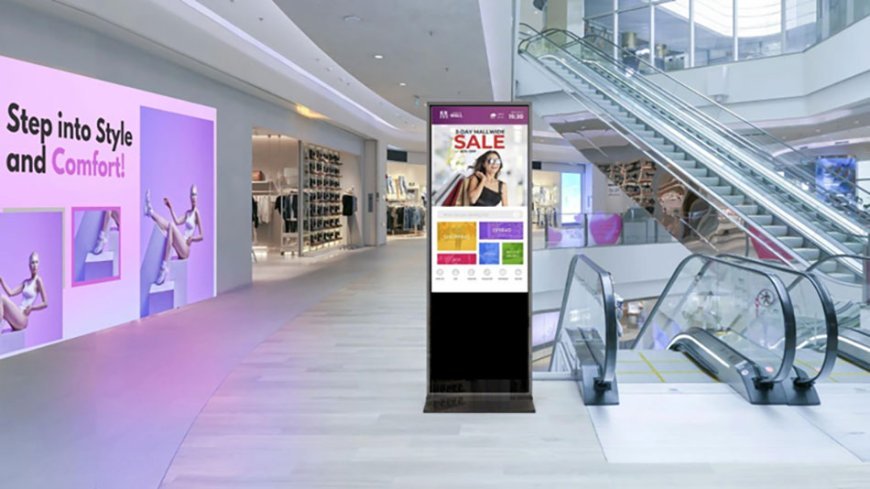
Shopping malls have evolved into complete lifestyle destinations where people shop, dine, watch movies, and enjoy entertainment. With numerous retail stores and commercial activities operating under one roof, mall management teams need effective ways to communicate with visitors and promote different brands. Traditional posters and printed signboards cannot always meet these changing requirements.
This is where shopping mall digital signage becomes useful. Digital displays help shopping centres share promotional messages, provide directions, highlight events, and communicate important information through attractive visual content. With centralized content management, mall operators can also control multiple screens and update advertisements remotely.
What Is Shopping Mall Digital Signage?
Shopping mall digital signage refers to electronic display systems used inside and around shopping centres to present advertisements, announcements, directions, promotional videos, and other information.
These displays can be installed at mall entrances, corridors, food courts, elevators, parking areas, and retail sections. Depending on the requirements, shopping centres can use LED video walls, commercial displays, touchscreen kiosks, and digital directories.
Unlike traditional printed advertisements, digital screens allow administrators to change content whenever required. For example, a mall can display festive discounts during holiday seasons, restaurant promotions during lunchtime, and event announcements throughout the day.
This flexibility makes digital signage for mall environments an effective communication option for modern retail spaces.
Why Do Shopping Malls Need Digital Signage?
Managing a large shopping centre involves coordinating different stores, brands, services, and visitor activities. Customers often need information about store locations, ongoing discounts, parking facilities, restaurants, and entertainment options.
Digital displays help organize this information and make it accessible through strategically placed screens.
Here are some important benefits of implementing digital signage in shopping malls.
1. Improves Visitor Navigation
Large shopping malls can be confusing for first-time visitors. Finding a particular store, restaurant, cinema, or service area may take additional time.
Interactive wayfinding kiosks and digital directories help simplify navigation by displaying store listings, floor maps, and location details.
Visitors can search for specific brands or facilities and follow digital directions to reach their destinations. This makes shopping centre navigation more convenient and improves access to important information.
2. Promotes Retail Brands and Special Offers
Shopping centres regularly host promotional campaigns, seasonal sales, product launches, and festive events. Digital displays provide a flexible platform for highlighting these activities.
Mall operators can showcase advertisements from different retail brands, display discount announcements, and promote upcoming events through high-visibility screens.
For example, a clothing brand can promote its seasonal collection on displays near fashion retail areas, while a restaurant can highlight special meal offers near the food court.
This application of retail digital signage solutions helps businesses communicate promotional messages in relevant locations.
3. Creates Better Advertising Opportunities
Digital screens can turn common areas into valuable advertising spaces. Shopping mall operators can allocate display time to retail brands, restaurants, entertainment providers, and other commercial partners.
Advertisements can be scheduled according to campaign requirements, screen locations, and specific time slots.
For instance, a beauty brand may promote its latest products near cosmetic stores, while an electronics retailer can display new product launches on selected mall screens.
This creates opportunities for mall operators to generate advertising revenue while helping brands improve their visibility among visitors.
4. Enhances Customer Engagement
Static advertisements provide limited interaction compared with digital content. Modern display technology allows shopping centres to present videos, animations, interactive information, and promotional campaigns.
Touchscreen kiosks can help visitors explore store directories, discover facilities, and access event information.
Engaging visuals can also make promotional messages more noticeable in busy shopping environments.
By using appropriate content and screen placement, malls can create more informative and interactive visitor experiences.
5. Simplifies Advertising Content Management
Managing promotional campaigns across multiple floors and locations can be challenging when every screen requires manual updates.
Cloud-based digital signage software allows authorized users to manage connected displays through a centralized dashboard.
Mall administrators can upload advertisements, schedule playlists, change promotional content, and update announcements remotely.
This makes content management easier, especially for large shopping centres operating multiple display networks.
6. Supports Events and Important Announcements
Shopping malls frequently organize product exhibitions, live performances, festive celebrations, competitions, and promotional activities.
Digital displays can communicate event schedules, venue details, participation instructions, and important announcements.
They can also share operational information such as parking guidance, temporary store closures, and visitor safety instructions.
This helps management teams distribute relevant updates across different areas of the shopping centre.
Types of Digital Signage Used in Shopping Malls
Different display technologies serve different purposes. Choosing the right option depends on the installation area, audience, and communication objectives.
-
LED Video Walls: Large-format displays suitable for high-impact advertisements, brand campaigns, and promotional videos.
-
Indoor Digital Displays: Commercial screens used in corridors, entrances, food courts, and common areas.
-
Interactive Wayfinding Kiosks: Touchscreen systems that help visitors locate stores, restaurants, and facilities.
-
Digital Window Displays: Screens positioned near storefront windows to showcase products and attract potential customers.
-
Outdoor Digital Signage: Displays used outside shopping centres to promote events, brands, and special offers.
-
Digital Menu Boards: Screens used by food outlets to present menus, prices, and promotional combinations.
Each type of display offers different possibilities for improving communication and advertising within retail environments.
How to Choose the Right Retail Digital Signage Solutions
Selecting the right digital signage system requires more than choosing an attractive display. Mall operators should consider the complete hardware and software setup before making a decision.
Here are some important factors to evaluate:
1. Display Quality: Check screen resolution, brightness, viewing angles, and suitability for the installation environment.
2. Content Management Software: Choose a platform that supports remote updates, scheduling, and centralized control.
3. Interactive Features: Consider touchscreen technology and searchable directories for visitor navigation.
4. Hardware Reliability: Select commercial-grade equipment suitable for the expected operating hours.
5. Installation and Maintenance: Evaluate professional installation, monitoring, and technical assistance.
6. Scalability: Choose a system that can accommodate additional screens and locations as the shopping centre expands.
Comparing these features helps businesses identify retail digital signage solutions that match their communication requirements and budget.
How TheLocAds Supports Shopping Mall Digital Signage
TheLocAds provides smart display technology designed to support businesses and modern commercial environments.
Its solutions include indoor and outdoor digital displays, window displays, media players, cloud-based content management software, and interactive wayfinding kiosks.
Shopping centres can explore these technologies to promote retail brands, display announcements, share event information, and improve visitor navigation.
TheLocAds also offers Hardware as a Service (HaaS), managed content services, white-label solutions, and dedicated 24/7 Network Operations Center (NOC) support.
With centralized content management and remote display capabilities, mall operators can explore flexible ways to manage their digital communication networks.
Visit TheLocAds to learn more about digital display technology and explore solutions for modern retail environments.
Frequently Asked Questions (FAQs)
1. What is shopping mall digital signage?
Shopping mall digital signage uses electronic displays to show advertisements, promotional offers, store directories, event announcements, and visitor information across different areas of a shopping centre.
2. How does digital signage for mall environments help retailers?
It allows retailers to showcase products, advertise discounts, promote new launches, and communicate special offers through strategically positioned digital displays.
3. What types of digital displays are used in shopping malls?
Common options include LED video walls, indoor commercial displays, interactive wayfinding kiosks, digital window displays, outdoor screens, and digital menu boards.
4. Can shopping mall digital signage be managed remotely?
Yes. Cloud-based content management software allows authorized users to update advertisements, schedule content, and manage multiple connected screens remotely.
5. How can malls benefit from retail digital signage solutions?
Retail digital signage solutions help shopping centres improve visitor communication, promote brands, simplify navigation, support promotional campaigns, and create additional advertising opportunities.
6. How do I choose a digital signage provider for a shopping mall?
Consider display quality, software features, installation services, technical support, scalability, and the provider's ability to meet your specific retail communication requirements.
Conclusion
Digital displays are becoming an important part of modern shopping centre management. From promoting retail brands and sharing announcements to providing interactive directions, shopping mall digital signage offers multiple applications for commercial environments.
Selecting suitable technology, planning screen placement, and developing relevant content are important steps toward building an effective signage network.
By exploring modern retail digital signage solutions, shopping centres can improve information delivery, create engaging advertising opportunities, and offer visitors a more convenient shopping experience.
What's Your Reaction?
 Like
0
 Dislike
0
 Love
0
 Funny
0
 Angry
0
 Sad
0
 Wow
0