























Moisture Mitigation And Protecting Concrete Floors from a Hidden Threat
Protect concrete floors from moisture damage with professional moisture mitigation services designed to reduce vapor issues and support durable flooring systems.
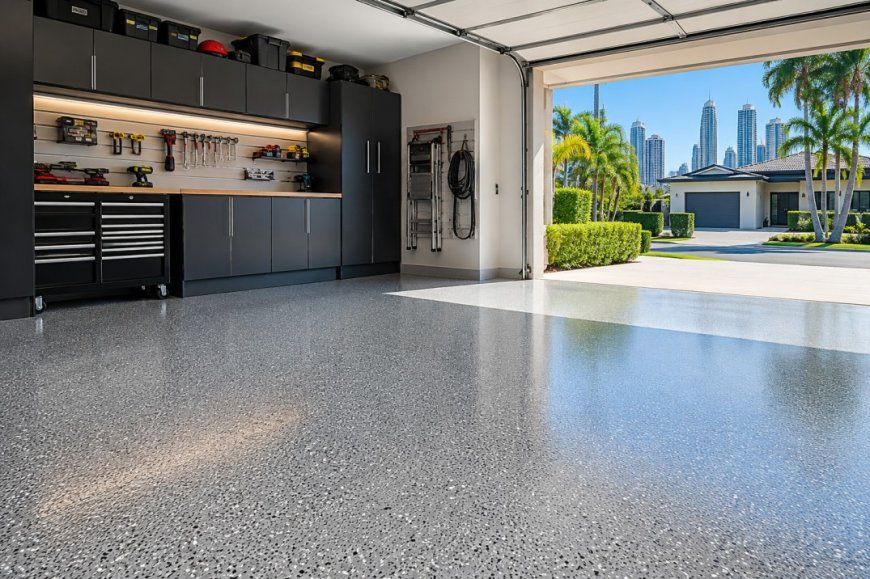
Concrete may look solid and impenetrable, but beneath the surface, moisture can quietly wreak havoc on flooring systems, coatings, and adhesives. This is where moisture mitigation becomes essential. Left unaddressed, excess moisture vapor rising through a concrete slab can lead to costly flooring failures, adhesive breakdown, mold growth, and unsightly bubbling or peeling.
In this guest post, we'll explore what moisture mitigation is, why it matters, how it's tested, and the most effective methods used to keep concrete floors dry and coating-ready.
What Is Moisture Mitigation?
Moisture mitigation refers to the process of identifying, controlling, and preventing excess moisture vapor from migrating through a concrete slab and interfering with flooring materials or coatings applied on top of it. Concrete is naturally porous, and moisture from the ground, humidity, or incomplete curing can travel upward through the slab, a phenomenon known as moisture vapor transmission.
When this moisture reaches the surface, it can compromise the bond between the concrete and any coating, adhesive, or flooring material installed above it, often leading to premature failure.
Why Moisture Mitigation Matters
1. Prevents Coating and Flooring Failures
Excess moisture is one of the leading causes of coating delamination, bubbling, and adhesive failure. Moisture mitigation ensures that epoxy, polyaspartic, and other coating systems bond properly and last as intended.
2. Protects Against Mold and Mildew
Trapped moisture beneath flooring materials creates an ideal environment for mold and mildew growth, which can affect indoor air quality and pose health risks to occupants.
3. Preserves Structural Integrity
Chronic moisture issues can weaken concrete over time, leading to cracking, spalling, and other forms of deterioration that compromise the durability of the slab.
4. Saves Money on Costly Repairs
Addressing moisture issues proactively is far more cost-effective than dealing with failed flooring systems, replacement costs, and potential liability from safety hazards caused by peeling or bubbling surfaces.
5. Ensures Coating Warranty Compliance
Many coating and flooring manufacturers require moisture testing and mitigation as part of their warranty terms. Skipping this step can void warranties if issues arise down the line.
Common Causes of Concrete Moisture Problems
-
Groundwater Intrusion – Moisture rising from the soil beneath a slab, especially in areas with high water tables.
-
Incomplete Curing – New concrete that hasn't fully cured can retain excess internal moisture.
-
Lack of a Proper Vapor Barrier – Slabs poured without an adequate vapor retarder are more susceptible to moisture migration.
-
Poor Drainage – Inadequate site grading or drainage can allow water to accumulate around and beneath a foundation.
-
High Humidity Environments – Facilities in humid climates may experience ongoing moisture challenges even with proper slab construction.
Testing for Moisture in Concrete
Before any mitigation system is applied, proper testing is essential to understand the extent of the moisture issue. Common testing methods include:
-
Calcium Chloride Test (ASTM F1869) – Measures the rate of moisture vapor emission from the slab surface over a set period.
-
Relative Humidity Testing (ASTM F2170) – Uses probes inserted into the concrete to measure internal humidity levels, often considered a more accurate long-term indicator.
-
Plastic Sheet Test (ASTM D4263) – A quick, basic test used to detect the presence of moisture, though less precise than other methods.
Professional contractors typically recommend relative humidity testing for the most reliable results, particularly on slabs where coatings or flooring systems will be installed.
Moisture Mitigation Methods
1. Epoxy Moisture Vapor Barriers
Specialized epoxy coatings can be applied directly to the concrete surface to create a barrier that blocks moisture vapor from reaching the flooring system above.
2. Densifiers and Sealers
Penetrating sealers can help reduce surface porosity, offering a lighter level of protection for slabs with lower moisture readings.
3. Sub-Slab Vapor Barriers
Installed beneath new concrete pours, these barriers prevent moisture from the ground from ever reaching the slab in the first place, the most effective long-term solution for new construction.
4. Improved Site Drainage
Correcting grading issues and improving drainage around a building's foundation can reduce the amount of moisture reaching the slab from external sources.
5. Dehumidification and Ventilation
In some cases, improving airflow and humidity control within a building can help manage moisture-related issues, particularly in combination with other mitigation methods.
Choosing the Right Moisture Mitigation Approach
The right solution depends on several factors:
-
Moisture Test Results – Higher moisture readings typically require more robust mitigation systems, such as epoxy vapor barriers.
-
Slab Age and Condition – New slabs may require different approaches than older, existing concrete.
-
Intended Flooring or Coating System – Some coatings have specific moisture tolerance thresholds that must be met.
-
Environmental Conditions – Climate and building use can influence long-term moisture management strategies.
Final Thoughts
Moisture mitigation is a critical, often overlooked step in ensuring the long-term success of any concrete flooring or coating project. Without proper testing and mitigation, even the highest-quality coatings can fail prematurely, leading to costly repairs and disruptions.
By partnering with experienced professionals who understand proper moisture testing and mitigation techniques, property owners can protect their investment and ensure their flooring systems perform reliably for years to come.
What's Your Reaction?
 Like
0
Like
0
 Dislike
0
Dislike
0
 Love
0
Love
0
 Funny
0
Funny
0
 Angry
0
Angry
0
 Sad
0
Sad
0
 Wow
0
Wow
0