


























Learner Licence Rules Tasmania: A Complete Guide
Learner Licence rules in Tasmania explained, including driving restrictions, supervised practice, logbook hours and tips for preparing for your provisional licence.

Introduction
Getting your Learner Licence is an exciting step towards independence. For professionals in Tasmania, learning to drive can make daily commuting easier, simplify work-related travel and provide greater flexibility when managing personal responsibilities. However, becoming a safe driver involves more than knowing how to operate a vehicle. You must understand the rules, practise consistently and develop good judgement on the road.
A Learner Licence allows you to gain driving experience under supervision while preparing for the next stage of your licensing journey. Understanding the requirements early can help you avoid common mistakes, organise your practice and approach your driving assessment with confidence. Whether you are learning for work or personal convenience, building safe habits from the beginning will benefit you throughout your driving life.
Understand the Requirements for a Learner Licence
To obtain a car Learner Licence in Tasmania, you must meet the eligibility requirements and complete the required driver knowledge test. You can attempt the test from the age of 15 years and 11 months, but you must be at least 16 years old to be issued your learner licence.
Under the standard novice licensing pathway, you generally need to hold your Learner Licence for at least 12 continuous months and complete 80 hours of supervised driving. Your logbook must include at least 15 hours of night driving. These requirements help you gain experience in different traffic conditions before progressing to a provisional licence.
Planning your practice schedule early can make the process easier, especially if you are balancing work, study or family commitments. Set aside regular time for driving and keep track of your completed hours. Check the official Tasmanian licensing guidelines to confirm the requirements that apply to your particular pathway.
Follow the Rules and Restrictions for Learner Drivers
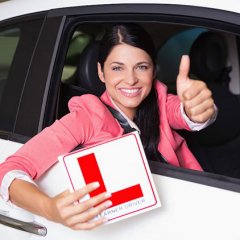
Holding a Learner Licence comes with specific responsibilities. You must drive with an eligible supervisory driver, and your vehicle must display L plates clearly at both the front and rear. You must also carry your licence whenever you drive.
Tasmanian learner drivers must not exceed 90 km/h, even when the posted speed limit is higher. You must maintain a blood alcohol concentration of 0.00 and must not use a mobile phone while driving. Learners are also prohibited from towing another vehicle or trailer.
These conditions apply whenever you drive, including during short practice trips. Following the rules consistently helps you develop responsible habits and protects you and other road users. Before starting a journey, check that your L plates are visible, your supervisor is eligible and you understand the route.
Build Driving Skills Through Supervised Practice
Completing the required hours is an important part of your Learner Licence journey, but the quality of your practice matters just as much. Each session should help you improve a particular skill and become more comfortable in different road environments.
Start on quieter roads where you can focus on steering, braking, observation and vehicle control. As your confidence grows, practise at intersections, roundabouts and busy streets. Parking, changing lanes and maintaining a safe following distance are also essential skills to develop.
Night driving deserves special attention because reduced visibility can make hazards harder to recognise. Practise with your supervisor in suitable conditions and learn to adjust your speed and observation accordingly.
Keep your logbook accurate and ensure your driving sessions are recorded correctly. If you find a manoeuvre difficult, ask your supervisor or driving instructor for feedback. Regular practice helps reinforce what you learn, while constructive guidance can help you correct mistakes before they become habits.
Prepare for Your Provisional Licence Assessment
Completing your Learner Licence requirements does not automatically mean you are ready to drive independently. You must also demonstrate safe driving habits, sound judgement and the ability to respond appropriately to changing traffic conditions.
Most new learners must complete the Hazard Perception Test before taking their P1 practical driving assessment. Check the current Tasmanian requirements to confirm when you can take the test and whether it applies to your licensing pathway.
Professional driving lessons can help you prepare for this stage. An experienced instructor can assess your driving, identify areas that need improvement and provide structured driver training. Practising challenging situations with a qualified instructor can also help you become more comfortable with assessment expectations.
For busy professionals, scheduling lessons around work commitments can make preparation easier. Combining supervised practice with professional guidance can help you strengthen your skills and approach your assessment feeling prepared.
Conclusion
Understanding Learner Licence rules is an essential part of becoming a safe and responsible driver in Tasmania. From meeting the eligibility requirements to following road restrictions and completing supervised practice, every stage helps prepare you for independent driving.
Make regular practice part of your routine, maintain an accurate logbook and seek guidance whenever you need it. With patience, preparation and support from a professional driving school, you can develop the confidence and skills needed to progress towards your provisional licence and enjoy greater freedom on the road.
What's Your Reaction?
 Like
0
Like
0
 Dislike
0
Dislike
0
 Love
0
Love
0
 Funny
0
Funny
0
 Angry
0
Angry
0
 Sad
0
Sad
0
 Wow
0
Wow
0