


















Round Neck T-Shirt Manufacturers: A Complete Guide to Quality, Customisation and Wholesale Buying
Explore T-shirt manufacturing, quality standards, customisation, and wholesale buying with Kabir creation, focusing on comfort, durability, and style.
The T-shirt industry continues to grow as businesses, fashion brands, retailers, and organisations look for comfortable and stylish clothing. T-shirts are no longer limited to everyday wear; they have become an important part of corporate uniforms, promotional campaigns, sportswear, and fashion collections. Choosing the right manufacturer is essential for maintaining fabric quality, attractive designs, and consistent production.
Round Neck T-Shirt Manufacturers play an important role in meeting the growing demand for everyday clothing. Round-neck T-shirts are popular because of their simple design, comfortable neckline, and easy styling. They are suitable for men, women, and children and can be produced in different fabrics, colours, sizes, and patterns. Kabir creation focuses on understanding customer requirements and delivering T-shirts that balance comfort, durability, and appearance.
Understanding Different Types of T-Shirts
T-shirts are available in several styles to meet different customer preferences. The choice of design depends on the intended use, target audience, fabric requirements, and budget. Some buyers prefer basic cotton T-shirts for daily wear, while others look for fashionable designs for retail collections.
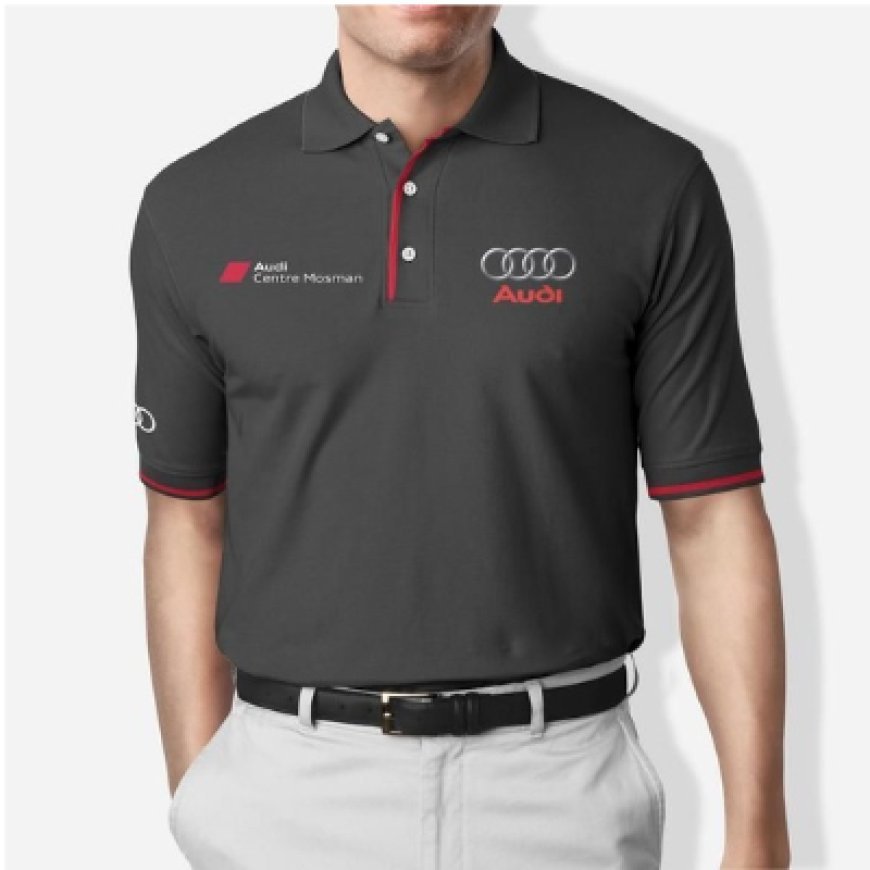
Another popular option is Collar T-Shirts Manufacturers, which cater to buyers looking for polo-style T-shirts. These garments feature a collar and usually a buttoned neckline, making them suitable for office uniforms, promotional events, sports activities, and casual business wear. Their smart appearance makes them a practical choice for organisations that want comfortable yet professional clothing.
Manufacturing Process: From Fabric to Finished Product
Producing a quality T-shirt involves several stages. Each step requires proper planning, skilled workmanship, and attention to detail.
1. Fabric Selection: The process begins with selecting suitable materials such as cotton, polyester, cotton blends, or other fabrics. Fabric selection depends on softness, breathability, durability, and the intended purpose of the garment.
2. Fabric Inspection: Before cutting, the fabric is checked for colour variations, stains, holes, uneven texture, and other defects. This step helps reduce material wastage and maintain consistent production quality.
3. Pattern Making and Cutting: Measurements and patterns are prepared according to the required sizes. Fabric is then cut into different sections, including the front, back, sleeves, and neckline.
4. Stitching and Assembly: The cut pieces are joined using suitable stitching techniques. Special attention is given to shoulder seams, sleeve attachments, neckline finishing, and bottom hems.
5. Printing and Finishing: Depending on the design, printing, embroidery, or other decorative techniques may be applied. The garments are then trimmed, pressed, and prepared for final inspection.
Customisation and Design Options
Today's buyers often prefer clothing that reflects their brand identity, personal style, or business requirements. Customisation allows businesses to select specific colours, fabrics, sizes, logos, and printed designs.
For companies, schools, sports teams, and promotional agencies, Personalized T-Shirts Manufacturers provide options to create garments with customised graphics, brand logos, names, and messages. These designs help businesses build brand recognition while giving customers clothing that matches their specific requirements.
Kabir creation understands that every order can have different expectations. From simple everyday designs to customised bulk requirements, proper coordination between the buyer and manufacturer helps achieve better results.
Quality Standards That Matter
Quality is one of the most important factors when purchasing T-shirts in bulk. A garment may look attractive initially, but its actual value depends on how well it performs after regular use and washing.
Here are some important quality factors buyers should consider:
-
Fabric Quality: The material should feel comfortable and be suitable for its intended use.
-
Stitching Strength: Seams should be neat, secure, and consistent.
-
Colour Fastness: Colours should resist excessive fading during normal washing.
-
Size Accuracy: Measurements should follow the agreed size chart.
-
Neckline Finishing: The neckline should maintain its shape without becoming loose.
-
Printing Quality: Printed designs should have clear details and proper adhesion.
Manufacturers should also conduct regular inspections during production rather than checking garments only at the final stage.
Industry Applications of T-Shirts
T-shirts are used across various industries because they offer comfort, flexibility, and easy customisation. Their applications include:
-
Corporate Uniforms: Companies use branded T-shirts for employees, promotional activities, and workplace events.
-
Retail Fashion: Clothing stores offer different styles, colours, and patterns to meet seasonal fashion trends.
-
Sports and Fitness: Lightweight and breathable fabrics are commonly selected for training, team activities, and fitness programmes.
-
Educational Institutions: Schools and colleges use customised T-shirts for events, competitions, and group activities.
-
Promotional Campaigns: Businesses use printed garments to increase brand visibility during exhibitions, trade shows, and marketing events.
How to Choose the Right T-Shirt Manufacturer
Selecting a suitable manufacturer requires more than comparing prices. Buyers should understand the production capabilities, fabric options, customisation facilities, and quality control practices before placing an order.
Start by checking the manufacturer's product range and experience. Ask for fabric details, size charts, available colours, and samples if possible. It is also useful to discuss minimum order quantities, production timelines, packaging, and delivery arrangements in advance.
Clear communication helps avoid misunderstandings and ensures that the final products match the buyer's expectations. A reliable manufacturing partner should be transparent about product specifications and production capabilities.
Conclusion
Finding the right T-shirt manufacturer is about choosing quality, comfort, and consistency rather than simply looking for the lowest price. From selecting suitable fabrics to checking stitching, printing, and final finishing, every stage contributes to the overall value of a garment.
Kabir creation recognises the importance of understanding different customer needs, whether they involve everyday clothing, corporate uniforms, promotional T-shirts, or customised designs. By focusing on proper material selection, careful manufacturing, and consistent quality checks, buyers can make more confident sourcing decisions and build long-term business relationships.
What's Your Reaction?
 Like
0
 Dislike
0
 Love
0
 Funny
0
 Angry
0
 Sad
0
 Wow
0