

























How to Build a Comfortable Home That Handles Coastal Weather
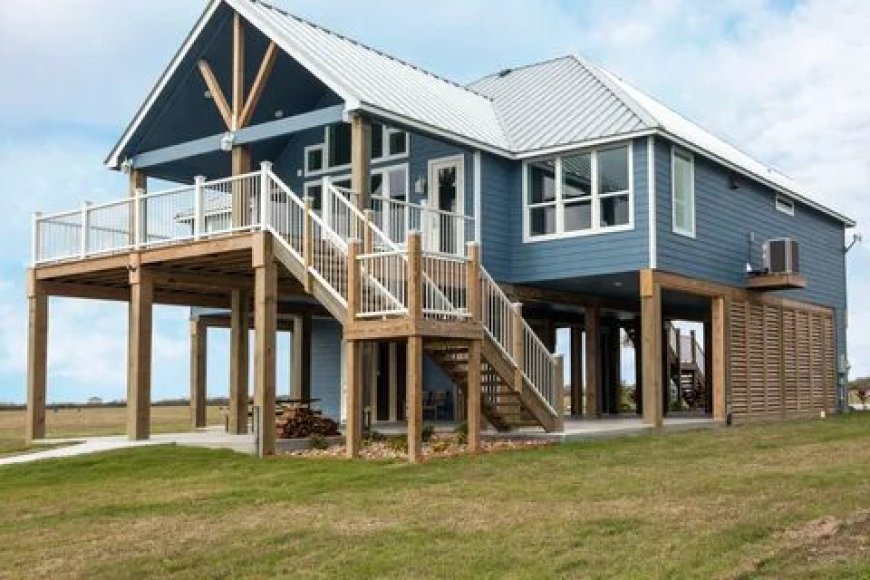
Living near the coast has a special appeal. The fresh ocean air, beautiful surroundings, and relaxed atmosphere make coastal communities wonderful places to call home. However, building a property in a coastal area also comes with unique responsibilities. Strong winds, heavy rainfall, humidity, salt air, and occasional storms can affect a home's structure and exterior over time. A comfortable coastal home should therefore combine attractive design with materials and construction methods that can handle changing weather conditions.
Planning
projects requires careful attention to the local environment and the long-term needs of homeowners. From choosing suitable exterior materials to planning proper drainage and ventilation, every detail matters. With thoughtful preparation, you can create a home that feels welcoming, stays comfortable throughout the seasons, and is better prepared for coastal conditions.
1. Choose Materials That Can Handle Coastal Conditions
Material selection is one of the most important decisions when building near the coast. Salt in the air and frequent moisture can gradually damage certain materials, especially when they are not designed for outdoor exposure.
Choose exterior finishes that are suitable for coastal environments. Fiber cement siding, properly treated wood, and other weather-resistant products may be worth considering depending on the design and maintenance requirements. For metal components, corrosion-resistant options can help reduce damage caused by salty air.
Roofing materials also deserve careful consideration. Select products that are appropriate for local wind conditions and installed according to manufacturer instructions and applicable building standards. Quality materials may require a larger initial investment, but they can help reduce maintenance concerns over time.
2. Plan a Roof That Provides Reliable Protection
The roof is one of the home's main defenses against wind and rain. In coastal areas, it needs to be designed and installed with particular attention to weather exposure.
Discuss suitable roof shapes, materials, fastening systems, and connections with an experienced design professional. Proper installation is just as important as selecting a durable product. Even high-quality roofing materials may not perform as intended if they are installed incorrectly.
Regular inspections can also help identify loose shingles, damaged flashing, worn seals, or other problems before they become more serious. A well-maintained roof helps protect the structure while supporting a comfortable indoor environment.
3. Give Proper Drainage and Site Planning Priority
Heavy rainfall can create problems when water is not directed away from the property. Poor drainage may contribute to standing water, soil erosion, foundation concerns, and moisture entering lower areas of a home.
Before construction begins, evaluate the property's slope, soil conditions, and natural drainage patterns. The site plan should account for how rainwater will move around the building and where it will be directed.
Depending on the property and local requirements, suitable grading, gutters, downspouts, and drainage systems may help manage runoff. Coastal properties may also be subject to flood-zone requirements, elevation standards, and other regulations. These should be reviewed before finalizing the design.
4. Build for Strong Winds and Severe Weather
Coastal homes can experience strong winds during storms, so structural planning should be taken seriously. A home's roof, walls, windows, doors, and foundation connections all contribute to its overall ability to withstand weather exposure.
Work with qualified professionals who understand the applicable wind-load requirements and local building codes. Proper connections between structural components help create a more secure building system. Impact-rated windows or suitable protective shutters may also be worth considering where appropriate.
Do not overlook garage doors and exterior openings. These areas can be vulnerable during severe weather if they are not designed and installed to meet the required standards. Professional guidance can help determine which protective features are suitable for your property.
5. Work With Experienced Construction Professionals
Building in a coastal environment involves decisions that go beyond ordinary design preferences. Site conditions, local regulations, material performance, and weather-related risks all need to be considered together.
Look for a construction professional who understands the challenges associated with coastal properties. Ask about experience with similar projects, construction methods, material recommendations, scheduling, and coordination with architects or engineers.
Homeowners exploring their options may consider Maxwell Construction LLC when researching professional support for residential construction and improvement projects. Before choosing a contractor, review previous work, references, written estimates, and the proposed scope of work. Discuss your expectations clearly so that important details are understood before construction begins.
6. Protect the Home From Moisture and Humidity
Coastal humidity can make indoor spaces feel uncomfortable and may contribute to mold or material deterioration when moisture is not managed properly.
Good ventilation is essential, particularly in bathrooms, kitchens, laundry rooms, and other areas where moisture is regularly produced. An appropriately designed heating, ventilation, and air conditioning system can help maintain comfortable indoor conditions.
Pay attention to insulation, air sealing, and moisture-control details during construction. Windows and doors should be installed with suitable flashing and weather seals to help prevent water intrusion. Choose interior materials that are appropriate for areas exposed to moisture.
Regularly checking plumbing connections, roof spaces, and areas around windows can also help identify leaks before they cause extensive damage.
7. Design Windows and Outdoor Spaces Carefully
Large windows can bring natural light into a coastal home and provide beautiful views. However, their placement and specifications should be selected with local weather conditions in mind.
Consider window products designed for the property's exposure and applicable building requirements. Proper installation, flashing, and sealing are essential for reducing the risk of water infiltration. Window coverings can also help manage sunlight and maintain privacy.
Outdoor living areas deserve similar attention. Covered porches, shaded patios, and properly secured decks can make the property more enjoyable. Select outdoor furniture and finishes that can tolerate moisture, sunlight, and salty air. Make sure railings, stairs, and deck connections are designed and maintained appropriately.
8. Make Energy Efficiency Part of the Design
A comfortable home should remain pleasant during both warm and cooler weather. Energy-efficient design can help manage indoor temperatures and reduce unnecessary energy use.
Quality insulation, suitable windows, efficient lighting, and properly sized heating and cooling equipment are useful features to discuss with your construction team. Air sealing can also help prevent unwanted drafts and reduce the workload on heating and cooling systems.
Consider the home's orientation and the amount of sunlight different rooms receive. Thoughtful window placement, shading, and landscaping may help control heat while allowing natural light into the home.
9. Understand Local Building Rules and Coastal Requirements
Before construction begins, make sure you understand the regulations that apply to your property. Coastal locations may have additional requirements related to flood hazards, building elevation, wind resistance, drainage, setbacks, and environmental protection.
Requirements can vary depending on the exact property location. Check with the relevant local authorities and consult qualified professionals who can help interpret the applicable rules. Necessary permits and inspections should be included in the project schedule.
Taking care of these details early can help prevent delays, unexpected expenses, and problems during construction.
10. Plan for Regular Maintenance
Even a well-built coastal home needs ongoing care. Salt air, moisture, sunlight, and storms can gradually affect exterior finishes and building components.
Create a simple maintenance routine that includes checking the roof, cleaning gutters, inspecting exterior seals, and looking for corrosion on exposed metal fixtures. Wash suitable exterior surfaces when needed to remove accumulated salt and dirt. After severe weather, inspect the property for visible damage and arrange professional repairs when necessary.
Keeping maintenance records can also help you track repairs, product warranties, and inspection dates.
Create a Coastal Home That Lasts
Building a home near the coast is an opportunity to enjoy a beautiful setting while creating a space that supports your family's lifestyle. The key is to plan for the environment from the beginning rather than treating weather protection as an afterthought.
By selecting appropriate materials, planning effective drainage, addressing moisture, and following local construction requirements, homeowners can create properties that are both attractive and practical. Work with knowledgeable professionals, make informed design choices, and maintain the property regularly. These steps can help your coastal home remain comfortable, welcoming, and ready for the challenges of coastal living for years to come.
What's Your Reaction?
 Like
0
 Dislike
0
 Love
0
 Funny
0
 Angry
0
 Sad
0
 Wow
0