























How Long Does a Tick Injection Protect Dogs From Fleas and Ticks?
A tick injection for dogs can protect against fleas and ticks for up to 12 months but lone star ticks need earlier dosing. Learn how it works and who it suits

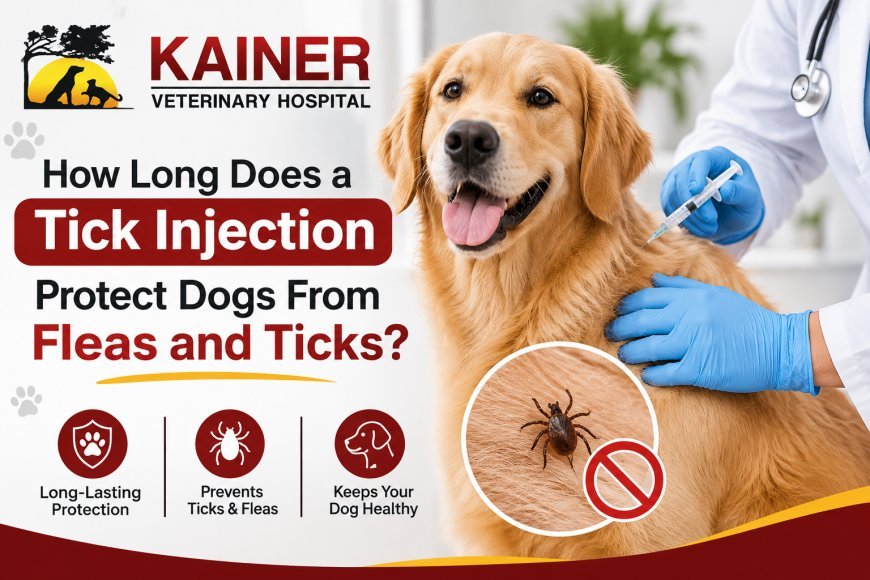
A tick injection for dogs given by a veterinarian can protect against fleas and several common tick species for up to 12 months, but the exact length of protection depends on the type of tick your dog is exposed to. In Southeast Texas this detail matters because the lone star tick is common, and the product label lists a shorter period of 8 months for that species, so owners need to know their dog's risk and plan the next dose carefully.
This guide explains how the injection works, how long each type of protection lasts and what it does and does not cover. It also covers which dogs may be good candidates, which dogs need extra caution, possible side effects and what happens at the appointment. Understanding these points helps owners decide with their veterinarian whether a once a year option fits their dog and how to keep fleas and ticks under control all year.
What a Flea and Tick Injection Is
The injection described here is an extended release form of fluralaner, a medication that kills fleas and ticks. It belongs to a class of parasite medications called isoxazolines, which are also found in several chewable and topical products. The injection is given under the skin by a veterinarian and releases the medication slowly so that it stays active in the dog's body over many months.
The U.S. Food and Drug Administration approved this product in July 2025 for dogs and puppies 6 months of age and older. It can only be prescribed by a licensed veterinarian because the injection must be given correctly and the dog must be monitored for reactions. The veterinary team also reviews the dog's health history to confirm that this option is appropriate.
How Long the Protection Lasts
The label states that the injection protects against fleas and certain ticks for up to 12 months. The ticks listed for the full 12 months include the black legged tick, the American dog tick and the brown dog tick. Fleas are also covered, which means the injection can kill adult fleas and prevent infestations for the same period.
The lone star tick is the exception. The label lists protection against lone star ticks for 8 months, and the manufacturer advises repeating the dose every 8 months when a dog may be exposed to them. This tick is widespread in Texas and other southern states so many local dogs fall into that group. A dog that lives in a wooded area, hikes often or spends time in tall grass may need a different schedule than a dog that stays mostly indoors.
What Protection Means in Practice
It helps to understand how this type of product works. Fluralaner does not repel fleas and ticks. Instead it kills them after they bite and take in the medication from the dog's blood. This usually happens within hours, which reduces the time a parasite has to feed and breed, but a tick can still attach briefly before it dies.
For that reason owners should continue to check their dogs for ticks after time outdoors. The product label also states that it does not protect against or treat vector borne diseases. Ticks can carry organisms that cause illnesses such as Lyme disease, ehrlichiosis and anaplasmosis, so annual screening tests and regular veterinary exams remain important even when a dog is on a preventive.
Why Fleas and Ticks Matter in Texas
Mild weather in Southeast Texas allows fleas and ticks to remain active for much of the year. Fleas cause itching and can trigger flea allergy dermatitis, in which a dog reacts strongly to even a few bites. They can also transmit tapeworms and in heavy infestations may cause anemia, especially in puppies and small dogs.
Ticks feed on blood and can spread several diseases to dogs and people. Several species occur in the region including lone star ticks, American dog ticks and brown dog ticks. Because the risk does not fall to zero in winter most veterinarians recommend year round prevention. A preventive that works consistently is more helpful than one that is used only during the warmest months.
What the Injection Does Not Cover
Owners sometimes assume that a long acting parasite product covers every parasite, but this is not the case. The injection does not protect against heartworm disease, which is spread by mosquitoes, and it does not treat intestinal worms such as roundworms and hookworms. Dogs still need a separate heartworm preventive and regular stool testing, and some hospitals offer a long acting heartworm injection as its own product.
The injection is also approved for dogs only. Cats cannot receive it and cats in the same household need their own flea and tick prevention chosen by a veterinarian. Using a dog product on a cat can be dangerous so owners should never share medications between species without veterinary advice.
Which Dogs May Be Good Candidates
A once a year injection suits owners who find it difficult to remember monthly doses and dogs that refuse chews or fight topical applications. It can also be helpful for families with busy schedules and for dogs that travel or spend time outdoors where consistent prevention is important. Because the medication stays in the dog's system for months there is less chance of a missed dose leaving the dog unprotected.
Each dog's lifestyle and health must be considered. Dogs with a history of flea allergy, frequent tick exposure or skin problems may benefit from steady year round control. The veterinarian will review age, weight, medical history and current medications to decide whether the injection is the right choice or whether another product fits better.
Dogs That Need Caution or Should Not Receive It
Puppies younger than 6 months should not receive the injection because the safety of the product has not been assessed in younger dogs and because fast growing puppies may outgrow the dose. The reproductive safety of the product has not been evaluated in breeding, pregnant or lactating dogs so owners of these dogs should talk with the veterinarian about other options.
Isoxazoline products carry a caution for dogs with a history of seizures or neurologic disease. The FDA has issued notices about neurologic adverse events such as tremors and seizures in some animals treated with this class of drugs. Veterinarians therefore use caution in dogs with these conditions and may choose a different type of preventive. Owners should always share the dog's full medical history before any new parasite product is started.
Possible Side Effects
Most dogs tolerate the injection well. Reactions reported in field studies included tiredness, decreased appetite, vomiting, diarrhea, itching and elevated liver enzymes. Mild signs usually appear within a day or two and pass without treatment, but owners should report them to the veterinary team.
Owners should seek care right away if a dog develops tremors, loss of coordination, seizures or severe vomiting. The injection site should also be watched for swelling or pain in the days after treatment. Because the medication is long acting any reaction may last longer than with a single chew, so a good record of the date and any signs helps the veterinarian make decisions about future use.
What Happens at the Appointment
The visit begins with an exam and a review of the dog's history. The veterinarian weighs the dog to select the correct dose, asks about parasite exposure and any past reactions and checks the skin for fleas, flea dirt and ticks. If a dog already has an infestation the team may recommend additional steps to clear the home environment.
The injection itself is quick. It is given under the skin and most dogs tolerate it with minimal fuss. The team may ask you to wait briefly so the dog can be watched for any immediate reaction, and you will receive instructions about what to watch for at home. The date is recorded in the medical record and many hospitals offer reminders so that the next dose is not missed.
Timing With Other Procedures and Treatments
Owners should tell the veterinary team about any upcoming procedures and current medications. A dog preparing for a procedure such as pet abdominal surgery will have its skin checked for fleas and infection before anesthesia, since scratching and skin problems near the incision can interfere with healing. The veterinarian can advise whether to give the injection before or after the procedure.
The team also reviews other medications to make sure there are no concerns about combining them. Dogs on treatment for skin disease, seizures or liver conditions may need extra monitoring. Open communication helps the veterinarian choose the safest plan for each dog.
Comparing the Injection With Chews, Topicals and Collars
Several types of flea and tick prevention are available. Monthly chewables and topical products are widely used and are effective when given on schedule. Some chews last 12 weeks and collars may provide months of protection. The injection stands out because it is given only once a year, or twice if lone star tick exposure is a concern, which removes the need to remember frequent doses.
A tick injection for dogs is one of several choices and none is best for every pet. The right option depends on the dog's lifestyle, health, temperament and the owner's routine. The most effective product is the one that is used correctly and on time, so the veterinarian will help match the option to the household and review the plan at each yearly visit.
Protecting Cats and Other Pets in the Home
Fleas move easily between pets so a household with dogs and cats needs a plan for each animal. A dog that is protected may still bring fleas into the house if exposed outdoors, and a cat that goes untreated can keep an infestation going. Each cat should have a flea and tick product that is approved for cats and recommended by a veterinarian.
Fleas can also cause changes in cat behavior. A cat that scratches, overgrooms or becomes irritable may have a flea problem or an allergy rather than a behavior issue. The veterinarian will check for parasites and other medical causes first and may then recommend behavioral therapy for cats if stress or habit is part of the problem. Treating the medical cause first prevents wasted effort and helps the cat feel better sooner.
Tick Checks and Home Care
Even with a preventive in place owners should check dogs after walks and outdoor play. Run your hands over the head, ears, neck, armpits, belly and between the toes. If you find a tick use fine tipped tweezers to grasp it close to the skin and pull straight out with steady pressure, then clean the area and note the date. Do not use petroleum jelly, heat or other home remedies.
Yard care helps as well. Keeping grass trimmed, removing leaf piles and clearing brush near play areas reduces places where ticks wait. Washing bedding and vacuuming regularly lower flea numbers indoors. These steps do not replace a preventive but they support it and reduce the chance that parasites reach your dog.
Planning the Next Dose
Because the injection lasts many months the key task is remembering the date. Owners should record it in a calendar or phone and ask the hospital about reminders. For dogs exposed to lone star ticks the next dose may be due at 8 months while dogs with lower exposure may follow the 12 month schedule.
It is also wise to ask the veterinarian whether any other products are needed in the meantime, such as heartworm prevention or a tick control product to cover the gap in lone star protection. Rechecking the plan at each annual exam keeps the schedule matched to the dog's age, health and lifestyle.
Choosing a Veterinary Team for Parasite Prevention
Many owners search for the best veterinary hospital in Conroe when they want guidance on flea and tick control. A good team explains the options in plain terms and asks about the dog's lifestyle and health before recommending a product. It also provides clear written instructions and follows up if problems occur.
It helps to ask how the hospital monitors dogs after treatment, how reminders are handled and what testing is recommended for tick borne disease. Accreditation, access to diagnostics and a willingness to answer questions all show that parasite prevention is part of a larger plan for the dog's health.
About Kainer Veterinary Hospital
Kainer Veterinary Hospital is AAHA accredited and has served pets since 2005. The hospital cares for dogs and cats from Conroe, The Woodlands, Magnolia, Montgomery, Spring and Oak Ridge. Its services include preventive care, flea and tick prevention, parasite control, vaccinations, dermatology, dentistry, diagnostics and surgery such as pet abdominal surgery.
Owners with questions about whether a once a year injection suits their dog can talk with the team during a wellness visit. The hospital sees patients by appointment and can explain the schedule, the lone star tick timing and what to expect after the injection.
Final Thoughts
A flea and tick injection can provide up to 12 months of protection for dogs against fleas and several common ticks, with an important exception for lone star ticks at 8 months. It offers a convenient option for owners who find monthly products difficult to manage, but it does not replace heartworm prevention, tick checks or regular veterinary care. Dogs with a history of seizures, puppies under 6 months and breeding animals need special consideration.
If you are unsure which parasite plan fits your dog, schedule an exam and talk through your dog's lifestyle and health history. A Conroe vet hospital can review the options and help you choose a plan that fits your household. Owners who search for the best veterinary hospital in Conroe often want a team that explains the label details clearly, so bring your questions and your dog's records to the visit.
FAQs
Q: How long does a flea and tick injection last in dogs?
A: It is labeled to protect against fleas and most listed ticks for up to 12 months. Lone star ticks are covered for 8 months so dogs with exposure to them may need a repeat dose sooner. Your veterinarian sets the schedule.
Q: Does the injection prevent tick borne diseases?
A: No. It kills ticks but the label states it does not protect against or treat vector borne diseases. Ticks can still bite before they die so owners should check their dog after outdoor time and keep up with veterinary disease screening.
Q: Which dogs should not get the injection?
A: Puppies under 6 months should not receive it. It has not been evaluated in breeding, pregnant or lactating dogs. Use caution in dogs with a history of seizures or neurologic disease. Your veterinarian reviews health history before recommending it.
Q: Can I use the dog injection on my cat?
A: No. The product is approved for dogs only and cats need their own flea and tick prevention chosen by a veterinarian. If a cat is overgrooming or scratching the veterinarian checks for fleas first and may then suggest behavioral therapy for cats.
Q: Are side effects common after the injection?
A: Most dogs tolerate it well. Reported reactions include tiredness, decreased appetite, vomiting, diarrhea, itching and elevated liver enzymes. Call your veterinarian if signs are severe or last more than a day or two. Seek care right away for tremors or seizures.
What's Your Reaction?
 Like
0
 Dislike
0
 Love
0
 Funny
0
 Angry
0
 Sad
0
 Wow
0