



















Bac Water and Quality Control in Modern Research Laboratories
Effective quality control begins with clear specifications and verifiable evidence.

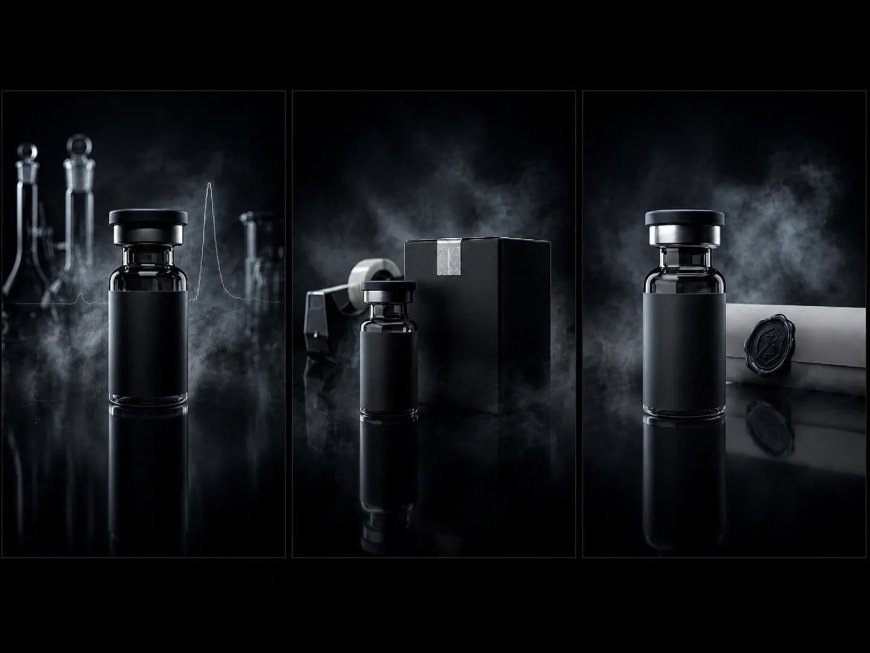
Introduction: Establishing Reliable Research Standards
Scientific research relies on materials that meet defined quality requirements and can be evaluated through reliable documentation. Even when a laboratory solution appears straightforward, researchers should understand its composition, specifications, and intended application before selecting it. Bac water, a common shorthand for bacteriostatic water, is one example of a product that requires careful evaluation in research environments.
Quality control provides a structured way to review materials before they become part of an experiment. By combining product documentation, batch identification, and appropriate analytical testing, laboratories can improve their material-management practices.
Understanding Quality Control for Bac Water
Quality control involves checking whether a product meets established specifications. These checks may include reviewing its identity, composition, packaging information, and relevant laboratory test results.
The term Bac water does not describe every detail of a product's formulation. Bacteriostatic water generally contains a bacteriostatic preservative, but the precise composition and approved applications depend on the specific product.
Researchers should distinguish between bacteriostatic water and other water-based laboratory solutions. Differences in formulation, sterility status, and intended use can affect whether a product is suitable for a particular application.
Product-specific instructions and institutional procedures should guide these decisions.
The Importance of Defined Testing Criteria
Testing is most useful when the laboratory knows which characteristics must be evaluated and what results are acceptable. Defined specifications provide a reference for interpreting analytical findings.
Depending on the product, relevant assessments may include identity, chemical composition, purity, or selected microbiological parameters. These tests answer different questions, so one result should not be treated as proof of every quality characteristic.
For example, an endotoxin measurement does not establish sterility, while a chemical purity result does not independently demonstrate microbiological quality.
A clear testing plan helps researchers understand what the available evidence supports.
Independent Laboratory Verification
Third-party testing can add another layer of analytical review to a manufacturer's quality process. The credibility of the evidence depends on the testing laboratory, the methods used, and whether the reported activities fall within the laboratory's relevant competence.
Quantum Innovation Labs in Garland, Texas, states that its research materials undergo independent testing by an ISO/IEC 17025-accredited third-party laboratory. Its stated quality approach includes batch-level evaluation of molecular identity, chemical purity, and bacterial endotoxin levels as applicable to the material.
Researchers should review the corresponding Certificate of Analysis (COA) to confirm the tests performed and the results reported for the specific batch.
Traceability and Laboratory Records
Traceability links a product to its relevant production and testing records. A batch identifier makes it easier to locate the corresponding COA and document which material was received.
When evaluating Bac water, researchers should retain the product name, batch information, supplier details, and relevant quality documentation. These records can support internal audits, material reviews, and investigations into unexpected experimental findings.
Traceability does not guarantee a particular research outcome, but it improves the ability to identify and review the materials used.
Conclusion
Effective quality control begins with clear specifications and verifiable evidence. Bac water should be evaluated through its formulation, intended application, analytical documentation, and batch traceability. Independent testing and accessible COAs can help laboratories make more informed purchasing decisions while strengthening their research documentation practices.
What's Your Reaction?
 Like
0
 Dislike
0
 Love
0
 Funny
0
 Angry
0
 Sad
0
 Wow
0