




















Belgium Baby Food Advances Through Nutrition Awareness, Convenience, and Plant-Based Innovation
The Belgium Baby Food Market size is projected to grow at a CAGR of around 2.8% during the forecast period, i.e., 2024-30.

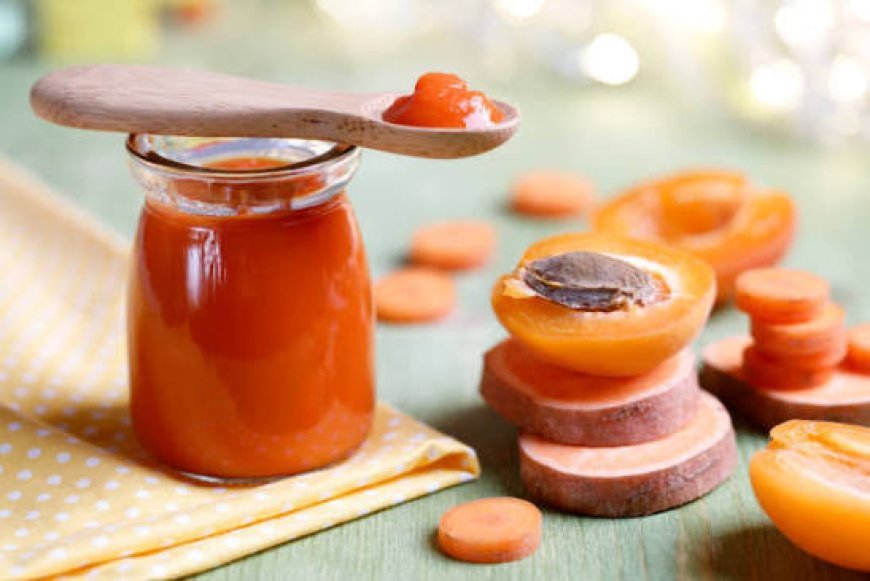
Baby food products are specially formulated for infants and young children and include milk formula, prepared baby food, dried products, cereals, and other age-specific foods. In Belgium, changing parental lifestyles and greater attention to nutrition are influencing purchasing decisions. Convenience is also becoming increasingly important as many parents balance employment, childcare, and household responsibilities while seeking safe and nutritionally appropriate products.
According to Markntel Advisor, The Belgium baby food industry study evaluates the sector by food category, milk-formula type, nature, age group, distribution channel, region, and leading companies. The study highlights the high working-women population, improving household incomes, growing demand for organic and plant-based products, expanding e-commerce, and changing parental preferences as important factors influencing industry development, while declining birth rates remain a major challenge.
Working Parents Strengthen Demand for Convenience
Busy lifestyles are an important factor shaping baby-food consumption in Belgium. Working parents may have less time to prepare homemade meals, increasing interest in products that can be prepared and served quickly.
Milk formula, prepared meals, cereals, and other packaged products can provide convenient feeding solutions while allowing parents to maintain more flexible routines.
The importance of convenience is also reflected in recent industry analysis, which identifies convenience as a key consideration for Belgian parents when shopping for baby food. This creates opportunities for manufacturers offering easy-to-use formats without compromising nutritional quality.
Milk Formula Maintains a Strong Position
Milk formula recorded considerable development during the historical period and is expected to remain an important category. Formula products can provide a practical feeding option for families that use them as part of infant nutrition.
The category includes standard powdered formula, follow-on powdered formula, growing-up milk formula, and special baby milk formula, allowing manufacturers to address different stages and requirements.
Because infant nutrition is highly sensitive, product composition, preparation instructions, labeling, and safety remain central considerations for manufacturers and parents.
Prepared Baby Food Expands Convenience
Prepared baby food provides another important option for parents seeking ready-to-serve meals. Products can include purees, meals, snacks, and other formats designed for infants and young children.
Pouches and containers can simplify storage and transportation, making prepared products suitable for feeding outside the home.
The category can also support greater variety by introducing vegetables, fruits, grains, and other ingredients in age-appropriate combinations.
Organic Products Gain Consumer Attention
Demand for organic baby food is increasing as parents become more attentive to ingredients and cultivation practices. Consumers may prefer products positioned around natural ingredients and reduced use of artificial additives.
Organic products can also appeal to parents seeking premium options for their children.
The Markntel Advisor study identifies brands such as HiPP, Babybio, Piccolo, and Organix as examples of companies benefiting from interest in organic and natural baby-food products.
Plant-Based Options Create New Opportunities
Plant-based and vegan baby foods are gaining visibility in Belgium as some families adopt plant-forward lifestyles. Parents following vegan diets may seek products that align with their household dietary preferences while still addressing children's nutritional needs.
The development of plant-based yogurts, finger foods, snacks, and other products is expanding the range of choices available to consumers.
However, infant and young-child products require careful nutritional formulation. Plant-based positioning must therefore be accompanied by appropriate attention to nutritional adequacy and age suitability.
Nutrition and Safety Remain Central
Baby food requires particularly careful attention to composition, safety, labeling, and consumer information. European regulations establish specific requirements for infant formula, follow-on formula, processed cereal-based foods, and other baby foods.
The European Commission's rules for foods for infants and young children cover compositional and labeling requirements and include specific provisions relating to pesticides, food additives, contaminants, and food-contact materials. These requirements make regulatory compliance a critical part of product development and commercialization.
E-Commerce Expands Product Accessibility
Belgium's growing e-commerce ecosystem is creating additional opportunities for baby-food companies. Greater internet access, smartphone usage, and digital payment options make online purchasing increasingly convenient.
Online platforms can provide parents with access to a wider range of products while allowing them to compare ingredients, package sizes, prices, and product information.
For manufacturers, digital channels can also generate insights into consumer preferences and purchasing behavior, supporting more targeted marketing and promotional strategies.
Supermarkets Remain an Important Channel
Supermarkets held the largest share among distribution channels during the historical period. Competitive pricing, broad brand availability, promotions, and one-stop shopping make supermarkets attractive to parents.
Baby food is often purchased alongside other household necessities during weekly or monthly grocery trips.
The expansion of supermarket networks can also increase product accessibility while providing manufacturers with opportunities for in-store displays, promotions, and product visibility.
Household Income Supports Premium Products
Improving household incomes can create opportunities for premium baby-food products. Parents with greater purchasing power may be more willing to choose organic products, specialized formulas, and convenient premium formats.
The Markntel Advisor study cites Statbel data indicating that approximately 23.7% of the Belgian population experienced an increase in total disposable household income in the first trimester of 2022 compared with the previous year.
Higher purchasing power can therefore support premiumization, although affordability remains important because baby food represents a recurring household expense.
Declining Birth Rates Create a Structural Challenge
Demographic changes remain one of the industry's major challenges. A declining number of births reduces the potential consumer base for infant and young-child food products.
Belgium's latest official statistics reinforce this concern. Statbel reported 108,033 births in 2025, broadly unchanged from 2024 but 3.9% below the 2021–2024 average. Births also declined across the Flemish, Walloon, and Brussels-Capital regions compared with that average.
This demographic environment may encourage manufacturers to focus on premiumization, product diversification, older children, and stronger customer retention.
Regional Opportunities Span Three Areas
The industry is evaluated across the Brussels Capital Region, the Flemish Region, and the Walloon Region.
Brussels provides access to a highly urban and diverse consumer base, while Flanders represents an important population and retail center. Wallonia offers additional opportunities through its consumer and distribution networks.
Companies with strong regional distribution capabilities can improve product accessibility and adapt their strategies to differences in consumer preferences.
Product Innovation Supports Competition
Manufacturers are expanding their portfolios to respond to changing parental preferences. Organic formulations, plant-based products, snacks, finger foods, yogurts, and other convenient formats are helping companies differentiate their offerings.
Innovation can also focus on packaging, texture, flavor combinations, portion sizes, and age-specific formulations.
In 2020, Alpro announced an investment of USD 35 million to expand production at facilities in Belgium and the UK, demonstrating continued investment in plant-based food production infrastructure.
Competitive Landscape
The competitive environment includes Nestlé Belgilux SA, Nutricia België NV, Sodiaal Benelux, HiPP GmbH & Co Vertrieb KG, Alpro NV, HiPP UK Ltd., Hain Celestial Group Inc., Holle Baby Food GmbH, Joannusmolen BV, and Zonnatura BV, among others.
Competition is influenced by nutritional quality, brand reputation, product safety, pricing, organic and plant-based offerings, distribution reach, packaging, and innovation.
Companies are increasingly differentiating through natural ingredients, specialized formulations, convenient formats, and digital accessibility.
Conclusion
Belgium's baby-food industry is evolving through nutrition awareness, working-parent lifestyles, convenience, organic products, plant-based innovation, improving household incomes, and expanding e-commerce.
Milk formula remains an important category, while prepared baby food provides convenient options for busy families. Organic and plant-based products are gaining attention as parents increasingly examine ingredients and dietary characteristics, while supermarkets continue to provide broad product accessibility.
At the same time, declining birth rates represent a significant structural challenge. Companies that combine nutritional quality, regulatory compliance, convenient formats, organic and plant-based innovation, competitive pricing, and strong online and offline distribution can strengthen their position as Belgian parents continue to prioritize safe, convenient, and high-quality nutrition for infants and young children.
What's Your Reaction?
 Like
0
Like
0
 Dislike
0
Dislike
0
 Love
0
Love
0
 Funny
0
Funny
0
 Angry
0
Angry
0
 Sad
0
Sad
0
 Wow
0
Wow
0