



















Best Doctors in Dubai for Rhinoplasty: Surgery Explained
With growing interest in cosmetic procedures, many people search for the Best Doctors in Dubai to understand their treatment choices and find suitable medical care.
Introduction
Choosing the right medical professional for nose reshaping surgery is an important decision for anyone considering changes to their facial appearance or nasal function. Rhinoplasty is a specialised surgical procedure that focuses on improving the shape, size, proportions, and structure of the nose. It may also address certain breathing difficulties caused by structural concerns. With growing interest in cosmetic procedures, many people search for the Best Doctors in Dubai to understand their treatment choices and find suitable medical care.
Dubai has become a popular destination for individuals exploring aesthetic treatments and facial procedures. However, selecting a surgeon should involve more than comparing prices or looking at attractive photographs. Patients should understand the surgical process, evaluate professional qualifications, discuss their expectations, and learn about the recovery requirements before making a decision.
At Perfect Doctors Clinic, patients can explore information about rhinoplasty and discuss their aesthetic concerns through a professional consultation. Understanding the procedure and available treatment options can help individuals approach their decision with realistic expectations.
This guide explains how rhinoplasty works, what happens before and after surgery, which factors influence treatment planning, and what patients should consider when researching the Best Doctors in Dubai.
Understanding Rhinoplasty Surgery
Rhinoplasty is a surgical procedure designed to change the appearance or structure of the nose. Commonly known as nose reshaping surgery, it involves modifying nasal bone, cartilage, or other supporting structures according to the patient's anatomy and treatment goals.
People consider rhinoplasty for different reasons. Some want to improve the appearance of a prominent nasal bridge, while others wish to refine the nasal tip, adjust the width of their nose, or create better facial proportions. In certain situations, the procedure may also address structural concerns associated with breathing difficulties.
The treatment plan depends on individual nasal anatomy, facial proportions, skin characteristics, and medical history. There is no single surgical technique suitable for everyone.
Patients researching Rhinoplasty Dubai should understand that successful treatment involves balancing aesthetic improvements with nasal function. A natural-looking outcome should complement the patient's facial features instead of creating an appearance that looks unrelated to their natural proportions.
Why People Choose Rhinoplasty in Dubai
Dubai attracts patients interested in cosmetic and reconstructive procedures because of its developed healthcare sector and access to different aesthetic treatment services. Individuals considering nasal surgery often look for professional guidance, personalised treatment planning, and appropriate postoperative support.
Searching for Rhinoplasty in Dubai allows patients to explore available treatment information and understand the different stages of surgery.
Several reasons encourage people to consider this procedure:
- Improving the overall proportions of the nose.
- Refining the nasal tip or bridge.
- Addressing a visible nasal hump.
- Adjusting nostril width when appropriate.
- Correcting certain structural irregularities.
- Addressing selected breathing-related concerns.
- Improving facial balance and profile appearance.
However, rhinoplasty is not simply about achieving a smaller or more sharply defined nose. The objective should be to develop a treatment plan that considers facial harmony, nasal structure, and functional requirements.
At Perfect Doctors Clinic, patients can discuss their concerns and explore whether rhinoplasty may be appropriate for their individual requirements.
How to Identify the Best Doctors in Dubai for Rhinoplasty
Finding a suitable surgeon requires careful consideration. Patients should evaluate professional qualifications, surgical experience, communication, treatment planning, and postoperative care before proceeding.
When researching the Best rhinoplasty surgeons in Dubai, it is important to look beyond promotional claims and focus on factors that contribute to informed decision-making.
1. Professional Qualifications and Surgical Experience
The surgeon's qualifications should be among the first things patients investigate. Rhinoplasty involves delicate nasal structures, making relevant surgical training and experience important considerations.
Patients should verify the surgeon's professional registration, recognised qualifications, and authorised scope of practice. They should also ask about experience with procedures similar to their intended treatment.
An experienced professional should be able to explain the surgical approach, discuss potential limitations, and identify factors that may influence the outcome.
2. Understanding Facial Proportions
The nose is an important feature of overall facial balance. Even a small adjustment can influence the appearance of the entire face.
A suitable treatment plan should consider the forehead, cheeks, chin, lips, and natural facial profile. Patients should avoid choosing a particular nose shape simply because it looks attractive on another person.
The Best rhinoplasty surgeon in Dubai should discuss realistic possibilities based on the patient's anatomy rather than promise an identical result to a reference photograph.
3. Personalised Treatment Planning
Every patient has different aesthetic preferences and anatomical characteristics. Some may want to refine the nasal bridge, while others may be concerned about the tip or overall width.
Personalised planning helps determine which modifications may be suitable. It also allows the surgeon to consider breathing function and the structural support of the nose.
4. Clear Communication
A consultation should provide an opportunity to ask questions and understand the proposed procedure. Patients should receive clear explanations about the surgical approach, expected recovery, potential risks, and follow-up arrangements.
Good communication helps patients make decisions without feeling pressured.
Rhinoplasty Clinic in Dubai: Understanding the Consultation Process
The consultation is an important part of the surgical journey. It helps establish whether the procedure is suitable and allows the surgeon to understand the patient's goals.
Medical History Assessment
The surgeon generally reviews the patient's medical history, previous nasal procedures, existing health conditions, allergies, and medications. Information about breathing difficulties, previous injuries, and healing concerns may also be relevant.
This assessment helps identify factors that could affect surgical planning or recovery.
Nasal and Facial Examination
The external appearance and internal structure of the nose may be examined. The surgeon considers the nasal bridge, tip, nostrils, cartilage, skin thickness, and overall facial proportions.
Breathing function may also be assessed when relevant.
Discussion of Expectations
Patients should explain what they want to improve and why they are considering surgery. Reference photographs may help communicate preferences, although they cannot guarantee an identical outcome.
The surgeon should explain what changes are realistically achievable and whether the patient's expectations are appropriate.
Treatment Recommendation
Following the assessment, the surgeon can discuss the recommended surgical approach, possible limitations, preparation requirements, and estimated costs.
A detailed consultation helps patients understand the procedure before making a commitment.
Rhinoplasty Procedures in Dubai: Different Surgical Approaches
There are different techniques used in rhinoplasty. The appropriate approach depends on nasal anatomy, surgical goals, and the complexity of the required modifications.
Open Rhinoplasty
Open rhinoplasty involves a small incision across the columella, the tissue separating the nostrils. The surgeon can lift the nasal skin to gain a clearer view of the underlying structures.
This approach may be considered when more extensive structural adjustments are required.
Potential applications include:
- Complex nasal reshaping.
- Detailed nasal tip modification.
- Structural reconstruction.
- Certain revision procedures.
The technique provides direct visual access to nasal structures, although the suitability of open surgery depends on the individual case.
Closed Rhinoplasty
Closed rhinoplasty involves incisions placed inside the nostrils. The surgeon works through these internal openings to modify the nasal structures.
It may be suitable for selected patients who require specific adjustments without the external incision used in open rhinoplasty.
The choice between open and closed surgery should be based on the patient's requirements rather than assuming one technique is always better.
Functional Rhinoplasty
Functional rhinoplasty focuses on improving nasal structure and function. It may be considered when structural irregularities affect airflow.
In selected cases, cosmetic and functional modifications can be planned together. However, the surgeon must assess the underlying problem before recommending an appropriate approach.
Rhinoplasty Treatment Options for Different Nasal Concerns
Understanding the available Rhinoplasty treatment options can help patients discuss their expectations more effectively.
Nasal Bridge Refinement
Some patients have a prominent bump or irregularity along the nasal bridge. Surgical refinement may involve carefully adjusting the underlying bone or cartilage to create a smoother profile.
The amount of modification depends on the patient's anatomy and facial proportions.
Nasal Tip Reshaping
The nasal tip plays an important role in the overall appearance of the nose. Some patients seek changes to its definition, projection, rotation, or shape.
Tip refinement requires careful attention to cartilage support because excessive modification may affect both appearance and nasal function.
Nostril Adjustment
Some individuals are concerned about the width or shape of their nostrils. In selected cases, surgical adjustments may help create more balanced proportions.
The surgeon should evaluate the nostril structure and surrounding tissues before recommending this treatment.
Nasal Straightening
A nose may appear crooked because of bone or cartilage irregularities, previous injuries, or structural differences.
Surgical correction may involve adjusting the supporting structures to improve alignment. Functional assessment is particularly important when a crooked nose is associated with breathing problems.
Rhinoplasty Before and After: What Patients Should Understand
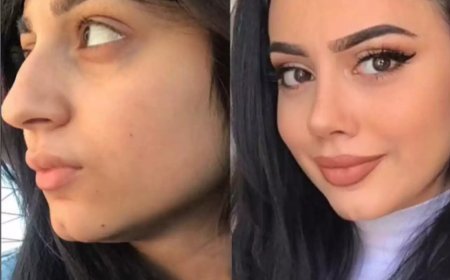
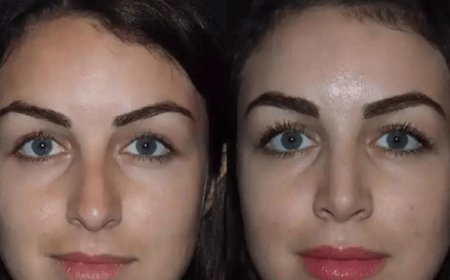
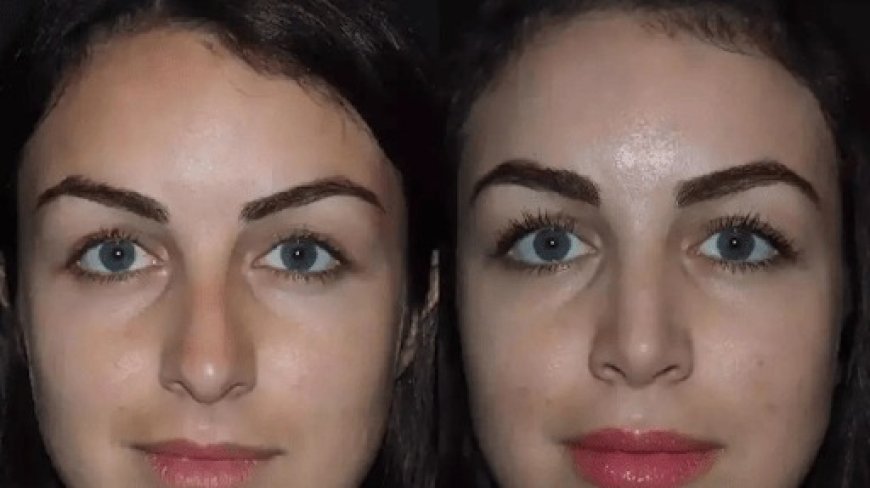
Reviewing Rhinoplasty before and after photographs can help patients understand the types of changes that may be possible through surgery.
These photographs can provide useful visual information about nasal bridge refinement, tip reshaping, profile changes, and improvements in facial proportions.
However, patients should remember that photographs do not guarantee similar outcomes.
Several factors influence the final appearance:
- Natural nasal anatomy.
- Skin thickness and elasticity.
- Cartilage strength.
- Facial proportions.
- Surgical technique.
- Healing characteristics.
- Postoperative care.
Patients should also understand that photographs may show results at different stages of recovery. Early postoperative swelling can make the nose appear different from its eventual shape.
During consultation, patients should ask whether the displayed photographs represent cases with similar anatomical characteristics and treatment requirements.
Rhinoplasty Cost in Dubai: Factors That Influence Pricing
Understanding the Rhinoplasty cost in Dubai is an important part of treatment planning. The overall price can differ depending on the complexity of surgery, the surgeon's experience, the chosen technique, and the medical facilities involved.
There is no universal price that applies to every patient because each procedure requires an individual assessment.
Factors Affecting Rhinoplasty Pricing
- Complexity of the Procedure
A straightforward nasal refinement may involve different surgical requirements compared with a complex structural correction or revision rhinoplasty.
- Surgical Technique
Open and closed approaches may involve different levels of planning and technical requirements. The selected method depends on the patient's anatomy and goals.
- Anaesthesia and Facility Charges
The overall treatment estimate may include anaesthesia, operating room expenses, and other facility-related charges.
- Surgeon's Professional Experience
Qualifications, specialist training, and relevant surgical experience are important considerations when evaluating treatment options.
- Follow-Up Care
Postoperative appointments and monitoring are important parts of the surgical journey. Patients should clarify whether follow-up services are included in the quoted amount.
Why Compare Complete Treatment Costs?
Patients should avoid making decisions based exclusively on the lowest advertised price. Instead, they should request a clear breakdown of the total treatment expenses.
A detailed quotation should explain which services are included and whether additional appointments or medical assessments may involve separate charges.
At Perfect Doctors Clinic, patients can discuss their treatment requirements and seek information about the expected costs during consultation.
Best Plastic Surgeons in Dubai: What Should Patients Consider?
Researching Best Plastic surgeons in Dubai can help patients understand the importance of selecting an appropriately qualified professional for nasal surgery.
However, choosing a surgeon should involve more than searching for popular names or attractive marketing claims.
Patients should consider:
- Relevant specialist qualifications.
- Professional licensing and registration.
- Experience with nasal surgery.
- Understanding of nasal anatomy.
- Ability to explain surgical limitations.
- Clear communication during consultation.
- Appropriate postoperative monitoring.
A surgeon should be willing to discuss both the potential benefits and limitations of treatment.
Patients should also feel comfortable asking questions about the procedure, anaesthesia, recovery, and possible complications.
Best Rhinoplasty Doctors in Dubai: Making an Informed Choice
People searching for Best rhinoplasty doctors in dubai often want to identify professionals who can understand their aesthetic preferences and provide appropriate surgical recommendations.
The most suitable professional is not necessarily the one who promises the most dramatic transformation. Instead, patients should look for a surgeon who prioritises individual anatomy, realistic expectations, and nasal function.
Evaluate the Consultation Experience
A good consultation should provide sufficient time to discuss the patient's concerns. The surgeon should explain the recommended approach and why it may be suitable.
Patients should avoid making rushed decisions or proceeding when important questions remain unanswered.
Understand Surgical Limitations
Rhinoplasty can create meaningful changes, but it cannot guarantee perfect symmetry or reproduce another person's nose.
The surgeon should explain how skin thickness, cartilage structure, healing, and facial proportions may influence the outcome.
Review Aftercare Arrangements
Postoperative monitoring is an important part of treatment. Patients should understand the expected appointment schedule and know whom to contact if they experience unexpected symptoms.
Rhinoplasty Recovery: What Happens After Surgery?
Rhinoplasty recovery takes place gradually. The initial healing period is different from the time required for the nose to reach its final appearance.
Patients should follow the surgeon's instructions carefully throughout recovery.
First Week After Surgery
During the first week, swelling, bruising, mild discomfort, and nasal congestion may occur. A protective splint or dressing may be placed over the nose to support the healing structures.
Patients are generally advised to rest, keep their head elevated, and avoid activities that could place pressure on the nose.
A follow-up appointment may be scheduled to assess healing and remove or adjust dressings when appropriate.
Second Week After Surgery
Bruising and noticeable swelling often begin to improve during the following weeks. Some patients may feel comfortable returning to light daily activities, depending on their recovery and the surgeon's advice.
However, the nose remains sensitive, and patients should avoid accidental pressure or impact.
First Few Months
Swelling continues to decrease gradually. The nasal shape becomes more defined as the tissues heal.
Patients should attend scheduled appointments so the surgeon can monitor progress and identify any concerns.
Final Healing Stage
The nose may continue changing for several months. Residual swelling, particularly around the nasal tip, can take longer to settle.
Final results may take approximately a year or sometimes longer, depending on the procedure and individual healing characteristics.
Rhinoplasty Results: What Can Patients Realistically Expect?
Rhinoplasty results depend on the patient's anatomy, surgical plan, technique, and healing process.
The objective is generally to achieve an appearance that complements the patient's facial features while maintaining appropriate nasal support and function.
Patients may notice changes in:
- Nasal bridge shape.
- Nasal tip definition.
- Overall nose proportions.
- Nasal alignment.
- Facial profile balance.
- Selected structural breathing concerns.
It is important to understand that the final appearance cannot be judged immediately after surgery.
Swelling can temporarily affect the shape of the nose, and the tissues require sufficient time to settle.
A successful treatment experience also involves realistic expectations and an understanding that individual outcomes vary.
Possible Risks and Important Safety Considerations
Rhinoplasty is a surgical procedure, and patients should understand its potential risks before deciding to proceed.
Possible complications include bleeding, infection, reactions to anaesthesia, prolonged swelling, changes in sensation, breathing difficulties, asymmetry, scarring, and dissatisfaction with the appearance.
Some patients may require additional surgery if the initial result does not meet their functional or aesthetic needs.
The likelihood of complications depends on several individual factors, including medical history, anatomy, surgical complexity, and healing characteristics.
Patients should discuss their personal risk profile with their surgeon before treatment.
Following postoperative instructions, attending follow-up appointments, and reporting unexpected symptoms promptly can support appropriate recovery management.
How to Prepare for Rhinoplasty Surgery
Preparing properly can help patients approach surgery with a clearer understanding of the process.
Follow Medical Instructions
Patients should follow all instructions provided by their surgical and anaesthesia teams. This may include medical testing, medication adjustments, and fasting requirements.
Prescription medicines should never be stopped or changed without professional guidance.
Avoid Smoking and Nicotine
Smoking and nicotine use can interfere with normal healing. Patients should discuss cessation requirements and timing with their surgeon.
Arrange Postoperative Support
Patients may need someone to accompany them home after surgery and assist them during the initial recovery period.
Planning transportation and time away from work can make the recovery process more manageable.
Prepare Your Recovery Space
A comfortable resting area, appropriate pillows, prescribed medications, and easy access to essential supplies can help patients follow their aftercare instructions.
Why Consider Perfect Doctors Clinic for Rhinoplasty Consultation?
Choosing an appropriate clinic is an important part of planning nasal surgery. Patients should look for clear communication, individual assessment, professional medical guidance, and an organised approach to postoperative care.
Perfect Doctors Clinic is the clinic reference for patients exploring rhinoplasty information in this guide.
Before proceeding, patients should arrange a consultation to discuss their aesthetic concerns, medical history, and expectations. They should also ask about the proposed surgical technique, the professional qualifications of the operating surgeon, the facility, and the follow-up arrangements.
A detailed discussion can help patients understand whether the recommended treatment is suitable for their individual needs.
The decision to undergo rhinoplasty should always be based on an informed medical assessment rather than promotional promises.
Conclusion
Rhinoplasty is a specialised surgical procedure that can address selected aesthetic and structural concerns involving the nose. Understanding the surgical approaches, treatment options, consultation process, recovery requirements, and potential costs can help patients make more informed decisions.
Patients researching rhinoplasty treatment may also look for information about Dr perfect celebrity when exploring their available options at Perfect Doctors Clinic. Understanding the surgeon's qualifications, experience, surgical approach, and consultation process is important before making a decision. Patients should discuss their aesthetic goals, nasal structure, expected results, and recovery requirements during a professional consultation to determine the most appropriate treatment plan.
When researching the Best Doctors in Dubai, patients should prioritise relevant qualifications, surgical experience, personalised planning, realistic expectations, and appropriate postoperative support.
Whether someone is considering nasal bridge refinement, tip reshaping, or functional correction, an individual assessment is essential before choosing a treatment approach.
Perfect Doctors Clinic provides a point of reference for individuals exploring rhinoplasty consultation and treatment information. Taking time to understand the procedure and discuss personal requirements with a qualified medical professional is an important step towards making a confident and informed decision.
Frequently Asked Questions (FAQs)
1. What is rhinoplasty surgery?
Rhinoplasty is a surgical procedure that changes the shape, size, or structure of the nose. It may be performed for cosmetic reasons, functional concerns, or a combination of both, depending on the patient's needs.
2. Who is a suitable candidate for rhinoplasty?
Suitable candidates are generally individuals with realistic expectations, appropriate physical development, and good overall health. A qualified surgeon must evaluate the patient's medical history and nasal anatomy before recommending surgery.
3. How can I find the Best Doctors in Dubai for rhinoplasty?
Patients should review professional qualifications, relevant surgical experience, licensing, communication, treatment planning, and postoperative care arrangements. A detailed consultation can help determine whether a surgeon is suitable.
4. How long does rhinoplasty surgery take?
The duration depends on the complexity of the procedure and the surgical technique. Many procedures take approximately one to three hours, although more complex cases may require additional time.
5. What is the difference between open and closed rhinoplasty?
Open rhinoplasty uses a small external incision across the columella to provide greater visibility of nasal structures. Closed rhinoplasty uses incisions inside the nostrils. The appropriate technique depends on individual treatment requirements.
6. How long does rhinoplasty recovery take?
Initial recovery generally takes a few weeks, although swelling may continue to decrease for several months. The final nasal appearance can take approximately 12 months or longer to develop.
7. What factors affect the Rhinoplasty cost in Dubai?
The price depends on surgical complexity, technique, surgeon's professional experience, anaesthesia, facility charges, and follow-up arrangements. Patients should request a personalised quotation after consultation.
8. Can rhinoplasty improve breathing?
Yes, in selected cases, rhinoplasty may be combined with functional correction to address structural problems affecting nasal airflow. The surgeon must assess the underlying cause of breathing difficulties.
9. When can I see my final rhinoplasty results?
Patients may notice initial changes after the protective splint is removed, but swelling can affect the appearance for several months. Final results often become clearer around 12 months, depending on individual healing.
10. Why is a consultation important before rhinoplasty?
A consultation allows the surgeon to review medical history, examine nasal structures, understand aesthetic goals, and recommend an appropriate treatment plan. It also gives patients an opportunity to discuss risks, costs, recovery, and realistic expectations.
What's Your Reaction?
 Like
0
 Dislike
0
 Love
0
 Funny
0
 Angry
0
 Sad
0
 Wow
0