

























Best Refrigerators in the Philippines Under ₱15,000, ₱25,000, and ₱40,000
Learn how to choose the best refrigerators in the Philippines for different budgets. Compare features and prices for models under ₱15,000, ₱25,000, and ₱40,000 to find the perfect fit.
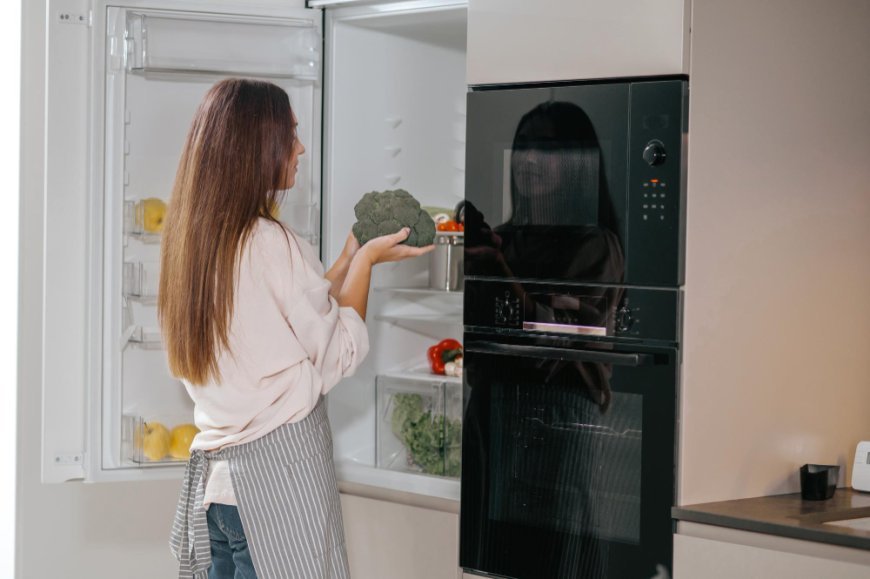
When shopping for a refrigerator, it's important to consider your needs, your budget, and the features necessary. The best refrigerators in the Philippines offer reliable performance without compromising on energy efficiency or durability. Factors like family size, storage requirements, and long-term costs influence which model fits your home.
Understanding Budget Tiers
Refrigerators fall into three main price ranges: entry-level, mid-range, and premium. Entry-level models under ₱15,000 often suit small households needing basic cooling. Mid-range options between ₱15,000 and ₱25,000 include larger capacities or frost-free technology. Premium units above ₱25,000 cater to families seeking advanced functions such as smart controls or multi-zone cooling.
Entry-Level Options (Under ₱15,000)
Basic units under ₱15,000 usually provide compact capacities designed for modest households. Local brands like Hanabishi supply cost-effective single-door models that fit tight kitchen areas easily. These affordable units deliver dependable cooling for everyday groceries while keeping your initial purchase costs low.
Mid-Range Choices (₱15,000–₱25,000)
Mid-tier options between ₱15,000 and ₱25,000 introduce larger interiors and automatic defrosting systems. Trusted Filipino brands like Condura excel in this price range by offering durable two-door models. These reliable units accommodate growing families without causing sudden spikes in monthly utility bills.
Premium Models (Over ₱25,000)
High-end refrigerators above ₱25,000 pack advanced cooling electronics and larger multi-door frames. Global manufacturers like LG dominate this upper tier with smart features and inverter technology. These premium designs keep large amounts of fresh food organised while running very quietly.
Comparing Refrigerator Types
Three primary configurations dominate the market: single-door, double-door, and French-door models. Single-door units combine fridge and freezer compartments in one vertical space, ideal for compact kitchens. Double-door models split storage evenly between fridge and freezer sections, often with top or bottom freezer placement. French-door designs feature two side-by-side fridge doors above a pull-out freezer drawer, offering premium accessibility.
Single-Door Efficiency
These compact units typically range from 150L to 300L, fitting well in small homes or offices. Freezer compartments occupy 20–30% of total volume, suitable for light freezing needs like ice trays or frozen vegetables. Their streamlined design reduces energy consumption compared to larger models.
Double-Door Flexibility
Double-door configurations split the fresh food area from the frozen goods section. Well-known Japanese brands like Panasonic provide efficient double-door units built for high daily use. This practical arrangement prevents cold air loss and keeps frequently used items within easy reach.
French-Door Advantages
Premium French-door units exceed 500L, featuring advanced tech like dual evaporators to prevent odor transfer. Wide fridge compartments fit large platters, and pull-out freezers make frozen items easier to reach. These models often include water dispensers and smart-home integration.
Key Features to Prioritize
When comparing refrigerators, focus on capacity, energy efficiency, and design. A model’s size should match your household’s daily consumption habits. Energy ratings indicate long-term savings, while layout options like bottom freezers or side-by-side doors affect usability.
Capacity and Layout
Households with four or more members typically need at least 300L of storage. Top-freezer models provide easier access to frequently used items. Bottom-freezer designs offer more space for tall containers in the fridge section. Side-by-side models suit those needing equal fridge and freezer access.
Energy Efficiency
An energy-efficient refrigerator reduces monthly utility costs. Models with at least a 3-star energy rating offer better savings. Inverter technology stabilizes power use, minimizing spikes during peak hours. This feature is especially useful in areas with fluctuating electricity supply.
Cost of Ownership Considerations
Beyond the purchase price, factor in long-term expenses like energy consumption and maintenance. Calculate annual electricity costs using the model’s wattage rating and daily usage patterns. For example, a 150-watt refrigerator running 24/7 consumes roughly 131 kWh monthly, impacting utility bills over time.
Evaluating Brand Reliability
Durability and after-sales service impact a refrigerator’s long-term value. Brands with established local service centers ensure quicker repairs. Customer reviews highlight common issues like compressor failures or temperature inconsistencies. Warranty terms should specify coverage duration and exclusions.
Comparing Refrigerator Technologies
Understanding cooling technologies helps narrow down choices. Inverter compressors adjust speed based on load, cutting energy use by up to 30%. Non-inverter models run at full power until reaching the set temperature, causing higher wear and energy spikes.
Installation and Space Planning
Proper installation ensures optimal performance. Measure your space carefully, leaving at least 5cm clearance behind and sides for ventilation. Door swing clearance prevents obstructions.
Assessing Household Storage Needs
Calculate required capacity based on household size and usage habits. A family of four needs at least 300L, with 20% allocated to the freezer. Tall bottles or large trays may require adjustable door racks or slide-out drawers. .
Evaluating After-Sales Support
Warranty terms and service network accessibility matter. Most brands offer 1–2 years of full coverage, but compressor warranties may extend up to 5 years. Confirm if spare parts are stocked locally to avoid long repair delays.
Key Takeaway
The best refrigerators in the Philippines cater to various budget tiers while maintaining energy efficiency and storage capacity. Focus on features that match your household size and usage patterns for better long-term satisfaction.
What's Your Reaction?
 Like
0
Like
0
 Dislike
0
Dislike
0
 Love
0
Love
0
 Funny
0
Funny
0
 Angry
0
Angry
0
 Sad
0
Sad
0
 Wow
0
Wow
0