

























Best Solar Energy Company In Bhiwadi: A Practical Guide to Choosing Solar Power
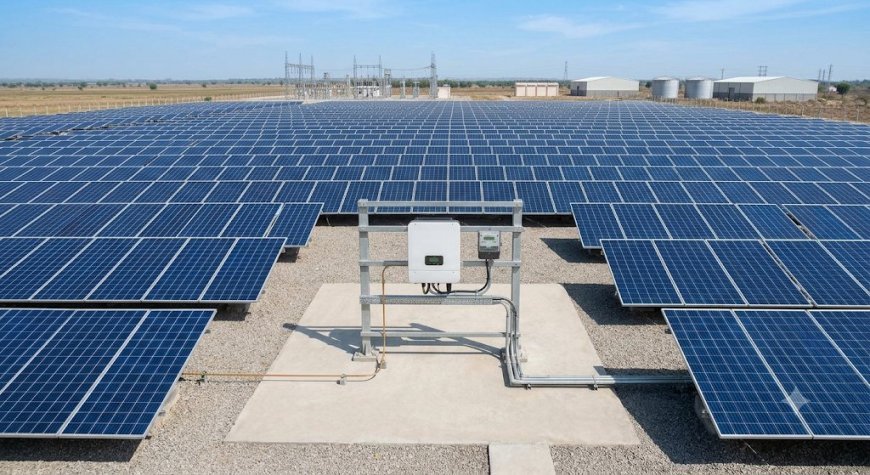
Choosing a Solar Energy Company In Bhiwadi should involve more than comparing installation quotations. Property owners should consider electricity consumption, roof or land availability, system design, equipment quality, installation standards, grid requirements, warranties, monitoring, and maintenance. A properly planned solar project can help residential, commercial, and industrial properties use renewable energy more efficiently while supporting long-term energy cost management.
Introduction
Bhiwadi has a mix of residential communities, commercial properties, warehouses, manufacturing facilities, and industrial units. Because these properties have different electricity requirements, solar systems need to be designed according to the actual needs of each site.
For a homeowner, the priority may be reducing household electricity expenses. A commercial building may want to use its rooftop efficiently, while an industrial facility may require a larger system designed around daytime production loads.
Before selecting a provider, it is useful to understand how solar system sizing works, what equipment is required, how installation is carried out, and what support is available after commissioning. This approach helps property owners compare proposals based on overall value rather than focusing only on the initial price.
What Should You Expect From a Solar Energy Company In Bhiwadi?
A professional solar provider should be able to guide customers through the major stages of a project.
These may include:
-
Initial site assessment
-
Electricity consumption analysis
-
Solar capacity planning
-
System design
-
Equipment selection
-
Structural and electrical planning
-
Installation
-
Testing and commissioning
-
Grid coordination
-
Monitoring and maintenance
Having a clearly defined process can make solar adoption easier and reduce confusion between different contractors.
Assess Your Electricity Consumption First
Solar system capacity should be connected to the property's actual electricity requirements.
Start by reviewing recent electricity bills and identifying:
-
Average monthly consumption
-
Seasonal changes
-
Daytime electricity usage
-
Peak load requirements
-
Existing sanctioned load
-
Future electricity needs
For commercial and industrial properties, daytime consumption can be particularly relevant because solar generation generally occurs during daylight hours.
A system that matches the property's energy profile can be more practical than selecting capacity based only on available roof space.
Evaluate Your Available Space
The next step is determining whether the property has suitable space for solar panels.
For rooftops, check:
-
Shadow-free area
-
Roof orientation
-
Structural condition
-
Existing equipment
-
Water tanks and other obstructions
-
Safe maintenance access
-
Cable routing possibilities
Industrial properties may also have open land suitable for ground-mounted installations.
The available space should be assessed together with electricity consumption and structural requirements before deciding the final system capacity.
Understanding Rooftop Solar in Bhiwadi
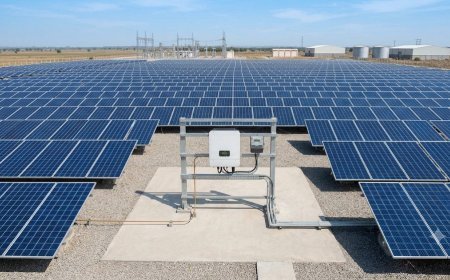
A Rooftop Solar System in Bhiwadi can be suitable for homes, offices, warehouses, and other buildings with adequate shadow-free roof space.
However, simply having a large roof does not automatically mean the entire area should be covered with panels.
A proper layout should consider:
-
Panel orientation
-
Shadow patterns
-
Walkways
-
Drainage
-
Mounting structures
-
Maintenance access
-
Inverter location
-
Electrical cable routes
Good planning can help balance energy generation, safety, accessibility, and long-term maintenance.
What Equipment Is Required?
A solar installation generally includes several important components rather than panels alone.
|
Component |
What to Check |
Purpose |
|
Solar Panels |
Efficiency and warranty |
Generate electricity from sunlight |
|
Inverter |
Capacity and efficiency |
Converts generated electricity |
|
Mounting Structure |
Strength and material |
Supports the panels |
|
DC/AC Cables |
Correct specifications |
Transfers electrical power |
|
Protection Devices |
Suitable ratings |
Supports electrical safety |
|
Monitoring System |
Data access and alerts |
Tracks system performance |
Equipment should be selected according to the project's size, site conditions, expected generation, and long-term requirements.
How Solar Energy Solutions in Bhiwadi Can Be Planned
Different properties require different approaches. Solar Energy Solutions in Bhiwadi may include rooftop systems, ground-mounted installations, or other configurations depending on the available space and energy profile.
For example:
Residential Properties
Homes generally require smaller systems designed around household electricity consumption and available rooftop space.
Commercial Buildings
Offices, shops, schools, and other commercial properties may use rooftop areas to offset part of their electricity consumption.
Industrial Facilities
Factories and warehouses may have larger energy requirements and significant roof or land availability. Their systems may therefore require more detailed structural, electrical, and load analysis.
The right solution depends on the individual site rather than a fixed package.
Compare Solar Quotations Correctly
When receiving multiple quotations, avoid comparing only the final price.
Check whether each proposal includes the same:
-
System capacity
-
Panel specifications
-
Inverter specifications
-
Mounting structure
-
Electrical protection
-
Installation work
-
Testing and commissioning
-
Grid-related support
-
Warranty coverage
-
Monitoring
-
Maintenance
Two systems with the same capacity may have very different specifications and service coverage.
A transparent quotation should clearly identify what is included and whether additional costs could arise during installation.
Installation Quality Is Important
Solar panels can operate for many years, so installation quality deserves careful attention.
A professional installation should include proper mounting, panel alignment, cable management, electrical connections, earthing, protection, and system testing.
Poor installation practices can create unnecessary maintenance requirements and may affect system performance.
For larger projects, documentation, inspection procedures, and commissioning checks can also make future maintenance easier.
Solar Requirements in Industrial Areas
Industrial areas around Bhiwadi often contain facilities with significant electricity consumption. For these properties, solar planning should consider more than roof size.
Important factors include:
-
Factory operating hours
-
Electricity load profile
-
Roof or land availability
-
Structural condition
-
Existing electrical infrastructure
-
Future expansion
-
Grid connection requirements
A detailed technical assessment can help determine whether rooftop or ground-mounted solar is more appropriate.
Comparing Bhiwadi and Manesar Solar Requirements
Businesses operating across industrial locations may compare Solar Energy Company in Manesar options with providers serving Bhiwadi.
Although the basic principles of solar design remain similar, each site has its own requirements. Roof construction, electricity consumption, available space, electrical infrastructure, regulations, and project scale can all affect the final design.
Instead of selecting a provider solely because it serves a particular location, businesses should evaluate technical capability and experience with projects similar to their own.
Can Rooftop Solar Work in Industrial Areas?
Yes, provided the roof is structurally suitable and has sufficient usable space.
A Rooftop Solar System in Imt Manesar or a similar industrial rooftop project should be designed after checking structural strength, shading, roof condition, electrical load, access requirements, and future maintenance needs.
The same principle applies to industrial properties in Bhiwadi. The final system should be based on a site-specific feasibility assessment rather than a standard design.
Questions to Ask Before Selecting a Provider
Before finalising a solar project, property owners should ask:
-
How will the system capacity be calculated?
-
What equipment specifications are included?
-
How much electricity is expected to be generated?
-
Who will handle installation and commissioning?
-
What approvals are required?
-
What warranties are included?
-
Is monitoring available after installation?
-
What maintenance support is provided?
-
Can the system be expanded in the future?
-
Are all project costs clearly mentioned in the quotation?
These questions can help identify differences between competing proposals.
FAQs
1. Is rooftop solar suitable for homes in Bhiwadi?
It can be suitable when the property has adequate shadow-free roof space, suitable structural conditions, and electricity consumption that can be offset by solar generation.
2. Can factories use rooftop solar?
Yes. Factories and warehouses with suitable roofs can consider rooftop systems. Structural capacity, electricity consumption, roof condition, and electrical infrastructure should be evaluated first.
3. How is solar system capacity determined?
Capacity depends on electricity consumption, available space, structural conditions, load requirements, expected generation, and applicable grid requirements.
4. Should I choose a solar provider based only on price?
No. Equipment quality, engineering, installation, warranties, monitoring, maintenance, and project scope should also be compared.
5. What maintenance does a rooftop solar system require?
Typical maintenance may include periodic panel cleaning, visual inspections, electrical checks, inverter monitoring, and troubleshooting when performance changes.
6. Can a solar system be expanded later?
Expansion may be possible if sufficient space and electrical capacity remain available and applicable grid requirements allow it. Future expansion should ideally be discussed during the original system design.
Conclusion
Solar adoption is most effective when the project is planned around the property's actual electricity requirements, available space, structural conditions, and long-term energy goals. Comparing providers based on engineering, equipment, installation quality, transparency, warranties, and after-sales support can help property owners make a more informed decision. A well-planned solar system should focus not only on installation but also on reliable operation and long-term performance. Rishika Kraft Solar supports solar requirements across residential, commercial, and industrial applications.
What's Your Reaction?
 Like
0
 Dislike
0
 Love
0
 Funny
0
 Angry
0
 Sad
0
 Wow
0