





























Canberra, ACT: Australia’s Capital City and a Unique Destination
Canberra, ACT: Australia’s Capital City and a Unique Destination

Introduction
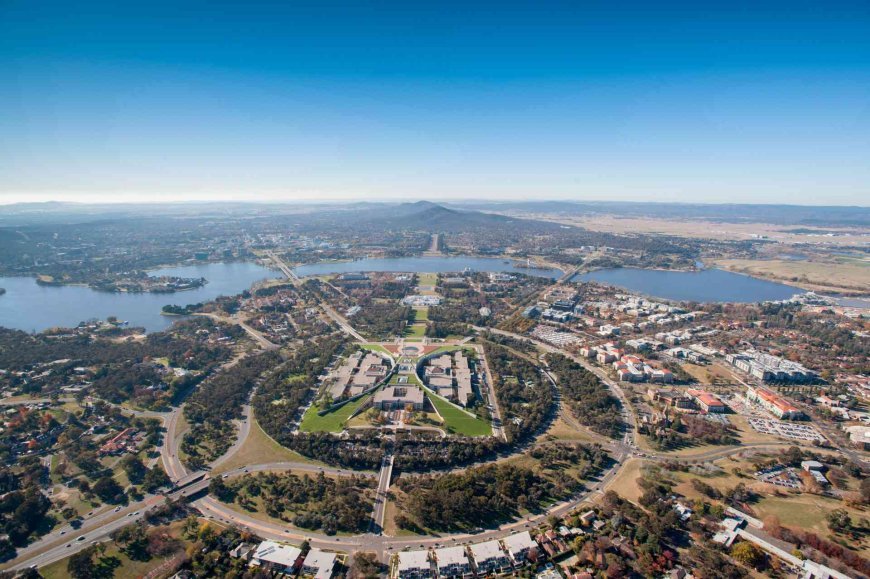
Canberra, located in the Australian Capital Territory (ACT), is the capital city of Australia and one of the country’s most distinctive urban destinations. Known for its political significance, carefully planned layout, cultural attractions, green spaces, and high quality of life, Canberra act target location offers a unique combination of government, education, nature, and modern urban living. Unlike Sydney and Melbourne, which developed into large commercial and cultural centres over many generations, Canberra was specifically designed to serve as the national capital. Today, it attracts tourists, students, professionals, families, and people interested in Australian history and culture.
Canberra is an important location for understanding Australia’s national identity, political system, and cultural development. Its peaceful atmosphere, broad streets, landscaped parks, and surrounding natural environment make it an appealing place to live, work, study, and visit.
Geographical Location and Climate
Canberra is situated in southeastern Australia, between Sydney and Melbourne, within the Australian Capital Territory. Although the ACT is relatively small compared with Australia’s states, it has considerable political, administrative, educational, and cultural importance. The city lies within a landscape of rolling hills, open plains, lakes, and surrounding mountains, creating an attractive setting for urban development.
The geographical position of Canberra contributes to its distinctive climate. The city experiences four clearly defined seasons. Summers are generally warm to hot, while winters can be cold, with chilly mornings, occasional frost, and snow sometimes visible in the nearby mountains. Spring brings blossoming trees and colourful gardens, while autumn is recognised for its changing foliage and comfortable daytime temperatures.
These seasonal changes influence outdoor activities, tourism, gardening, and everyday lifestyles. Residents and visitors can enjoy walking, cycling, picnicking, and sightseeing throughout much of the year, although appropriate clothing is important during colder months and hot summer days.
Historical Development
Canberra was selected as the location for Australia’s national capital following the federation of the Australian colonies in 1901. A compromise was required because Sydney and Melbourne were competing for the role. Canberra was chosen as a separate capital location between the two major cities, and the Australian Capital Territory was established to provide a dedicated area for the national government.
The city’s design was influenced by an international planning competition won by American architects Walter Burley Griffin and Marion Mahony Griffin. Their vision incorporated geometric patterns, significant public spaces, landscaped areas, and a relationship between the built environment and the natural landscape.
Development progressed gradually, and Canberra officially became the seat of the federal Parliament in 1927, when Parliament House in the city was opened. Since then, Canberra has expanded from a relatively small administrative settlement into a modern city with established residential communities, universities, research institutions, shopping centres, and cultural facilities.
Its history reflects Australia's development as a federation and the continuing importance of national institutions in shaping the country's political and social life.
Government and Political Significance
Canberra is the centre of Australia's federal government and national administration. The Australian Parliament operates from Parliament House, where elected representatives debate legislation, consider national policies, and make decisions affecting communities across the country.
Parliament House is one of Canberra’s most recognisable landmarks. Its architecture, public spaces, and location on Capital Hill reflect its national importance. Visitors can learn about Australia's democratic system, parliamentary procedures, and political history through exhibitions and guided tours when available.
Other significant institutions include the High Court of Australia, which interprets the Constitution and addresses important legal questions, and numerous government departments and public agencies. Diplomatic missions and international organisations also contribute to the city's role in international relations.
The concentration of government institutions makes Canberra a major employment centre for public servants, policy advisers, researchers, legal professionals, and administrative specialists. Government activity also supports local businesses, accommodation providers, restaurants, and professional services.
Education and Research
Education is another defining feature of Canberra. The city has a strong reputation for higher education, research, and professional training. The Australian National University is internationally recognised for its academic and research activities, while the University of Canberra provides education across a wide range of professional and academic fields.
Canberra also has schools, vocational education providers, research centres, and specialised institutions that contribute to its educational environment. Students from different parts of Australia and overseas come to the city to pursue qualifications and gain professional experience.
The presence of universities and research organisations encourages innovation, collaboration, and intellectual development. Areas such as public policy, environmental science, technology, health, international relations, and scientific research are particularly relevant to the city's professional landscape.
Education also contributes to Canberra’s diverse community. Students bring different cultural perspectives, establish social networks, and support local businesses, helping create an active and internationally connected urban environment.
Tourism and Cultural Attractions
Canberra offers a wide range of attractions for visitors interested in history, politics, art, science, and Australian culture. The National Museum of Australia explores the country's social history, cultural heritage, and national experiences. The National Gallery of Australia houses an extensive collection of Australian and international art, while the National Portrait Gallery presents portraits of influential people associated with Australian life.
The Australian War Memorial is another major destination, commemorating the experiences and sacrifices of Australian service personnel through exhibitions, historical collections, and memorial spaces.
Lake Burley Griffin is central to Canberra's identity and provides opportunities for walking, cycling, boating, photography, and relaxation. Its surrounding paths and public spaces connect several important cultural and civic landmarks.
The National Arboretum Canberra features extensive collections of trees and landscaped areas, offering scenic views across the surrounding region. Visitors can also explore the nearby mountains, nature reserves, gardens, and walking trails.
These attractions make Canberra suitable for educational trips, family holidays, weekend visits, and longer stays. Its relatively organised layout can also make it easier for visitors to combine several attractions in a single itinerary.
Economy and Employment Opportunities
Canberra has a diverse economy supported by government administration, education, healthcare, research, information technology, construction, tourism, and professional services. The public sector remains especially important because federal institutions and government agencies generate employment and create demand for related services.
The city's universities and research organisations support skilled employment, while technology businesses and consulting firms contribute to economic development. Healthcare and education provide essential services and employment for a growing population.
Tourism also benefits the local economy through accommodation, restaurants, transport, cultural venues, and recreational businesses. Conferences, government meetings, educational visits, and cultural events bring additional visitors to the city.
For job seekers, Canberra offers opportunities in public administration, policy development, information technology, research, healthcare, teaching, and business services. However, employment conditions vary according to qualifications, experience, security requirements, and demand within particular industries.
Lifestyle, Housing, and Community
Canberra is often associated with an organised urban environment, accessible green spaces, educational opportunities, and a relatively relaxed pace of life. Many residential areas include parks, walking paths, schools, shopping facilities, and community services.
The city offers a variety of housing options, including apartments, townhouses, and detached homes. However, housing affordability and rental costs can be important considerations for residents, particularly students, younger workers, and households entering the property market.
Canberra's population includes people from diverse cultural backgrounds, creating opportunities to experience different cuisines, community events, languages, and traditions. Restaurants, markets, sporting clubs, libraries, and local festivals contribute to the city's social life.
Public transport includes buses and light rail services, although the convenience of travelling without a car depends on the neighbourhood and destination. Walking and cycling are popular in suitable areas, supported by dedicated paths and open spaces.
Natural Environment and Outdoor Recreation
One of Canberra’s greatest strengths is its connection with nature. Parks, reserves, gardens, and lakes are integrated into the city's design, giving residents convenient access to outdoor recreation.
Mount Ainslie and Black Mountain are popular locations for walking and enjoying panoramic views. The surrounding countryside offers opportunities for hiking, cycling, wildlife observation, and photography.
Lake Burley Griffin provides a focal point for outdoor activities, while Canberra's gardens and arboretum offer peaceful environments for relaxation. Seasonal changes create different experiences throughout the year, from spring flowers to autumn colours.
Protecting these natural areas remains important as the city grows. Responsible development, biodiversity conservation, water management, and sustainable transport can help maintain Canberra’s environmental character for future generations.
Conclusion
Canberra, ACT, is much more than Australia's political capital. It is a carefully planned city that combines government, education, culture, economic activity, and environmental beauty. Its national institutions preserve and explain Australia's history, while its universities, research centres, and professional industries contribute to the country's future.
The city's museums, galleries, memorials, lakes, gardens, and surrounding natural landscapes provide a wide range of experiences for residents and visitors. Although considerations such as housing costs, winter temperatures, and transport accessibility influence everyday life, Canberra continues to offer significant educational, professional, recreational, and cultural opportunities.
Overall, Canberra stands out as a distinctive Australian destination where national identity, modern urban development, and the natural environment come together. Whether someone visits to explore Australian history, pursue education, develop a career, or enjoy outdoor activities, Canberra offers a meaningful introduction to the character and diversity of Australia.
What's Your Reaction?
 Like
0
 Dislike
0
 Love
0
 Funny
0
 Angry
0
 Sad
0
 Wow
0