

























Best Bone Doctor Chhattisgarh: A Guide to Orthopaedic Care

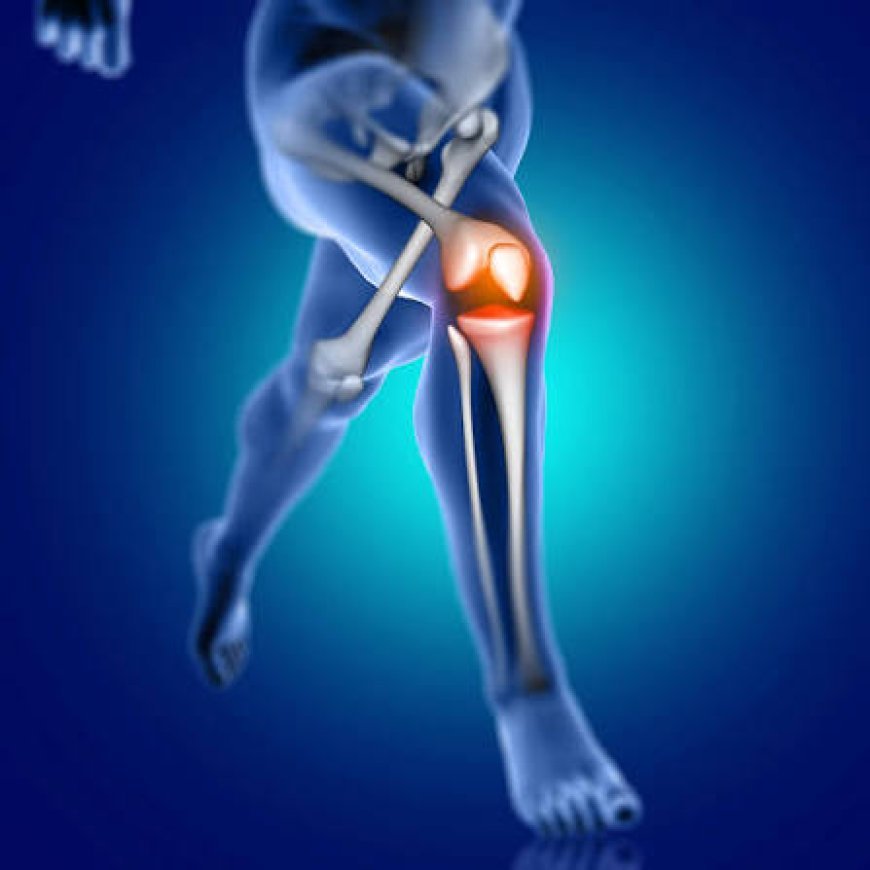
Bone and joint health plays an important role in everyday life, from walking and climbing stairs to working, exercising, and enjoying time with family. However, persistent joint pain, back discomfort, sports injuries, fractures, and age-related changes can make even simple activities difficult. Seeking timely medical advice can help identify the cause of these problems and guide appropriate treatment.
Finding the best bone doctor in Chhattisgarh involves more than looking for someone who treats fractures. Patients may need an orthopaedic specialist who understands bone health, joint function, muscle and ligament injuries, and conditions affecting mobility. Knowing what orthopaedic doctors treat, when to seek help, and how to evaluate a specialist can make the process of choosing care easier.
What Does an Orthopaedic Doctor Treat?
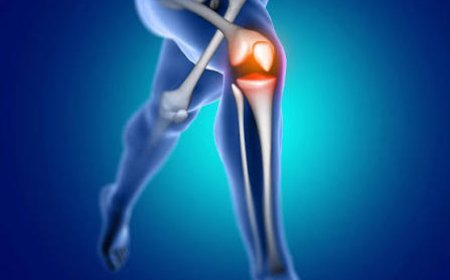
An orthopaedic doctor, also known as an orthopaedist or bone specialist, diagnoses and treats conditions affecting the musculoskeletal system. This system includes bones, joints, muscles, tendons, ligaments, and other structures that support movement.
Depending on their training and clinical focus, orthopaedic specialists may provide care for:
-
Fractures and broken bones: Injuries caused by falls, road accidents, sports, or other trauma.
-
Joint pain and stiffness: Problems affecting the knees, hips, shoulders, elbows, and other joints.
-
Back and neck pain: Conditions involving the spine, surrounding muscles, and related structures.
-
Sports injuries: Ligament tears, muscle injuries, tendon problems, and joint damage.
-
Arthritis: Conditions that cause joint inflammation, pain, stiffness, or gradual cartilage damage.
-
Bone and joint deformities: Structural problems that may affect movement, posture, or physical function.
-
Tendon and ligament injuries: Damage that can reduce joint stability and make movement painful.
Not every orthopaedic problem requires surgery. Many conditions can initially be managed through medication prescribed by a doctor, physiotherapy, activity modification, or other non-surgical approaches.
When Should You Consult a Bone Specialist?
You should consider consulting an orthopaedic doctor when pain, swelling, stiffness, or restricted movement persists, returns frequently, or begins interfering with daily activities. Early evaluation may help identify the underlying problem before it becomes more difficult to manage.
Some symptoms that deserve medical attention include:
-
Pain in the knee, hip, shoulder, wrist, or ankle that does not improve.
-
Swelling or tenderness around a joint.
-
Difficulty walking, standing, bending, or lifting objects.
-
Repeated joint instability or a feeling that a joint may give way.
-
Back or neck pain accompanied by restricted movement.
-
Pain following a sports injury or accidental fall.
-
Reduced mobility or persistent morning stiffness.
-
A suspected fracture or a noticeable change in limb alignment.
Warning Signs That Require Urgent Medical Attention
Certain symptoms should not wait for a routine appointment. Seek urgent medical care if you experience severe pain after an injury, an obvious deformity, an open fracture, or an inability to bear weight following significant trauma.
A joint that suddenly becomes red, hot, swollen, and painful, particularly with fever, also needs prompt assessment. New weakness, numbness around the groin, or loss of bladder or bowel control alongside back pain requires emergency evaluation.
How to Choose the Best Bone Doctor in Chhattisgarh
The best specialist for one patient may not be the right choice for another. A person with a broken bone may need different expertise from someone managing chronic knee arthritis or a complicated sports injury.
When comparing orthopaedic doctors in Chhattisgarh, consider the following factors.
1. Relevant Qualifications and Clinical Experience
Check whether the doctor has recognised medical qualifications and appropriate specialist training in orthopaedics. Experience treating conditions similar to yours can also be useful when deciding whom to consult.
For complex problems, ask whether the specialist regularly manages that particular condition or whether a more specialised consultation may be appropriate.
2. Ability to Explain the Diagnosis
A good consultation should help you understand what may be causing your symptoms. The doctor should explain the examination findings, relevant test results, possible treatment options, and the expected benefits and limitations of each approach.
You should feel comfortable asking questions and discussing concerns about recovery, mobility, costs, or surgery.
3. Access to Appropriate Diagnostic Facilities
Depending on the symptoms, an orthopaedic assessment may involve an X-ray, MRI, CT scan, blood tests, or other investigations. Not every patient needs advanced imaging, and tests should be selected according to the clinical findings.
Access to appropriate diagnostic services can help the doctor make informed decisions and monitor progress when necessary.
4. Availability of Rehabilitation and Follow-Up Care
Treatment often continues after the initial consultation. Fractures may need follow-up imaging, while joint and soft-tissue conditions may require rehabilitation exercises or physiotherapy.
Before choosing a specialist, ask about follow-up appointments, rehabilitation support, and guidance for returning to normal activities.
5. Hospital Facilities and Surgical Support
If surgery is being considered, find out whether the hospital has suitable facilities, anaesthesia support, infection-control procedures, and postoperative rehabilitation services.
Patients should also understand the likely costs, potential complications, recovery requirements, and available alternatives before making a decision.
Common Orthopaedic Conditions and Their Treatment Options
Treatment depends on the diagnosis, the severity of the condition, the patient's age, overall health, and personal needs. An orthopaedic doctor typically evaluates these factors before recommending a management plan.
Fractures and Bone Injuries
A fracture is a break in a bone that may occur after an accident, a fall, or an injury during physical activity. Some fractures are stable and can be treated with a cast, splint, or brace. Others may require surgery to restore alignment and stabilise the bone.
After a fracture, follow-up appointments help the doctor assess healing and identify complications. Patients should follow instructions about weight-bearing, movement, and rehabilitation rather than returning to normal activity too quickly.
Knee and Hip Pain
Knee and hip pain can result from arthritis, tendon problems, injuries, overuse, or other medical conditions. The location of the pain, its duration, and the activities that make it worse can help guide the assessment.
Depending on the cause, treatment may include physiotherapy, suitable exercises, changes in activity, weight management where appropriate, or medication prescribed by a clinician. Joint replacement surgery may be considered for selected patients with severe joint damage when other treatments no longer provide adequate relief.
Back and Neck Problems
Back and neck pain may arise from muscle strain, degenerative changes, disc-related conditions, or other causes. A detailed medical history and physical examination help determine whether additional investigations are needed.
Many uncomplicated cases improve with appropriate movement, gradual return to activity, and clinician-guided treatment. Persistent symptoms or pain accompanied by neurological changes may require further evaluation.
Sports and Ligament Injuries
Sports injuries can affect ligaments, tendons, muscles, and cartilage. Common examples include ankle sprains, shoulder injuries, and knee ligament damage.
Treatment may involve temporary activity modification, rehabilitation, and a gradual return to sport. Surgery is appropriate for some injuries, but the decision depends on the specific damage, functional demands, and expected outcomes.
What to Expect During an Orthopaedic Consultation
Knowing what happens during an appointment can help patients feel more prepared and make better use of their consultation time.
A typical visit may include the following steps:
-
Medical history: The doctor asks when the symptoms started, how severe they are, and whether an injury or previous condition may be involved.
-
Physical examination: The specialist assesses movement, swelling, tenderness, joint stability, strength, or other relevant signs.
-
Diagnostic testing: Imaging or laboratory tests may be recommended when needed to clarify the diagnosis.
-
Treatment discussion: The doctor explains the likely diagnosis, available options, possible risks, and expected recovery.
-
Follow-up planning: Instructions may cover medication, physiotherapy, activity restrictions, or a future review.
Bring previous medical reports, imaging results, a list of current medicines, and details of any earlier treatment. These can help the doctor understand your medical history and avoid unnecessary repetition of investigations.
Understanding Orthopaedic Care with Dr. Tanay Goyal
Patients looking for an orthopaedic consultation may come across the name Dr. Tanay Goyal while exploring care options. When considering any bone specialist, it is important to verify the doctor's qualifications, clinical focus, practice location, and the services available at the associated facility.
The right choice depends on the condition requiring attention. Someone seeking treatment for a fracture may have different needs from a patient experiencing long-term joint pain or looking for an assessment of a sports injury.
Before booking an appointment with Dr. Tanay Goyal or another orthopaedic specialist, patients can ask:
-
Does the doctor regularly treat my particular condition?
-
What examinations or tests may be necessary?
-
Are non-surgical treatments available for my situation?
-
If surgery is recommended, what are the alternatives and potential risks?
-
What rehabilitation and follow-up care will I need?
These questions help patients make informed decisions based on their medical needs rather than relying solely on promotional descriptions or general recommendations.
Practical Ways to Protect Bone and Joint Health
Although not every orthopaedic condition can be prevented, healthy daily habits may support mobility, strength, and long-term musculoskeletal health.
Stay Physically Active
Regular, appropriate physical activity helps maintain muscle strength, balance, flexibility, and joint function. Walking, swimming, cycling, and individually suitable strengthening exercises can be beneficial. People with existing injuries or chronic conditions should ask a healthcare professional which activities are appropriate.
Support Bone Health Through Nutrition
A balanced diet containing adequate calcium, protein, and vitamin D supports bone health. Dairy products, fortified foods, leafy vegetables, pulses, and other nutrient-rich foods can contribute to a balanced diet. Vitamin D supplementation may be appropriate for some individuals, but it should be based on their needs and professional advice.
Reduce the Risk of Falls and Injuries
Wear suitable footwear, keep walking areas free from obstacles, and use appropriate protective equipment during sports. Older adults and people with balance difficulties may benefit from a review of their home environment and fall-prevention strategies.
Avoid Ignoring Persistent Pain
Occasional discomfort after unusual physical activity may settle with rest, but recurring pain, swelling, or reduced mobility deserves attention. Avoid repeatedly self-medicating or continuing activities that worsen symptoms without understanding the cause.
Frequently Asked Questions
1. Who is the best bone doctor in Chhattisgarh?
The best bone doctor depends on your condition, the specialist's relevant qualifications, clinical experience, and access to appropriate diagnostic and treatment facilities. Compare these factors and choose a doctor whose expertise matches your needs.
2. When should I see an orthopaedic doctor for joint pain?
Consult an orthopaedic doctor if joint pain persists, keeps returning, or interferes with walking, work, sleep, or everyday activities. Severe pain after an injury, significant deformity, or sudden inability to bear weight requires urgent medical evaluation.
3. Can bone and joint problems be treated without surgery?
Yes, many orthopaedic conditions can be managed without surgery. Depending on the diagnosis, treatment may include physiotherapy, activity modification, prescribed medication, or other conservative measures. Some fractures and advanced joint conditions may require surgery.
4. What tests might an orthopaedic doctor recommend?
An orthopaedic doctor may recommend an X-ray, MRI, CT scan, blood test, or another investigation based on the symptoms and examination findings. Not every patient needs imaging, and the choice of test depends on the suspected condition.
5. How can I prepare for an appointment with Dr. Tanay Goyal?
Carry previous medical reports, imaging results, details of your symptoms, and a list of medicines you take. Confirm the doctor's current practice location, appointment availability, and suitability for your condition before visiting.
Conclusion
Choosing the right orthopaedic specialist is an important step towards understanding bone and joint problems and finding an appropriate treatment plan. Patients searching for the best bone doctor in Chhattisgarh should consider relevant qualifications, experience with their condition, clear communication, diagnostic facilities, and access to rehabilitation and follow-up care.
Whether you are dealing with a fracture, persistent joint pain, a sports injury, or reduced mobility, timely assessment can help guide the next steps. Patients considering a consultation with Dr. Tanay Goyal should verify his current practice details and clinical expertise to determine whether they match their individual needs. The goal of orthopaedic care is to address the underlying problem, support recovery, and help patients maintain safe, comfortable movement in everyday life.
What's Your Reaction?
 Like
0
 Dislike
0
 Love
0
 Funny
0
 Angry
0
 Sad
0
 Wow
0