











Ceramic Coating for Black Cars: Benefits and Maintenance
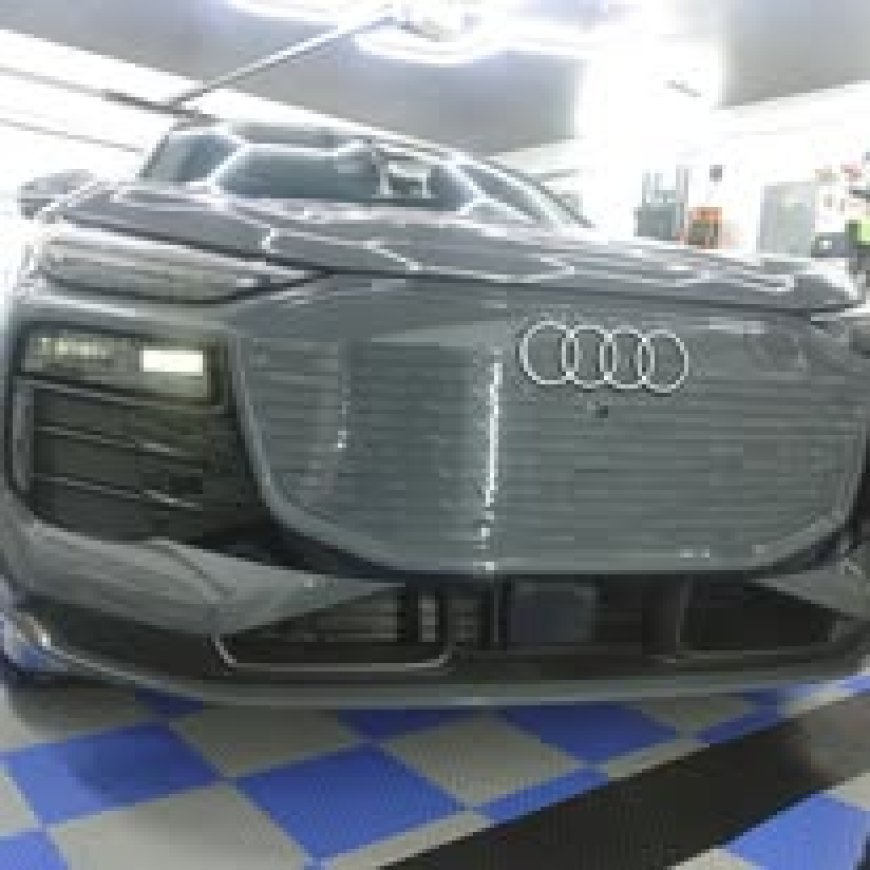
Black cars have a distinctive appearance when their paint is clean and well-maintained. The deep color, sharp reflections, and glossy finish can make even an ordinary vehicle look premium. However, black paint is also one of the most unforgiving finishes to maintain. Dust, water spots, swirl marks, and minor scratches tend to stand out more than they do on lighter-colored vehicles.

Why Black Car Paint Requires Extra Attention
Black paint does not necessarily scratch more easily than other colors, but imperfections are far more visible. Even small marks can disrupt the way light reflects across the surface, making the paint look dull or uneven.
Some of the most common problems black car owners experience include:
-
Swirl marks caused by improper washing and drying.
-
Fine scratches from dusty towels or dirty wash mitts.
-
Water spots left behind after washing in direct sunlight.
-
Dust accumulation that makes the car look dirty shortly after cleaning.
-
Fading and oxidation caused by prolonged environmental exposure.
A common mistake is trying to achieve a perfect shine by wiping the car with a dry cloth whenever dust appears. On black paint, this habit can gradually introduce fine scratches. Dust particles act like tiny abrasives, and dragging them across the surface can create marks that become especially noticeable under direct sunlight or parking-lot lighting.
The better approach is to minimize unnecessary contact with the paint and use proper washing techniques.
What Ceramic Coating Does for Black Cars
Ceramic coating is a liquid protective product that bonds with the vehicle's paint surface and creates a durable, transparent layer. Depending on the formulation and application, it can improve resistance to environmental contaminants, enhance gloss, and provide hydrophobic properties.
For black vehicles, these benefits are particularly useful because maintaining surface clarity is often just as important as protecting the paint itself.
Enhances Gloss and Depth
One of the most noticeable benefits of ceramic coating is the visual improvement it can provide. When the paint is properly cleaned and corrected before application, the coating enhances its reflective qualities, giving black paint a richer appearance.
Rather than simply making the surface look wet, a quality coating helps produce a clearer reflection. Trees, buildings, and overhead lights appear sharper when the paint is free from swirl marks and haze.
This is why preparation matters so much. Ceramic coating does not hide scratches. If the vehicle has visible imperfections before application, they may remain noticeable beneath the coating.
Helps Protect Against Environmental Contaminants
Black vehicles often show signs of contamination quickly. Bird droppings, tree sap, road film, and insect residue can be difficult to ignore, especially on horizontal surfaces such as the hood and trunk.
Ceramic coating creates a protective barrier that can help reduce the adhesion of certain contaminants, making them easier to remove during routine washing. It also provides some resistance to UV exposure, which helps slow the paint deterioration associated with prolonged sunlight.
The coating is not a permanent shield, though. Contaminants should still be removed promptly, particularly during hot weather when they can etch into the paint.
Improves Water Behavior
Ceramic coatings are known for their hydrophobic properties. Water tends to bead and move more easily across the coated surface, reducing how much moisture remains after rain or washing.
This can make washing and drying more convenient, especially for black vehicles that tend to reveal water spots. However, water beading alone does not guarantee that the paint will remain spot-free. Minerals in water can still leave deposits if droplets evaporate on the surface.
Why Paint Preparation Is Essential
A ceramic coating is only as good as the surface beneath it. Applying it to paint covered in swirl marks, embedded contaminants, or polishing residue will not produce the best results.
Professional preparation generally involves a thorough wash, chemical decontamination, clay treatment when necessary, and paint correction to remove or reduce visible imperfections.
For black vehicles, paint correction can make a significant difference. Under proper lighting, a detailer may discover fine scratches that are difficult to see in ordinary daylight. Removing or minimizing these marks before coating helps create the clear, reflective finish black paint is known for.
A useful tip is to inspect the paint under multiple lighting conditions before deciding whether it needs correction. Outdoor shade, direct sunlight, and detailing lights reveal different types of imperfections. A surface that looks flawless in a garage may tell a different story outdoors.
Ceramic Coating Maintenance for Black Cars
Ceramic coating reduces maintenance effort, but it does not make the vehicle maintenance-free. Consistent, gentle cleaning is the key to preserving both the coating and the appearance of the paint.
Use the Two-Bucket Washing Method
Whenever possible, use two separate buckets during washing. One contains your shampoo solution, while the other is used to rinse the wash mitt.
This helps prevent dirt from being transferred back onto the paint. For black cars, reducing contact with abrasive particles is one of the most effective ways to prevent swirl marks.
A good routine includes:
-
Rinsing the vehicle thoroughly before touching the paint.
-
Washing from the upper panels toward the lower, dirtier sections.
-
Using a clean microfiber wash mitt.
-
Rinsing the mitt frequently.
-
Drying with a clean, soft microfiber towel.
Avoid using the same wash mitt on wheels and painted panels. Brake dust and grit can cause noticeable damage.
Wash in the Shade
Washing black paint under direct sunlight can be frustrating. Water and shampoo may dry quickly, leaving streaks or mineral deposits behind before you have time to rinse the surface.
Whenever possible, wash in a shaded area with cool panels. Work one section at a time and rinse thoroughly before moving on.
An insider tip is to pay extra attention to the rear bumper and lower doors during the final rinse. These areas often retain shampoo or dirty water that can run down after the rest of the vehicle has been dried, leaving streaks on an otherwise clean finish.
Choose the Right Drying Technique
Drying is where many fine scratches begin. Using an old bath towel, rough cloth, or a microfiber towel that has collected grit can damage the finish.
Use a dedicated drying towel with a clean, soft texture. Rather than applying pressure and rubbing aggressively, gently blot or glide the towel across the surface. A filtered air blower can also help remove water from mirrors, grille gaps, badges, and other tight areas.
Avoid Harsh Cleaning Products
Household detergents and aggressive chemicals can interfere with the coating's maintenance and may leave unwanted residue.
Use a pH-balanced automotive shampoo designed for regular vehicle washing. If the coating develops mineral deposits or stubborn contamination, an appropriate coating-safe maintenance product may help restore its performance.
How Often Should a Ceramic-Coated Black Car Be Washed?
The ideal washing frequency depends on driving conditions, parking habits, and the surrounding environment. A vehicle parked outside near construction areas or busy roads may need more frequent cleaning than one stored in a garage.
For most daily drivers, washing every one to two weeks is a reasonable starting point. Adjust the routine as needed rather than waiting until the paint looks heavily soiled.
Owners researching professional protection and detailing options can also refer to ceramic coating Mansfield for additional information about coating services and exterior vehicle care.
Common Maintenance Mistakes to Avoid
Even a properly coated black car can lose its clean appearance if maintenance habits are careless. Avoid these common mistakes:
-
Dry-wiping dust from the paint without lubrication.
-
Using automatic car washes with abrasive brushes.
-
Leaving bird droppings or tree sap on the surface for days.
-
Washing with dirty equipment.
-
Assuming ceramic coating prevents scratches.
-
Ignoring water spots because the coating is still beading.
When water behavior begins changing, it does not always mean the coating has failed. Surface contamination can reduce hydrophobic performance, and a proper wash or suitable decontamination treatment may improve it.
Final Thoughts
Ceramic coating can be especially beneficial for black cars because it helps preserve gloss, improves resistance to environmental contaminants, and makes routine washing easier. Its real value becomes apparent through regular use, when dirt is easier to remove and the paint remains more manageable between washes.
The best results come from combining proper paint preparation with gentle maintenance. Avoid unnecessary wiping, use clean microfiber materials, wash in suitable conditions, and address contamination before it becomes a problem.
Black paint rewards careful maintenance. With the right protection and a consistent routine, it is possible to keep that deep, reflective finish looking impressive without turning every wash into a complicated detailing session.
What's Your Reaction?
 Like
0
 Dislike
0
 Love
0
 Funny
0
 Angry
0
 Sad
0
 Wow
0