


























How Smart Insulin Pens Are Transforming Diabetes Care
Explore China smart insulin pens, digital diabetes care, connected insulin delivery, device innovation, and adoption trends shaping diabetes management.

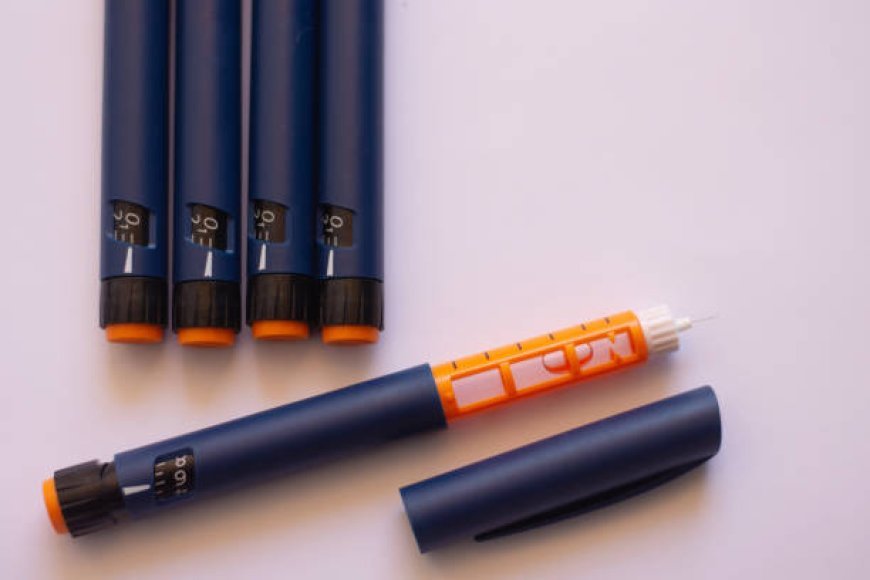
Diabetes management has evolved significantly with the introduction of connected medical technologies that improve treatment accuracy and patient convenience. Among these innovations, smart insulin pens are becoming an increasingly valuable solution by helping individuals record insulin doses, monitor treatment schedules, and reduce dosing errors through digital connectivity. As healthcare systems continue embracing connected care, these devices are playing a larger role in supporting both patients and healthcare professionals.
China is witnessing growing interest in digital diabetes management as the prevalence of diabetes continues to increase alongside healthcare modernization efforts. An analysis published by Markntel Advisor highlights that advancements in connected medical devices, combined with the country's focus on healthcare digitalization, are accelerating the adoption of connected insulin delivery technologies. Healthcare providers are also emphasizing patient-centered solutions that simplify long-term insulin therapy.
Unlike conventional insulin pens, smart insulin pens incorporate wireless technologies such as Bluetooth or smartphone integration to automatically record dosage information, injection timing, and treatment history. These capabilities reduce manual tracking while improving adherence to prescribed insulin regimens. Many modern systems also integrate with diabetes management applications, enabling patients to monitor treatment progress more effectively and share information with healthcare professionals when required.
Growing Diabetes Burden Is Driving Digital Solutions
The increasing number of people living with diabetes continues to encourage investment in advanced insulin delivery technologies. Rising urbanization, lifestyle-related health conditions, aging populations, and greater awareness of diabetes management are creating demand for devices that simplify daily treatment routines. Digital insulin delivery solutions help reduce missed doses while supporting more personalized disease management. According to the International Diabetes Federation, diabetes remains one of the world's fastest-growing chronic diseases, emphasizing the importance of innovative treatment technologies.
Technology Is Improving Patient Experience
Modern smart insulin pens extend beyond basic insulin administration. Many devices now synchronize with mobile applications, Continuous Glucose Monitoring (CGM) systems, and electronic health records to provide a more comprehensive overview of diabetes management. These integrated ecosystems enable patients to review historical insulin usage, receive reminders, and make informed decisions in consultation with healthcare providers. Such technological integration supports more efficient disease monitoring and encourages better long-term treatment adherence.
Government Support Encourages Healthcare Innovation
China's healthcare sector continues investing in digital transformation through initiatives supporting connected medical technologies and intelligent healthcare systems. Government programs encouraging the adoption of artificial intelligence, Internet of Things (IoT) technologies, and smart medical devices have created a favorable environment for innovation. These initiatives are expected to strengthen the development of connected diabetes care solutions while supporting broader healthcare modernization across hospitals and home-care settings.
Second-Generation Devices Are Enhancing Clinical Value
The latest generation of smart insulin pens offers improved functionality compared with earlier devices. Features such as automatic dose recording, injection reminders, mobile synchronization, and compatibility with glucose monitoring systems enhance usability for both patients and clinicians. These improvements reduce the possibility of forgotten injections and provide valuable treatment insights that can assist healthcare professionals in optimizing insulin therapy over time.
Challenges Remain Despite Strong Progress
Although adoption continues to grow, several challenges still influence the wider implementation of smart insulin pens. Device affordability, reimbursement policies, digital literacy among elderly patients, and integration with existing healthcare infrastructure remain important considerations. In addition, ensuring data privacy and interoperability between various healthcare platforms will be essential as connected medical devices become more widely used.
The Future of Connected Diabetes Management
Smart insulin pens represent an important step toward personalized and digitally connected diabetes care. As artificial intelligence, remote patient monitoring, and connected healthcare ecosystems continue advancing, these devices are expected to become increasingly intelligent and user-friendly. Their ability to combine accurate insulin delivery with real-time treatment insights positions them as a valuable component of modern diabetes management strategies. Continued collaboration among healthcare providers, technology developers, policymakers, and medical device manufacturers will further support innovation and improve patient outcomes in the years ahead.
What's Your Reaction?
 Like
0
Like
0
 Dislike
0
Dislike
0
 Love
0
Love
0
 Funny
0
Funny
0
 Angry
0
Angry
0
 Sad
0
Sad
0
 Wow
0
Wow
0