
























How to Choose the Right Couch Covers and Cushion Covers for a Stylish and Comfortable Home
Learn how to choose cotton and linen couch covers, white and striped cushion covers for a comfortable, stylish, and cohesive living room.

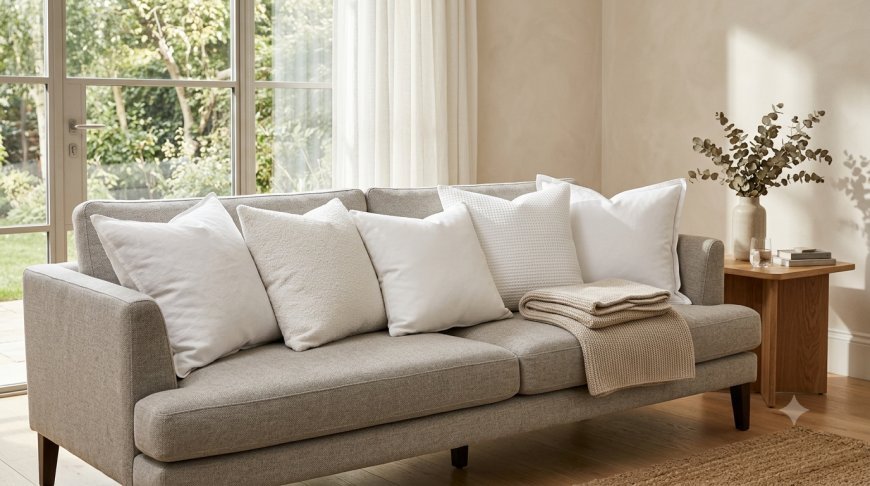
Couch covers and cushion covers play an important role in keeping a living room comfortable, practical, and visually appealing. Beyond protecting furniture from everyday dust, spills, and general wear, the right covers can completely refresh the appearance of a sofa without requiring a major change to the room.
Fabric choice is particularly important. Natural materials such as cotton and linen offer different combinations of softness, breathability, texture, durability, and visual appeal. Whether the goal is a relaxed family room, a minimalist apartment, or a classic living space, choosing the right sofa and cushion textiles can help create a more cohesive interior.
Why Couch Covers Are Important for Everyday Living
A sofa is often one of the most frequently used pieces of furniture in a home. Over time, regular use can lead to dust accumulation, stains, fading, and fabric wear. A well-fitted couch cover provides an additional layer of protection while also giving an older sofa a refreshed appearance.
Couch covers can also make seasonal decorating easier. A neutral cover can create a clean foundation, while different cushion covers can introduce new colors, patterns, and textures. This allows a living room to evolve without replacing the main furniture.
Washability is another practical consideration. Removable and washable sofa covers are particularly useful in homes where sofas experience frequent daily use. Instead of treating the entire sofa whenever a small spill occurs, a removable cover can often be cleaned according to its care instructions.
How to Choose a Cotton Couch Slipcover
A cotton couch slipcover can be a practical choice for homeowners who want a combination of comfort, versatility, and easy styling. Cotton is a familiar natural fiber that works well with a wide range of interior designs.
When selecting a cotton slipcover, consider the following factors:
Fabric Weight
Lightweight cotton can provide a relaxed and casual appearance, while heavier cotton fabrics can offer a more substantial feel and better structure. The appropriate weight depends on the sofa design and how frequently the cover will be used.
Fit and Sizing
Accurate measurements are essential. Measure the sofa's overall width, seat depth, back height, and arm dimensions where applicable. A cover that is too large may look untidy, while one that is too small can be difficult to install and may shift during use.
Color
Neutral shades such as beige, cream, gray, and natural tones are versatile choices. They can work as a foundation for colorful decorative cushions and can complement both contemporary and traditional interiors.
Maintenance
Check the care instructions before purchasing. Cotton covers may have specific washing and drying requirements, and following those instructions can help maintain the fabric's appearance and fit.
What Makes the Best Linen Couch Covers?
The best linen couch covers are not necessarily the most decorative ones. The right choice depends on the sofa, room, lifestyle, and desired aesthetic.
Linen is valued for its natural texture and relaxed appearance. Its slightly textured surface can add depth to an otherwise simple living room, making it particularly suitable for contemporary, coastal, rustic, Scandinavian, and minimalist interiors.
Comfort is another important consideration. Linen has a naturally breathable feel, which can be useful in living spaces where the sofa is used frequently.
Durability should also be considered. High-quality linen can be suitable for everyday home textiles when properly maintained. However, the fabric's natural character means that some wrinkling is normal. Rather than being a flaw, this relaxed texture is often part of linen's visual appeal.
Color matters as well. Natural linen shades create a warm, understated appearance, while deeper or more distinctive colors can make the sofa a stronger focal point.
Styling Your Sofa with White Cushion Covers
White cushion covers are a timeless option for creating a clean and bright living-room aesthetic. White works particularly well with neutral sofas because it provides subtle contrast without introducing a strong competing color.
White cushions can also help make a room feel visually lighter. They pair naturally with beige, gray, tan, navy, green, and other muted tones.
However, white requires thoughtful maintenance. Cushion covers that are removable and washable can make regular care easier. It is also useful to consider the environment in which they will be used. In a high-traffic household, textured or washable white textiles may be more practical than delicate decorative fabrics.
Rather than using only white throughout the room, combining white cushions with natural-toned or patterned pieces can create balance.
Adding Personality with Striped Cushion Covers
For rooms that need more visual interest, striped cushion covers can introduce pattern without overwhelming the furniture.
Stripes are versatile because their appearance can change depending on their width, direction, and color combination. Fine stripes can create a subtle decorative effect, while wider stripes can become a more noticeable feature.
A useful styling approach is to combine striped cushions with solid-colored cushions. For example, a neutral sofa can be paired with one or two striped cushions alongside plain cushions in complementary colors. This creates variety while maintaining visual harmony.
When combining multiple patterns, keeping a consistent color palette is usually more effective than choosing unrelated designs.
Cotton vs. Linen: Which Fabric Is Right for Your Sofa?
Both cotton and linen have qualities that make them useful for sofa and cushion textiles, but they create different visual and tactile effects.
Cotton tends to provide a familiar, comfortable feel and is available in many weights, colors, and finishes. It can be particularly suitable for casual and family-oriented spaces.
Linen, on the other hand, is known for its distinctive texture and relaxed appearance. It can give a sofa a more natural, refined, or understated character.
The decision should therefore be based on more than appearance. Consider how often the sofa is used, the amount of maintenance required, the desired texture, and the overall interior design.
For cushions, mixing the two fabrics can also work well. A cotton cushion can provide softness while a linen cushion adds texture and visual depth.
How to Match Couch Covers and Cushion Covers with Your Interior
A cohesive living room does not require every textile to match exactly. Instead, colors, textures, and patterns should relate to one another.
For a minimalist interior, neutral cotton or linen couch covers combined with simple cushions can maintain a clean appearance.
For a coastal-inspired room, natural linen tones, soft blues, whites, and subtle stripes can create a relaxed atmosphere.
For a traditional interior, richer colors and classic patterns can complement structured furniture.
For a modern space, a neutral sofa cover combined with geometric or striped cushions can introduce personality without creating visual clutter.
The key is to establish a base color and then introduce one or two supporting shades. Too many unrelated patterns can make a small living room feel busy.
Tips for Maintaining Cotton and Linen Couch Covers
Proper care can help extend the useful life of sofa and cushion covers.
- Always check the manufacturer's washing instructions before cleaning.
- Remove dust and loose debris regularly.
- Treat spills promptly rather than allowing stains to set.
- Avoid harsh cleaning products unless they are specifically recommended for the fabric.
- Follow the recommended water temperature and drying method.
- Avoid excessive heat when drying fabrics that may shrink.
- Rotate cushions periodically to encourage more even wear.
- Store spare covers in a clean, dry location.
For linen, some wrinkling is natural and contributes to its relaxed appearance. Cotton may also change slightly after repeated washing, so proper care is particularly important for maintaining fit.
Choosing Quality Home Textiles for a Comfortable Living Space
Good home textiles should balance appearance with everyday practicality. Before purchasing couch or cushion covers, consider the fabric composition, stitching, dimensions, care requirements, and intended use.
Natural-fabric collections can be especially useful when creating a layered living-room look. Home-textile resources such as All Cotton and Linen can be explored when looking for cotton and linen products that complement different areas of the home.
The most effective approach is to choose pieces that work together rather than selecting every item independently. A neutral couch cover, textured cushions, and one carefully chosen patterned accent can often create more impact than a room filled with competing prints.
Final Thoughts
Choosing the right couch covers and cushion covers is about finding a balance between protection, comfort, maintenance, and personal style. Cotton can provide a versatile and practical foundation, while linen adds natural texture and a relaxed character.
A well-selected couch cover can refresh existing furniture, while cushions offer an easy way to introduce color and pattern. White cushion covers can create a timeless foundation, whereas striped cushion covers can bring additional personality. Ultimately, the best combination is one that suits the furniture, lifestyle, and overall character of the living space.
What's Your Reaction?
 Like
0
Like
0
 Dislike
0
Dislike
0
 Love
0
Love
0
 Funny
0
Funny
0
 Angry
0
Angry
0
 Sad
0
Sad
0
 Wow
0
Wow
0