

























Electrical Panel Upgrade in Toronto: When Your Home Needs More Electrical Capacity
Modern homes depend on electricity for almost everything, from everyday appliances to heating systems, home offices, and electric vehicle chargers. However, an older electrical panel may not have sufficient capacity to support changing household needs. An electrical panel upgrade can help Toronto homeowners prepare for additional electrical demands while addressing outdated or unsuitable equipment.
Understanding when an upgrade is necessary, what the process involves, and how to plan it properly can help you make informed decisions about your home's electrical system.
Why Electrical Panel Capacity Matters in Toronto Homes
Toronto has a diverse mix of residential properties, including older detached houses, renovated homes, and newer developments. Their electrical systems can differ considerably depending on the building's age, previous renovations, and installed equipment.
The electrical panel distributes power to circuits throughout your home. Its capacity determines how much electrical demand the system can accommodate, while circuit breakers provide protection against certain electrical faults.
As households add appliances, air conditioning, electric heating equipment, or EV chargers, their electrical requirements may change.
A professional electrical assessment can determine whether the existing system has sufficient capacity or whether an upgrade is appropriate.
Signs Your Home May Need an Electrical Panel Upgrade
Electrical panels do not necessarily require replacement simply because they are older. However, certain conditions indicate that professional evaluation is worthwhile.
Frequent Circuit Breaker Trips
Breakers that repeatedly trip may indicate overloaded circuits, faulty equipment, or electrical problems requiring attention.
While a panel upgrade may sometimes be recommended, the underlying cause should be identified before any replacement work begins.
Limited Space for Additional Circuits
Homeowners planning kitchen renovations, basement improvements, or new electrical equipment may discover that their existing panel lacks room for additional circuits.
An electrician can assess whether a larger panel, subpanel, or electrical service upgrade is suitable.
Outdated or Deteriorating Equipment
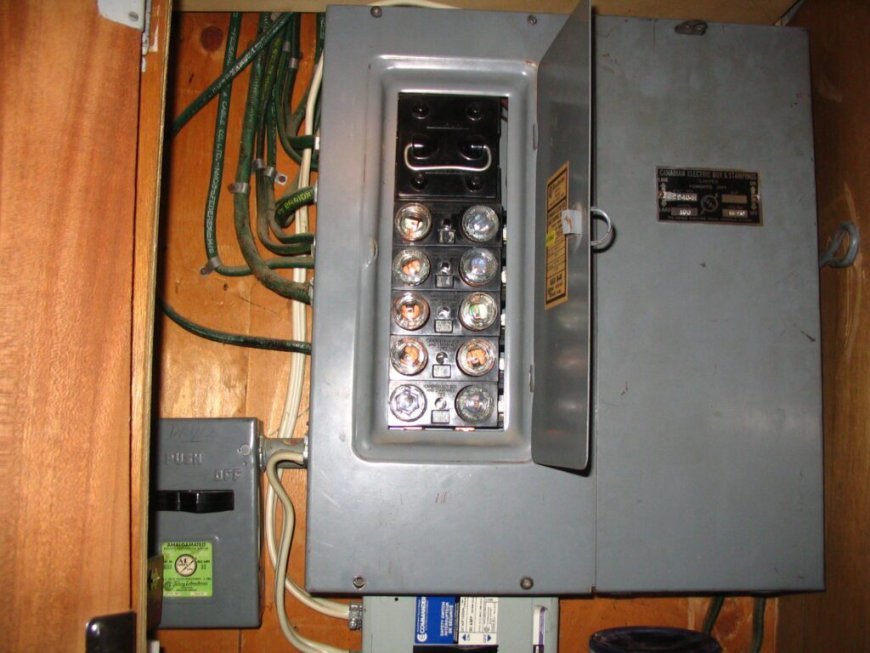
Older fuse panels, damaged components, corrosion, or signs of overheating deserve professional attention.
If you notice burning smells, unusual buzzing, scorch marks, or excessive heat near your panel, contact a qualified electrical professional promptly. Do not attempt to inspect or repair internal components yourself.
Plans for Higher-Demand Equipment
Installing an EV charger, heat pump, electric range, or other substantial electrical load may require an assessment of available capacity.
Not every installation requires a larger electrical service. The appropriate solution depends on a proper load calculation and the existing system.
Understanding the Electrical Panel Upgrade Process
A panel upgrade involves more than replacing a metal enclosure. The work must account for electrical capacity, existing wiring, equipment compatibility, and applicable safety requirements.
Step 1: Electrical System Assessment
A qualified electrical contractor evaluates the current panel, service capacity, existing circuits, and anticipated electrical demands.
This assessment helps establish whether the project requires panel replacement, increased service capacity, or another solution.
Step 2: Selecting Appropriate Equipment
The contractor determines suitable panel equipment and capacity based on the property's electrical requirements.
For some homes, a 100-amp to 200-amp service upgrade may be considered. However, 200 amps is not automatically necessary or appropriate for every property.
Step 3: Notifications and Utility Coordination
In Ontario, electrical panel upgrades generally require a notification of work to the Electrical Safety Authority (ESA).
Where the project involves service disconnection or reconnection, coordination with the relevant electricity distributor is also necessary.
Step 4: Installation and Inspection
The contractor completes the approved electrical work, checks the installation, and coordinates the required ESA review or inspection process.
Homeowners should retain applicable inspection and acceptance documentation for future reference.
Ontario Electrical Safety Requirements Homeowners Should Know
Electrical work in Toronto is governed by the Ontario Electrical Safety Code and overseen by the Electrical Safety Authority.
When hiring someone to perform electrical work, Ontario homeowners must use a Licensed Electrical Contractor. The contractor is responsible for filing the applicable ESA notification and arranging the required inspection process.
These requirements help establish that electrical modifications are completed and reviewed according to applicable standards.
Before hiring a contractor, homeowners should verify licensing and ask how notifications, utility coordination, and inspection documentation will be handled.
Planning Electrical Improvements Across the Greater Toronto Area
Electrical capacity planning is relevant beyond central Toronto.
Homeowners in Etobicoke may be evaluating electrical systems during renovations to established residential properties. In Markham, adding EV charging equipment or new household appliances can prompt a capacity assessment.
Similarly, property owners in Burlington may need to review their electrical systems before undertaking major renovations or adding higher-demand equipment.
Regardless of location, the decision should be based on the property's actual electrical condition and future requirements rather than assumptions about building age.
Finding Electrical Panel Upgrade Services in Toronto
Choosing an electrical contractor involves evaluating technical suitability, safety requirements, and the proposed scope of work.
Langstaff & Sloan Inc. offers electrical panel upgrade services for homeowners exploring improvements to their electrical systems.
Toronto property owners considering a panel replacement or capacity increase can review the company's electrical panel upgrade services in Toronto to learn more about the service and discuss their requirements.
Before proceeding, request an assessment that considers existing electrical loads, planned additions, equipment requirements, and applicable Ontario safety procedures.
Prepare Your Toronto Home for Changing Electrical Needs
A properly planned electrical panel upgrade can support future improvements, accommodate additional electrical loads where appropriate, and address equipment that no longer meets a home's needs.
Whether you are renovating an older property or preparing for new electrical appliances, professional evaluation is the most reliable starting point.
Contact Langstaff & Sloan Inc. to discuss your electrical panel upgrade requirements in Toronto and confirm service availability for properties in Etobicoke, Markham, and Burlington.
What's Your Reaction?
 Like
0
Like
0
 Dislike
0
Dislike
0
 Love
0
Love
0
 Funny
0
Funny
0
 Angry
0
Angry
0
 Sad
0
Sad
0
 Wow
0
Wow
0