























From Sea to Sky Trails to the Table: Why Vancouver Athletes Swear by Deep Tissue Massage

Introduction
Vancouver is a city defined by its breathtaking geography. From the rugged peaks of the North Shore mountains to the coastal stretches of the seawall, residents live an active, outdoor-driven lifestyle. Whether scaling the Grouse Grind, cycling across Stanley Park, or training for a half-marathon, local athletes demand a lot from their bodies. However, intense physical exertion often leads to muscular strain, knotting, and lactic acid buildup. To maintain peak performance, many of these athletes incorporate a targeted deep tissue massage in Vancouver regimen into their routine. Proper recovery is just as vital as the training itself, and understanding how specialized soft tissue therapy accelerates healing can transform your athletic journey.
The Physical Demands of the Vancouver Lifestyle
Living in the Pacific Northwest inspires a unique level of fitness dedication. Weekends are frequently spent hiking technical trails, trail running through Pacific Spirit Regional Park, or touring local waters on paddleboards. While these activities build incredible endurance, they also test the structural integrity of muscles, tendons, and fascia.
When muscles undergo repetitive motion or high-impact stress under heavy loads, microscopic tears occur within the muscle fibers. As the body repairs these micro-tears, scar tissue or fascial adhesions can form. Left untreated, these restrictions limit range of motion, reduce athletic output, and increase the likelihood of chronic injury. This is where clinical soft tissue interventions become essential for everyday endurance enthusiasts and professional competitors alike.
Understanding Deep Tissue Work and Its Mechanics
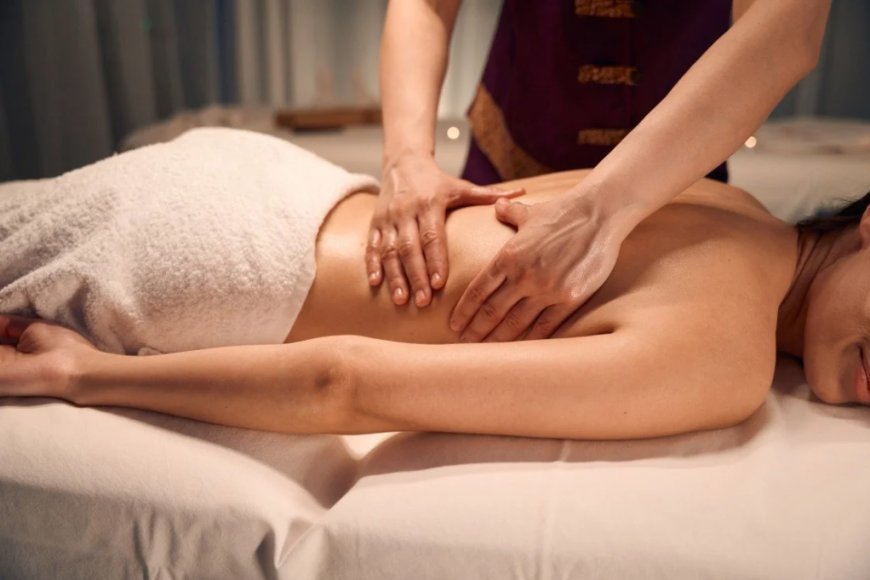
Unlike a light relaxation session meant solely for unwinding the nervous system, a focused deep tissue massage Vancouver treatment targets the deeper layers of muscle tissue, tendons, and surrounding fascia. Registered Massage Therapists (RMTs) use deliberate, slow strokes and direct, heavy pressure to break down stubborn adhesion networks and scar tissue.
Key Physiological Benefits for Active Bodies
-
Realignment of Muscle Layers: Helps release chronic tension patterns trapped deep within postural and locomotive muscles.
-
Enhanced Circulation: Stimulates blood and lymphatic flow, speeding up oxygen delivery and the removal of metabolic waste products like lactic acid.
-
Restored Flexibility: Lengthens shortened muscles and loosens tight fascia, allowing joints to move through a full, uninhibited range of motion.
-
Pain Reduction: Decreases inflammation around injured or overworked joints and alleviates nerve compression caused by tight surrounding musculature.
From the Trail to Recovery: Why Athletes Swear By It
For athletes tackling the demanding terrains of British Columbia, recovery is a strategic necessity. Incorporating a reliable deep tissue massage Vancouver session helps bridge the gap between intense exertion and optimal tissue remodeling.
Consider a trail runner descending from Cypress Mountain. The eccentric contraction required by the quadriceps during steep downfalls causes intense muscle breakdown. Without proper manual intervention, residual tightness can alter biomechanics, leading to overuse injuries like patellofemoral pain syndrome or IT band friction syndrome. By addressing these localized trigger points and deep-seated tightness proactively, athletes can drastically shorten their downtime and return to their training schedules with renewed strength and stability.
Integrating Recovery into Your Routine
Consistency is key when utilizing advanced bodywork for athletic maintenance. Many competitors schedule regular appointments during heavy training blocks rather than waiting for an injury to happen. By maintaining supple tissue health, athletes report improved endurance, better posture, and a vastly reduced risk of acute strains during competition.
Frequently Asked Questions
1. How often should an active athlete get a deep tissue massage Vancouver treatment?
The frequency depends entirely on your training volume and intensity. During peak training blocks, many athletes visit an RMT every two to three weeks, while others prefer monthly maintenance sessions to keep chronic tension at bay.
2. Is deep tissue work supposed to be painful?
While some discomfort or intense pressure can occur when working through stubborn adhesions, it should never be agonizing or sharp. Open communication with your therapist is crucial to ensure the pressure remains therapeutic and effective.
3. Can I work out immediately after a deep tissue session?
It is generally recommended to avoid strenuous, high-impact workouts immediately following a deep tissue massage Vancouver appointment. Giving your body a few hours to rest, rehydrate, and integrate the treatment allows the muscles to recover properly.
Conclusion
Whether your passion lies in scaling alpine trails or pushing your limits on local cycling routes, your body requires dedicated care to perform at its best. Embracing a consistent deep tissue massage Vancouver routine offers the structural support and muscular relief necessary to stay active year-round. By prioritizing proactive recovery, you protect your physical longevity and ensure you are always ready for your next great adventure.
What's Your Reaction?
 Like
0
 Dislike
0
 Love
0
 Funny
0
 Angry
0
 Sad
0
 Wow
0